
 0
0

 English
 Español
 中文简体
中文简体 عربى
عربى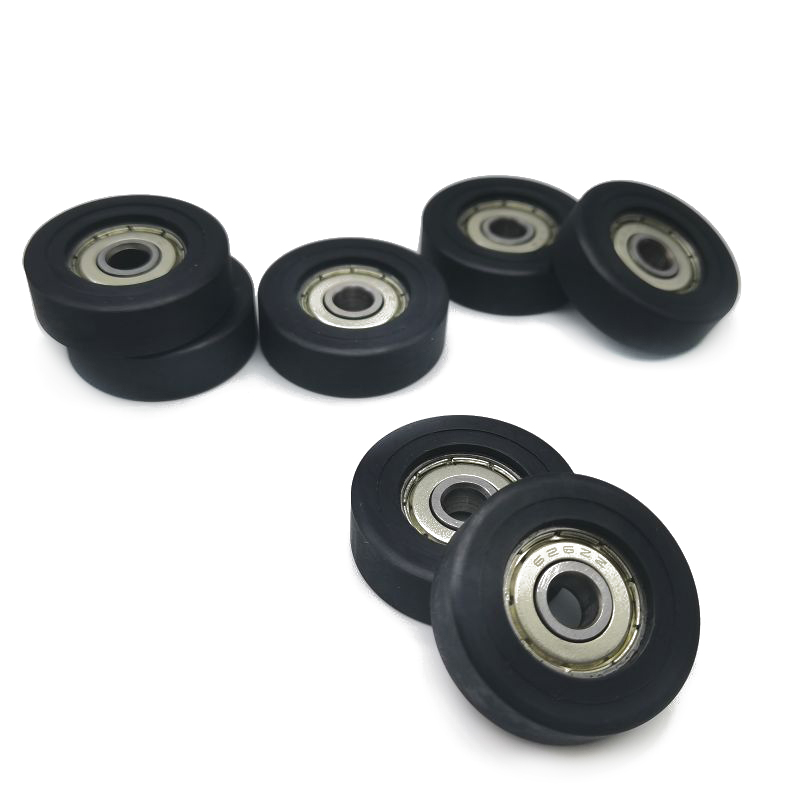
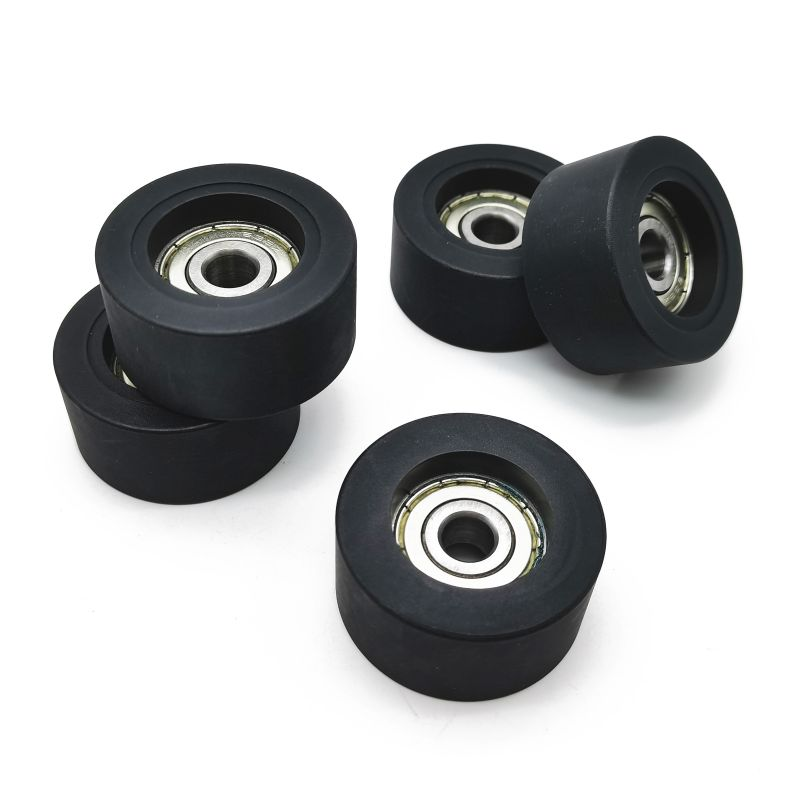
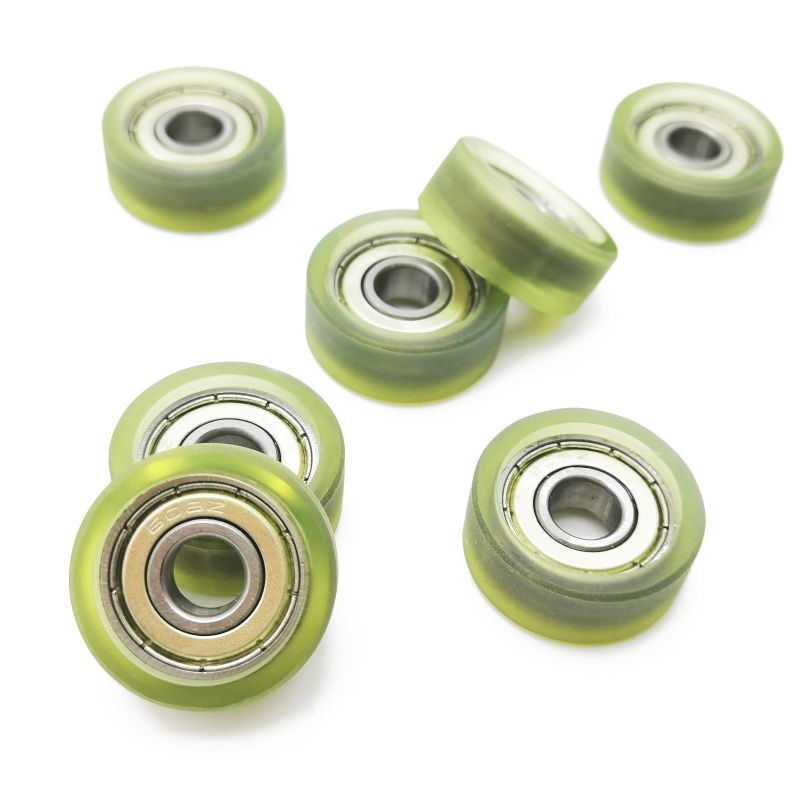
.01 Comprehensive Customization:
We provide full-process customization services from product design, material selection, sample making to mass production to meet customers' special specifications and functional requirements.

Comprehensive technical reference for continuous lateral guide contact applications.
Track and rail-guided systems where continuous lateral contact drives wear.
Heavy sliding security and factory gates use guide wheels to maintain lateral track position through thousands of open-close cycles.
Bridge crane and hoist trolley systems use guide wheels to maintain lateral rail tracking while the crane bridge traverses its span.
AS/RS shuttle and carriage systems use precision guide wheels to maintain accurate rail tracking for reliable automated positioning.
Elevator car and counterweight guide assemblies use polyurethane guide wheels for smooth, quiet lateral rail tracking during vertical travel.
Track-guided amusement rides use wear resistant guide wheels to maintain safe, accurate lateral tracking under continuous public-use duty cycles.
Very narrow aisle forklifts and rack-guided vehicles use guide wheels to maintain precise lateral positioning within guide rail channels.
Flank wear resistance meets sustained tracking accuracy.
Specialized polyurethane chemistry resists the continuous sliding and scuffing wear pattern specific to lateral guide contact rather than compressive loading.
Wear-resistant flank surfaces maintain accurate lateral guide contact longer, delaying the excessive play that causes off-track running.
Internal bearing core is properly rated for the combined loading direction typical of guide wheel service, avoiding premature bearing wear.
Wheel profile precisely matched to your track cross-section minimizes edge contact stress and maximizes even wear distribution.
Global logistics for wear Resistant Polyurethane Guide Wheels orders.
T/T (Wire Transfer): 30% deposit, 70% upon shipment.
L/C at Sight: Accepted for orders exceeding 5,000 pieces.
Open Account: Available for long-term OEM customers.
Sea Freight: FCL/LCL from Shanghai or Ningbo for bulk orders.
Air Express: DHL/FedEx for urgent samples and small batches.
Standard Profile Sizes: 15 – 25 days.
Custom Track Profile Match: 25 – 35 days.
High-Durometer Heavy Duty: 20 – 30 days.
Expert answers about wear Resistant Polyurethane Guide Wheels.
A: Guide wheels primarily resist lateral (sideways) contact against a track or rail to maintain positioning, experiencing sliding and scuffing wear at the contact flank. Load-bearing wheels primarily support vertical weight while rolling forward, experiencing compressive tread wear instead. The two wear mechanisms require different polyurethane formulations optimized for each.
A: Flanged profiles work well for rail systems where positive lateral containment is needed, crowned profiles suit applications needing self-centering tendency, and flat profiles suit simple guide channel applications. We recommend profile matching based on your specific track cross-section drawing or sample.
A: Service life varies significantly with guide contact frequency and lateral load magnitude, but the high cross-link density formulation typically extends flank wear life by 40-60% compared to standard-formulation polyurethane wheels in equivalent guide-contact service.
A: Yes, many applications like overhead crane trolleys use guide wheels that both support some vertical load and provide lateral tracking; we can engineer the bearing selection and profile to properly account for this combined loading condition.
A: A higher cross-link density in the polymer chemistry increases surface hardness retention and reduces the material's tendency to smear or gall under continuous sliding friction, at a modest trade-off in impact absorption compared to standard compressive-load-optimized formulations.
A: We analyze the expected lateral guide contact force relative to the wheel's normal rolling load to calculate the thrust load component, then select or specify an internal bearing configuration rated for that combined loading direction rather than radial load alone.
A: Yes, we can measure a worn sample and reconstruct the original as-manufactured profile geometry, accounting for wear patterns, to produce a properly matched replacement wheel.
A: 85A-90A is typically recommended for high-frequency, lower-lateral-load applications like elevator guide rails, prioritizing quiet operation and smooth tracking, while 92A-95A suits heavier lateral load applications like industrial sliding gates.
A: Standard MOQ is 100 pieces for stocked profile and diameter combinations. Custom track profile matching requires a minimum order of 300 pieces due to tooling setup.
A: Yes, we can reverse-engineer wheel profile, bore, and bearing configuration from a sample wheel or manufacturer drawing for compatible replacement parts.
A: Yes, guide wheels can be supplied with integrated axle stubs, mounting brackets, or as bare wheel-and-bearing assemblies depending on your installation requirements.
A: Custom wheel profile molds typically require 15-20 days for tooling fabrication in addition to standard production lead time for the first custom order.
Key specifications and ordering details.
| MOQ | 100 Pieces (Custom: 300) |
| Lead Time | 15 – 35 Days |
| Packaging | Bulk Carton / Individual Wrap |
| Certifications | ISO 9001 |
| Materials | High Cross-Link Polyurethane, Steel Hub |
| Customization | Profile, Durometer, Bearing Rating |
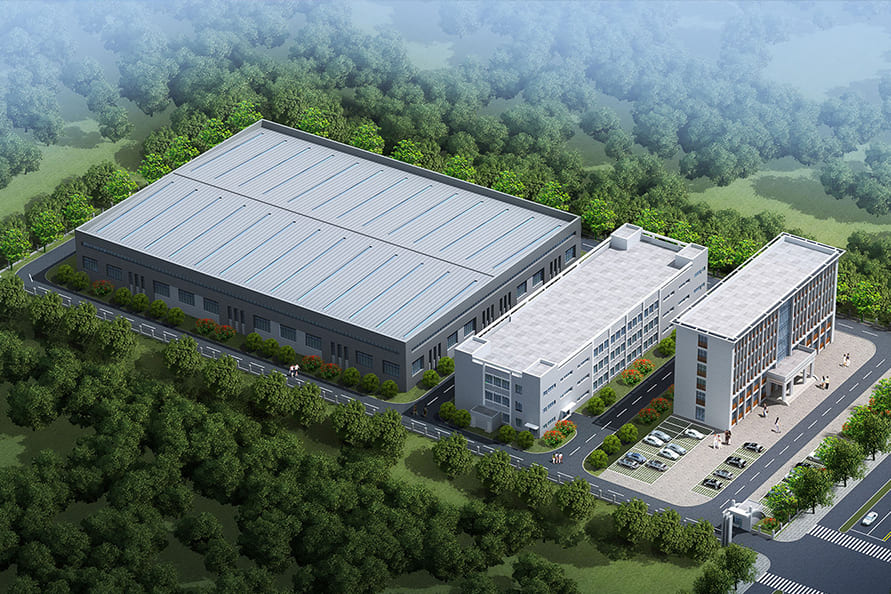
10 YEARS INDUSTRY EXPERIENCE
8700m² advanced factory
15 high-tech professionals
Annual production: 2.4 million sets
Rigorous quality protocols ensure flank wear resistance and tracking accuracy.
Material samples are tested to confirm the formulation achieves the specified cross-link density for optimal sliding-contact wear resistance.
Optical comparator measurement confirms wheel profile matches the specified track cross-section within tolerance before shipment.
Internal bearing configuration is verified against the calculated combined radial/thrust load rating for the intended guide application.
Comprehensive testing protocols for guide wheel validation.
Sample wheels undergo simulated continuous lateral sliding contact testing to quantify flank wear rate and validate service life estimates.
Optical measurement confirms wheel profile geometry matches the specified track or rail cross-section within tolerance.
Bearing core is tested under simulated combined loading representative of actual guide contact conditions to confirm rated capacity.
Shore A durometer testing confirms tread hardness falls within specification for consistent wear and load performance.
Friction testing under simulated guide contact confirms rolling resistance and lateral friction meet application requirements.
Wheels are tested in a simulated track system to confirm consistent lateral positioning accuracy is maintained through the wear-life cycle.
Understand when sliding-contact optimized formulation is necessary versus standard load-bearing wheels.
| Feature | Standard Load-Bearing Polyurethane Wheel | Wear Resistant Guide Wheel (Our Grade) |
|---|---|---|
| Wear Mechanism Optimization | Compressive Load Wear | Sliding / Scuffing Wear |
| Cross-Link Density | Standard Formulation | High Cross-Link Density |
| Bearing Load Rating | Radial-Focused | Combined Radial/Thrust Rated |
| Best Application | Vertical Load Rolling | Lateral Track/Rail Guidance |
| Flank Wear Life | Standard | 40-60% Extended |
| Cost Multiplier | 1.0x (baseline) | 1.20-1.40x |

We provide full-process customization services from product design, material selection, sample making to mass production to meet customers' special specifications and functional requirements.

With an advanced production base of 8,700 square meters and rich technical experience, we are able to respond quickly to customer needs, whether it is small batch customization or large-scale mass production.

We strictly follow the GB/T 19001-2016/ISO9001:2015 quality management system. Each customized product undergoes strict quality inspection to ensure that it meets the high standards of customers.

Our internal technical team consists of experienced engineers and designers who can provide professional technical support to help you optimize product design and improve production efficiency.

We have a stable supply chain and sales network around the world to ensure that your products can enter the market quickly and receive timely after-sales service.
Wear resistant polyurethane guide wheels can be engineered in profile geometry, durometer, and bearing configuration to match your specific track or rail guidance system. We provide full engineering support from profile matching through wear-life validation.
Products
CONTACT Us
Mobile Site
Copyright© Zhejiang Yingfei Biotechnology Co., Ltd. All Rights Reserved
 Wholesale Wear Resistant Polyurethane Guide Wheels Manufacturers