
 0
0

 English
 Español
 中文简体
中文简体 عربى
عربى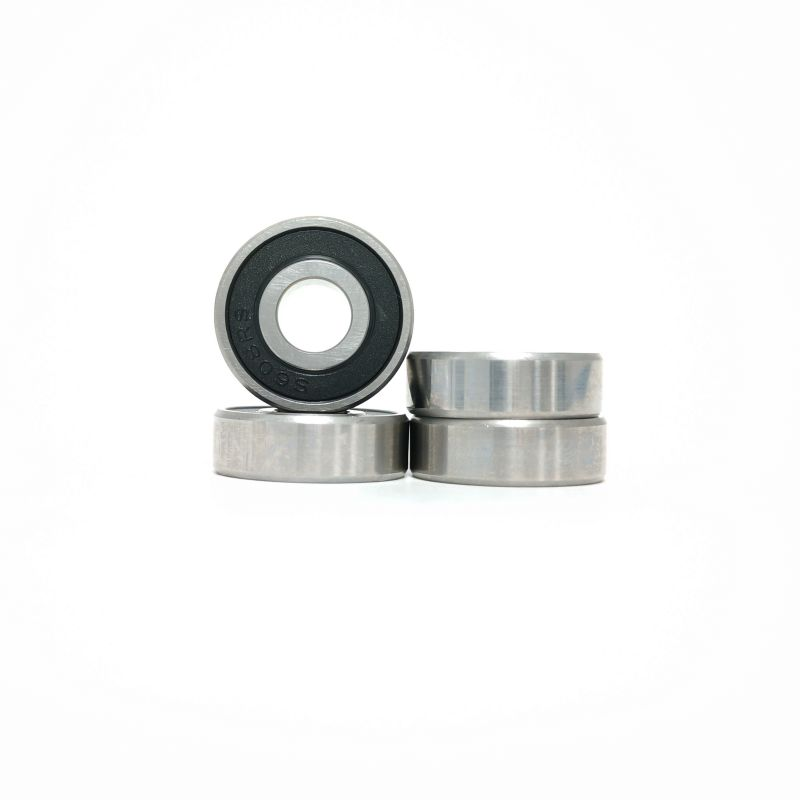
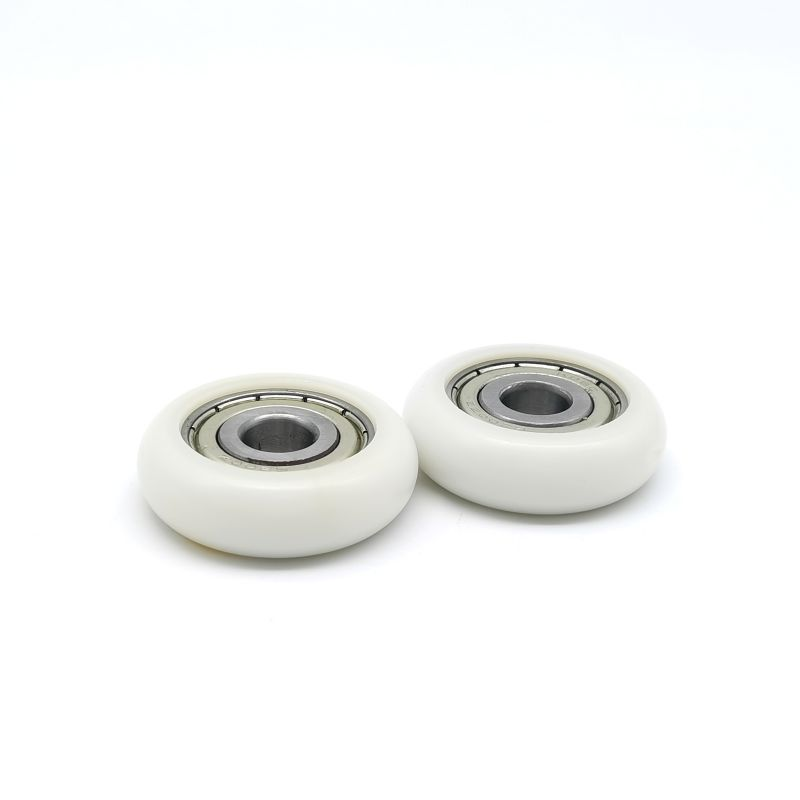
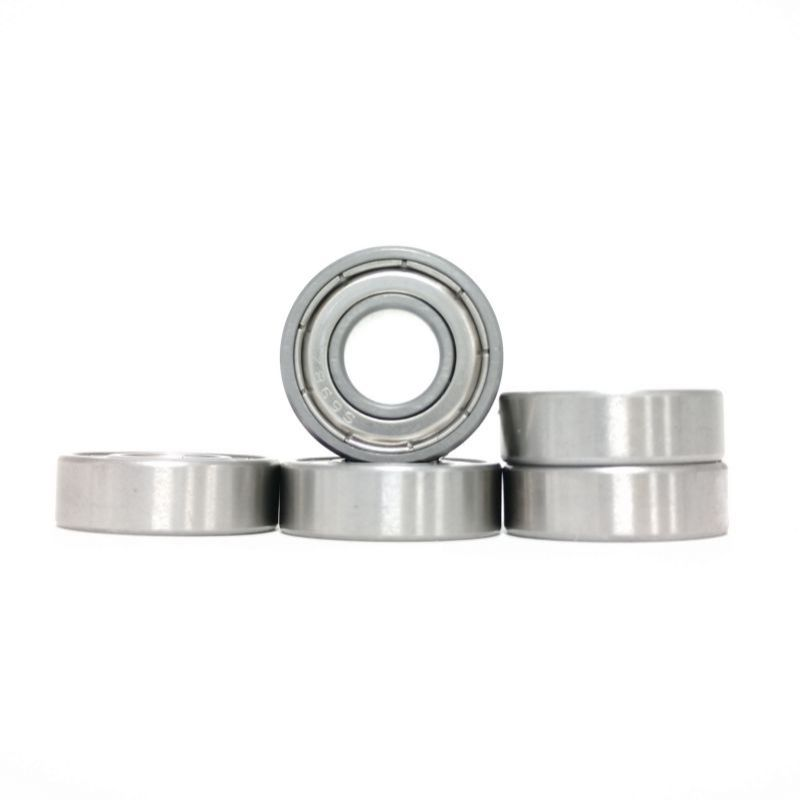
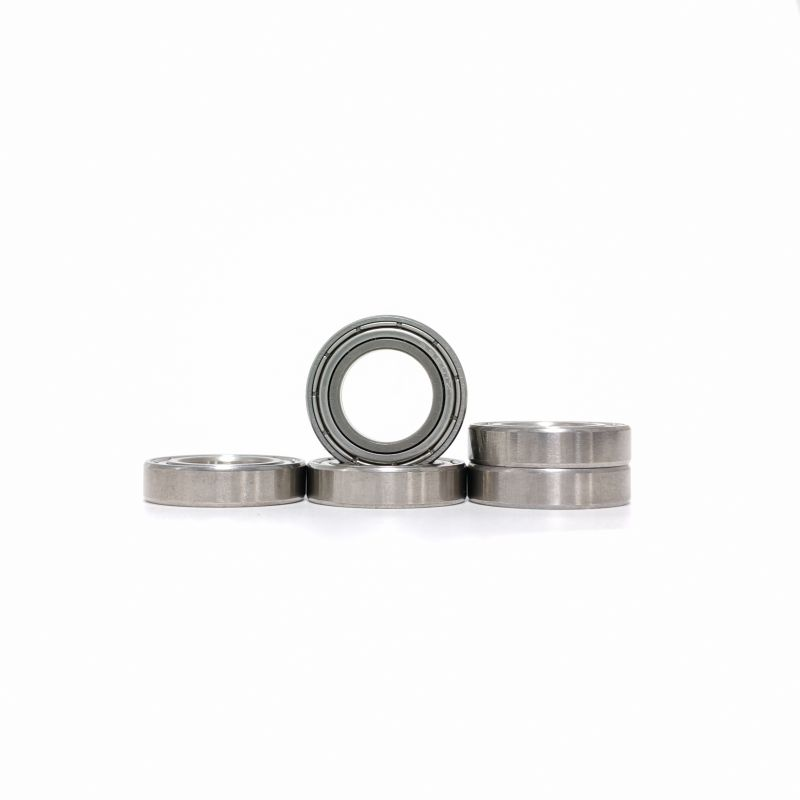
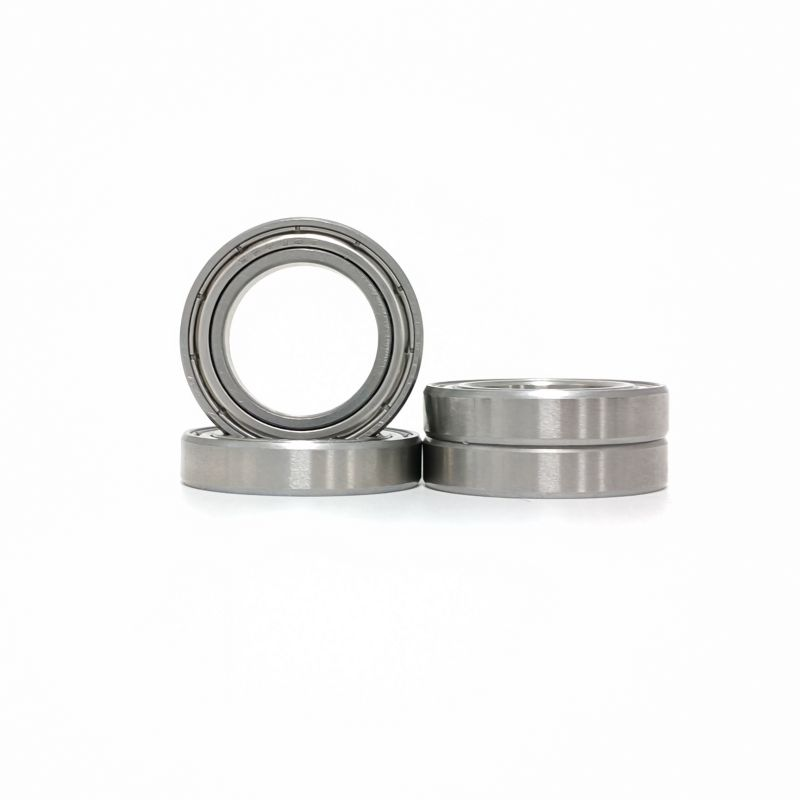
.01 Comprehensive Customization:
We provide full-process customization services from product design, material selection, sample making to mass production to meet customers' special specifications and functional requirements.

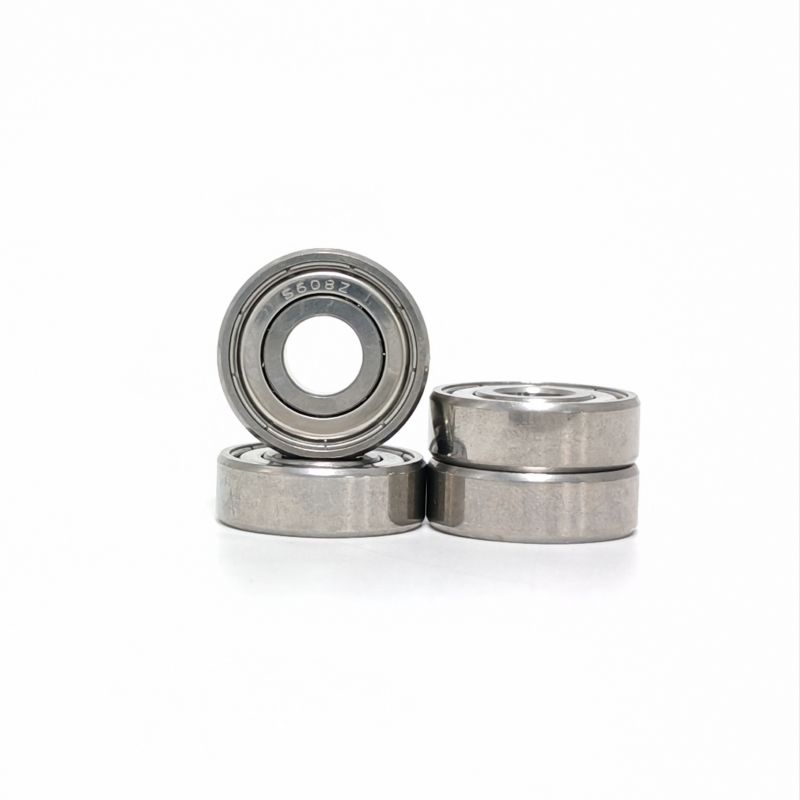
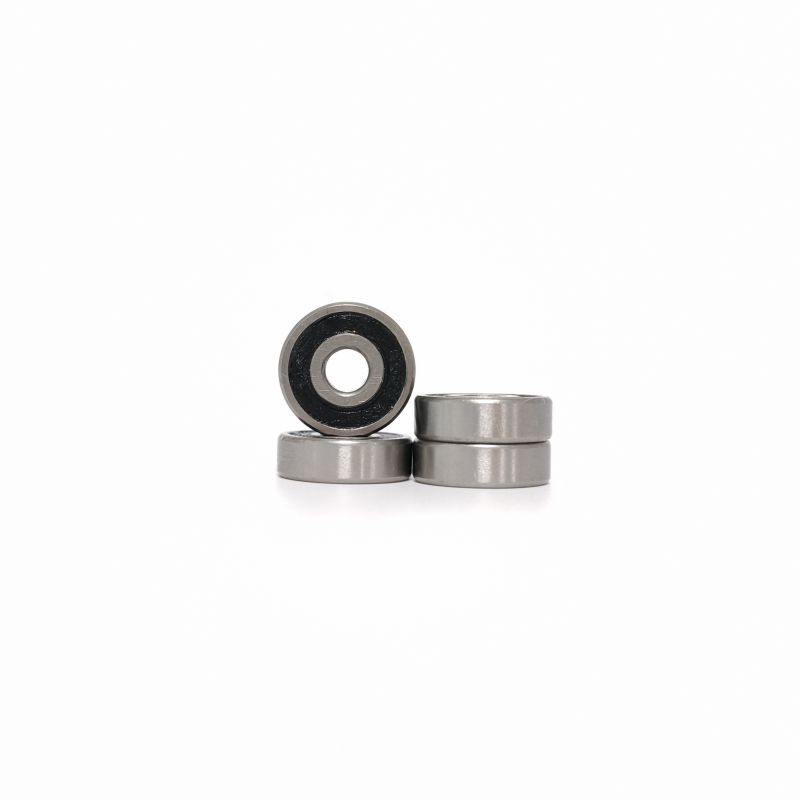
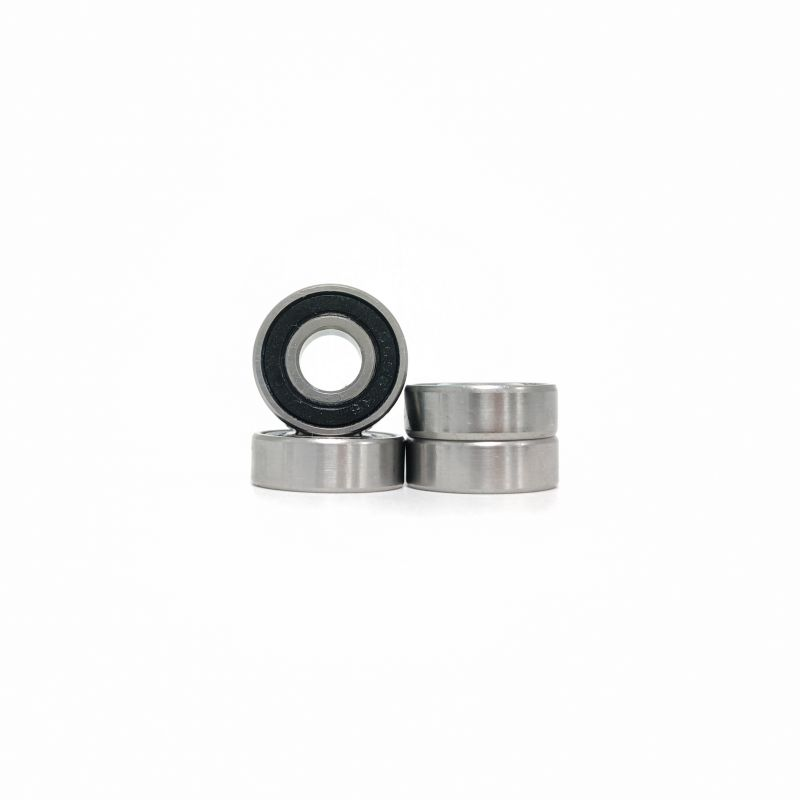
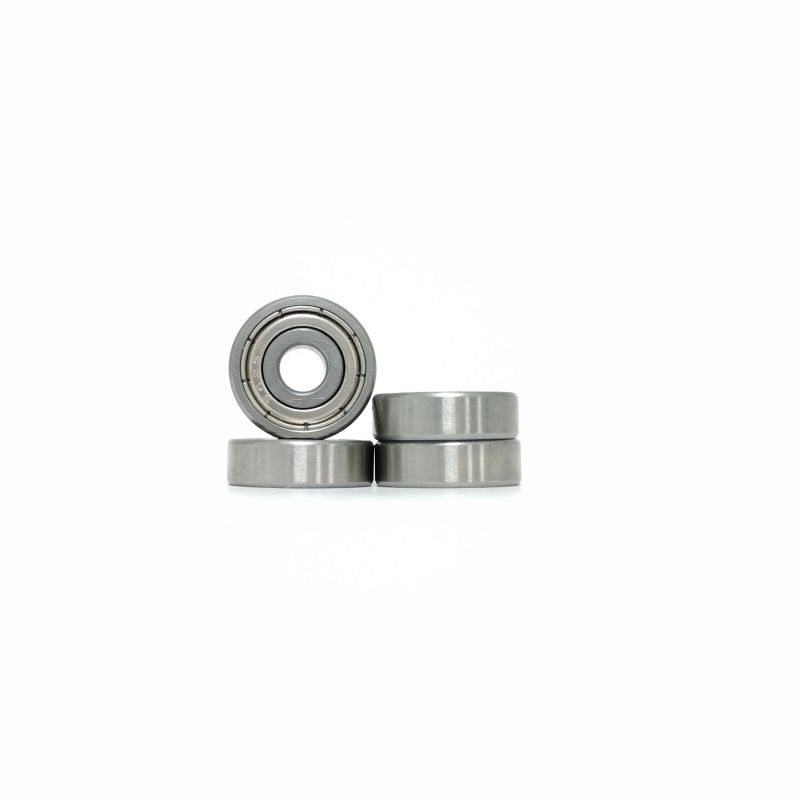
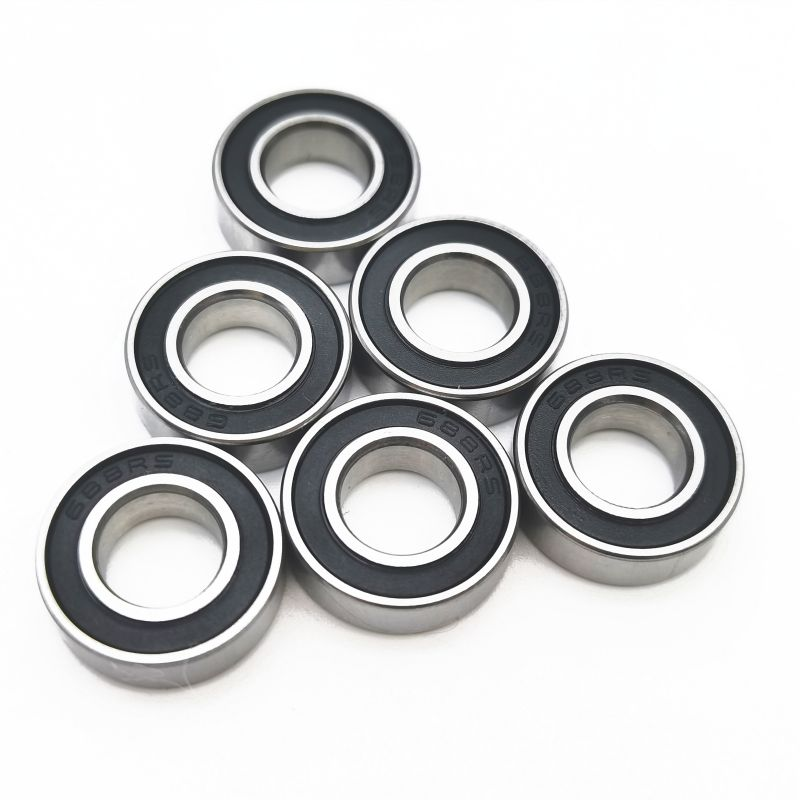
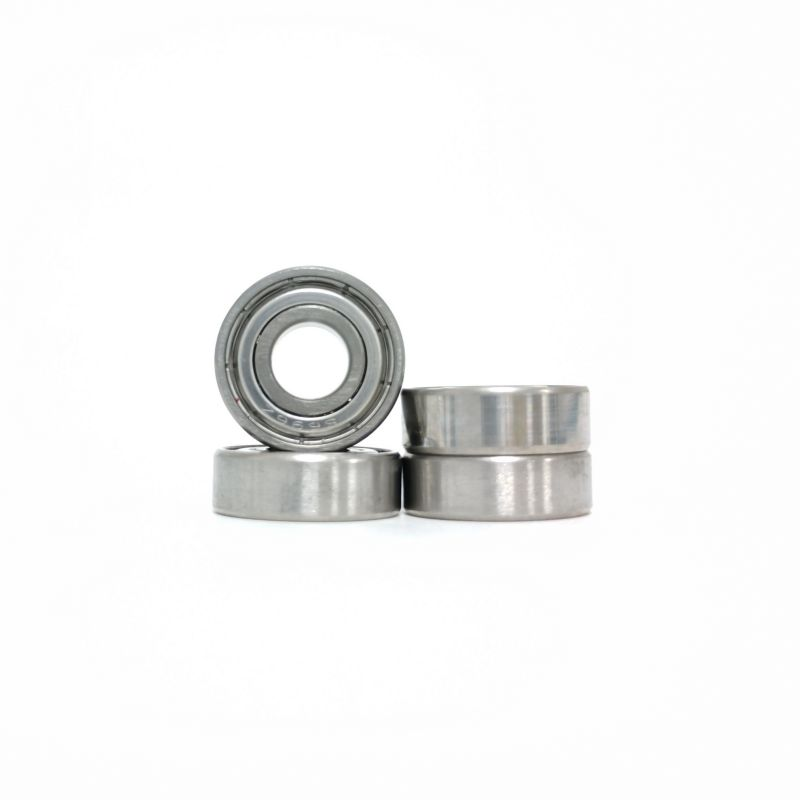
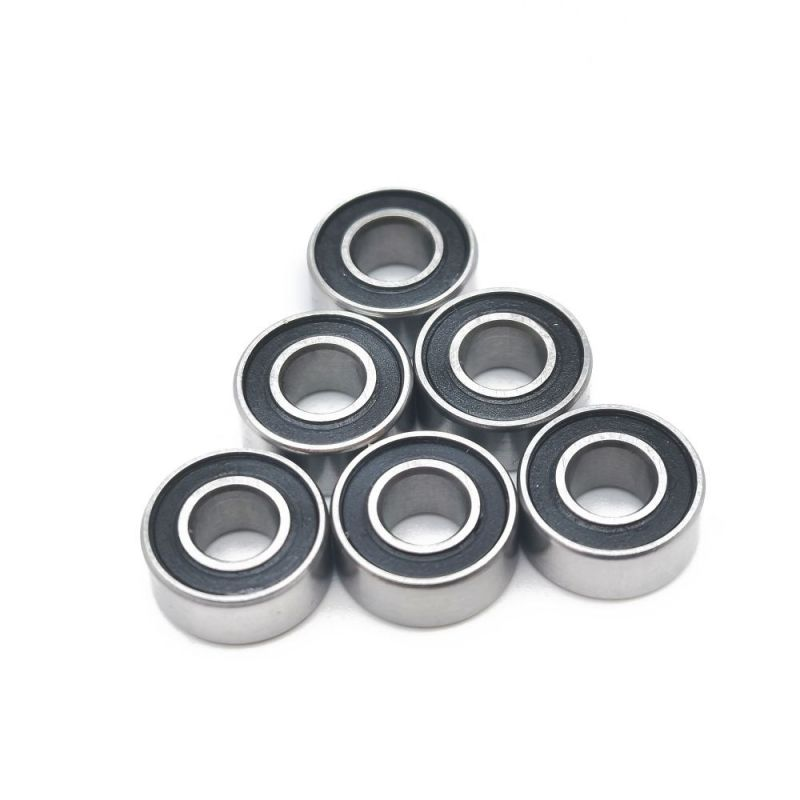
Engineered for sustained operation in extreme temperature environments up to 300°C+, these heat-resistant stainless steel bearings maintain structural integrity and precision performance where conventional bearings would fail catastrophically. Perfect for furnace equipment, petrochemical reactors, glass processing, and industrial heat treatment applications requiring temperature resilience.
Heat-resistant stainless steel bearings operate in environments where material science becomes the limiting factor in equipment reliability. Industrial furnaces, ceramic kilns, petrochemical reactors, and glass processing equipment generate temperatures that exceed the thermal tolerance of conventional steel bearings by 200-250 degrees Celsius. At these extreme temperatures, ordinary bearing races lose hardness, seals degrade, lubricants decompose into corrosive residues, and bearing balls undergo thermal expansion that causes catastrophic internal jamming. Our heat-resistant stainless steel bearings are specifically engineered to maintain mechanical performance, dimensional stability, and precision ratings even when operating in thermal environments that would render standard bearings non-functional within minutes.
Heat resistance demands fundamental material science innovation that extends far beyond conventional stainless steel selection. We utilize specialized AISI 440C martensitic stainless steel that has been precision-selected for exceptional thermal stability and creep resistance at elevated temperatures. The material undergoes advanced vacuum heat treatment in proprietary furnaces that eliminate oxidation during hardening while ensuring uniform hardness distribution (HRC 58-62) that remains stable during thermal cycling. Advanced metallurgical analysis confirms that precipitation resistance—the tendency of material to lose hardness as atomic structures reorganize during sustained heating—meets strict specifications for 300°C+ operation.
Thermal expansion poses unique challenges in bearing design at extreme temperatures. Standard bearings typically experience 0.10-0.15% dimensional change per 100°C of temperature rise. Our heat-resistant bearings utilize AISI 440C with precisely matched thermal expansion characteristics to stainless steel rolling elements, ensuring that bearing internal clearance remains optimal throughout thermal cycling from ambient to 300°C and back to ambient. Advanced thermal modeling predicts clearance changes at each operating temperature, enabling us to specify initial clearances that maintain perfect rolling element engagement throughout the entire operating temperature range without internal slip or excessive contact stress.
Lubrication at extreme temperatures is an entirely different engineering discipline. Conventional mineral oil grease begins decomposing above 120°C, releasing corrosive residues that accelerate bearing wear. Our heat-resistant bearings employ specially formulated synthetic PAO grease with ultra-high molecular weight polymers and advanced anti-oxidant packages rated to 300°C. This grease maintains viscosity stability across the entire thermal range while providing protective film formation on bearing surfaces exposed to corrosive decomposition products from other equipment components. Strategic grease feed channels and advanced sealing systems prevent grease migration and ensure consistent lubrication film reformation throughout thermal cycling.
Comprehensive technical reference for extreme temperature industrial applications.
Industries where extreme temperature operation is standard and conventional bearings cannot survive.
Rotating furnace drum supports, blower fan bearings, and kiln rotation systems operate at 200-300°C in ceramic, glass, and heat treatment furnace environments.
Glass melting furnace rotating mechanisms, annealing lehr supports, and molten glass handling equipment require heat-resistant bearings for continuous thermal cycling.
Reactor stirrer bearings, distillation column mixers, and thermal cracking equipment operate in 200-250°C chemical environments with extreme corrosion and heat.
Furnace conveyor supports, quench system bearings, and heat exchange equipment handle continuous high-temperature operation and thermal shock cycling.
Waste incineration equipment, flue gas handling systems, and thermal processing equipment operate at sustained high temperatures with corrosive exhaust exposure.
Steam turbine auxiliary equipment, thermal system pumps, and heat exchanger rotating machinery operate at elevated temperatures in power plants.
Extreme temperature mastery enables mission-critical equipment.
Heat-resistant bearings maintain full precision and mechanical performance at 300°C continuous, compared to 80-120°C maximum for standard stainless steel bearings.
AISI 440C material maintains microstructural stability through repeated thermal cycling, enabling 50,000+ hours of continuous high-temperature operation.
Matched thermal expansion ensures bearing clearances remain optimal from -20°C to +300°C, maintaining precision and preventing thermal binding or internal slip.
Single heat-resistant bearing saves equipment downtime costs equivalent to 500x its material cost by enabling continuous operation without thermal shutdown cycles.
Global logistics for heat-resistant bearing orders.
T/T (Wire Transfer): 35% deposit, 65% upon shipment.
L/C at Sight: Accepted for orders exceeding 1,000 pieces.
Bank Transfer: Available for industrial OEM contracts.
Sea Freight: FCL from Shanghai for bulk orders.
Air Express: DHL/FedEx for urgent heat-resistant samples.
Standard Sizes: 30 – 40 days.
Custom Temperatures: 40 – 50 days.
Special Grease Formulation: 50 – 60 days.
Expert answers about heat-resistant stainless steel bearings.
A: Standard stainless (AISI 304) loses significant hardness above 200°C and becomes brittle at 300°C due to atomic structure changes. Special grease cannot compensate for material degradation. Heat-resistant AISI 440C retains hardness through 300°C+ through specialized metallurgical composition and heat treatment.
A: Maximum speed is 8,000 RPM due to thermal expansion effects on internal clearance. Higher speeds generate friction and heat that exceeds design parameters. For high-temperature applications requiring higher speeds, specialized hybrid bearing designs are available.
A: AISI 440C composition and advanced heat treatment prevent thermal stress cracking. Vacuum hardening eliminates internal oxidation that initiates cracks. Slow cooling prevents residual stress. Thermal cycling validation testing confirms crack resistance through 500+ complete thermal cycles.
A: Yes. AISI 440C has thermal shock resistance superior to standard stainless. Matched thermal expansion between rolling elements and raceways prevents differential expansion cracking. We validate thermal shock resistance through rapid temperature cycling testing.
A: At elevated temperatures, bearing inner race, outer race, and rolling elements expand at different rates if materials differ. Our matched material composition ensures all components expand together, maintaining optimal internal clearance. Improper matching causes jamming or internal slip.
A: Creep is atomic-scale material deformation under sustained stress and temperature. After 1000+ hours at 300°C, inferior materials creep, reducing internal clearance and increasing friction. AISI 440C exhibits minimal creep, maintaining mechanical properties throughout service life.
A: Mineral oil begins oxidation and decomposition above 120°C, releasing corrosive acidic products. Synthetic PAO maintains molecular stability to 300°C, resisting oxidation and preventing corrosive residue formation that would accelerate bearing wear.
A: We operate test bearings at target temperature for 100+ hours with load monitoring, perform 500+ thermal cycles from -20°C to 300°C, conduct hardness verification post-thermal testing, and analyze wear particle content for early failure detection.
A: Standard MOQ is 50 pieces due to specialized manufacturing requirements. Custom temperature ratings or special grease formulations require minimum orders of 100 pieces.
A: Yes. We provide complete thermal cycling test reports confirming 500+ cycles from ambient to 300°C with hardness verification, metallographic analysis, and wear assessment data.
A: Yes. We can engineer custom heat-resistant bearings for up to 350°C+ using specialized material compositions. Such extreme specifications require engineering consultation and 60-70 day lead times with minimum orders of 100 pieces.
A: Yes. We provide ISO 9001 quality documentation, thermal cycling test reports, material traceability certificates, and detailed performance specifications for all heat-resistant bearing orders.
Key specifications and ordering details.
| MOQ | 50 Pieces (Custom: 100) |
| Lead Time | 30 – 60 Days |
| Packaging | Heat-Resistant Protective Cases |
| Certifications | ISO 9001 / Thermal Test Reports |
| Materials | AISI 440C Stainless Steel |
| Customization | Temperature Rating, Grease Formulation |

10 YEARS INDUSTRY EXPERIENCE
8700m² advanced factory
15 high-tech professionals
Annual production: 2.4 million sets
Rigorous quality protocols ensure extreme temperature reliability and thermal stability.
AISI 440C stainless is selected for optimal thermal stability and creep resistance. Spectrographic analysis confirms composition before processing. Material undergoes vacuum induction melting to eliminate inclusions.
Vacuum furnaces perform slow cooling to prevent residual thermal stress. Hardness verification post-treatment confirms HRC 58-62 specification. Metallographic analysis confirms microstructure optimal for high-temperature performance.
All bearings undergo 500+ thermal cycles from -20°C to 300°C with post-test hardness verification and wear analysis to confirm thermal shock resistance and long-term stability.
Comprehensive testing protocols for extreme temperature bearing validation.
Test bearings operated at target temperature (300°C) for 100+ hours with load monitoring to confirm structural integrity and grease stability under continuous thermal load.
500+ complete cycles from -20°C to 300°C with instrumented monitoring to validate thermal shock resistance and confirm absence of thermal stress cracking.
Rockwell hardness testing before and after thermal cycling confirms HRC 58-62 stability. Metallographic analysis verifies microstructure integrity and absence of precipitation or creep.
Precision measurement of bearing dimensional changes from -20°C to 300°C confirms matched thermal expansion and optimal clearance maintenance throughout temperature range.
Thermal oxidation stability testing (TOST) confirms synthetic PAO grease maintains viscosity and anti-oxidant effectiveness at 300°C. Oil analysis detects degradation products.
Oil analysis with particle counting and ferrography analysis detects surface wear, scoring, or spalling. SEM examination identifies failure modes if observed.
Understand when heat-resistant bearings are necessary for equipment survival.
| Feature | Standard Stainless (304) | Heat-Resistant (Our 440C Grade) |
|---|---|---|
| Max Temperature | 80-120°C | 300°C Continuous |
| Hardness @ 300°C | Significant loss / brittleness | HRC 58-62 (maintained) |
| Thermal Shock Resistance | Poor (cracking risk) | Excellent (500+ cycles validated) |
| Creep Resistance | Moderate (deformation occurs) | Superior (minimal creep) |
| Operational Life at 300°C | Minutes to hours | 50,000+ hours |
| Cost Multiplier | 1.0x (baseline) | 2.50-3.50x |

We provide full-process customization services from product design, material selection, sample making to mass production to meet customers' special specifications and functional requirements.

With an advanced production base of 8,700 square meters and rich technical experience, we are able to respond quickly to customer needs, whether it is small batch customization or large-scale mass production.

We strictly follow the GB/T 19001-2016/ISO9001:2015 quality management system. Each customized product undergoes strict quality inspection to ensure that it meets the high standards of customers.

Our internal technical team consists of experienced engineers and designers who can provide professional technical support to help you optimize product design and improve production efficiency.

We have a stable supply chain and sales network around the world to ensure that your products can enter the market quickly and receive timely after-sales service.
Heat-resistant stainless steel bearings for specialized thermal equipment require advanced materials engineering and thermal validation. We provide end-to-end customization from temperature analysis to bearing design to thermal performance certification.
Products
CONTACT Us
Mobile Site
Copyright© Zhejiang Yingfei Biotechnology Co., Ltd. All Rights Reserved
 Wholesale Heat Resistant Stainless Steel Bearings Manufacturers