
 0
0

 English
 Español
 中文简体
中文简体 عربى
عربى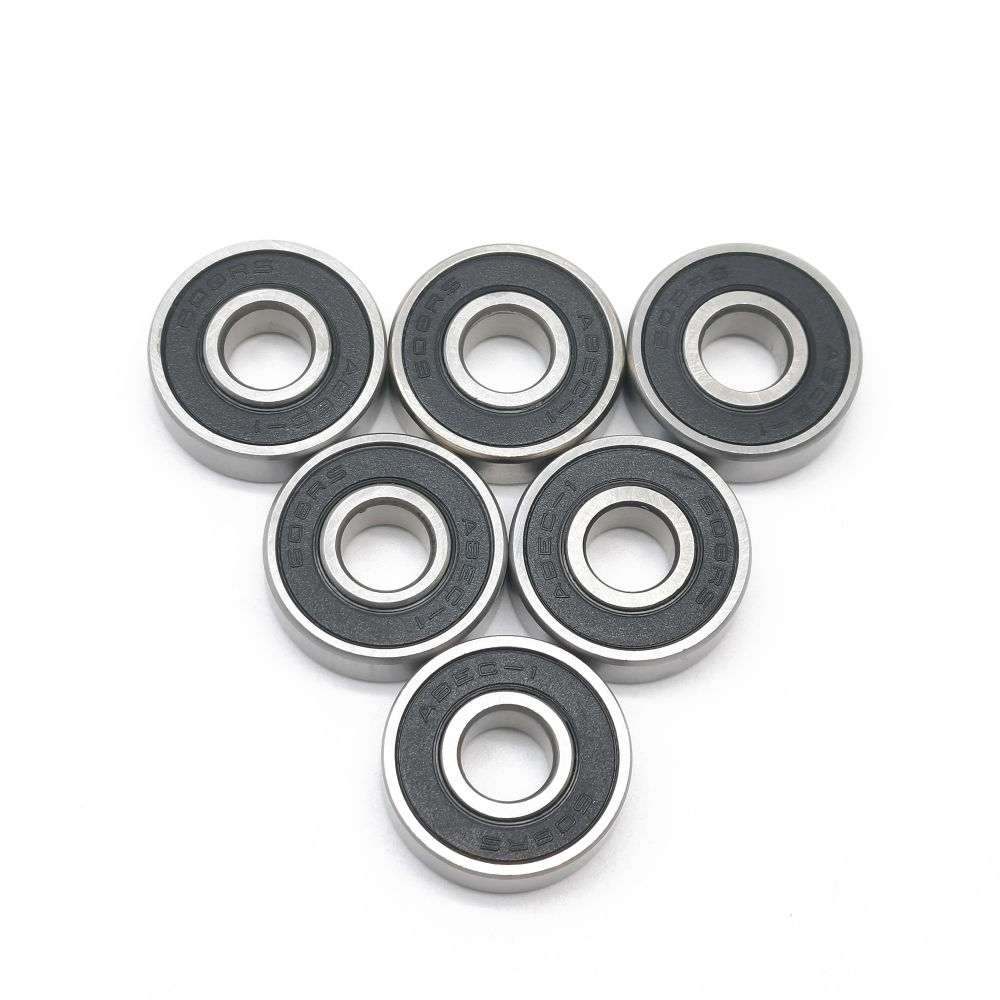
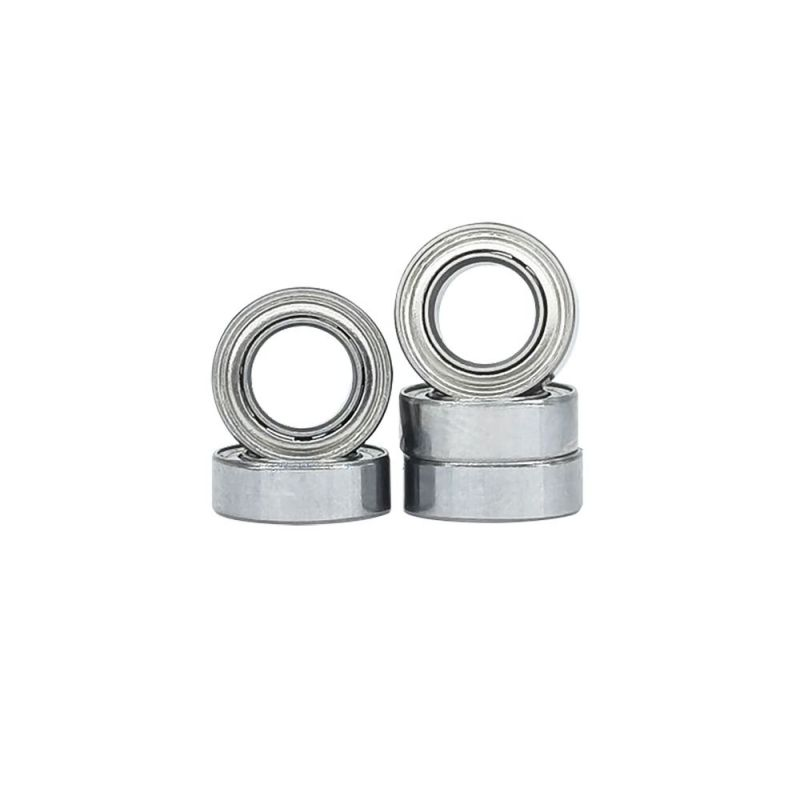
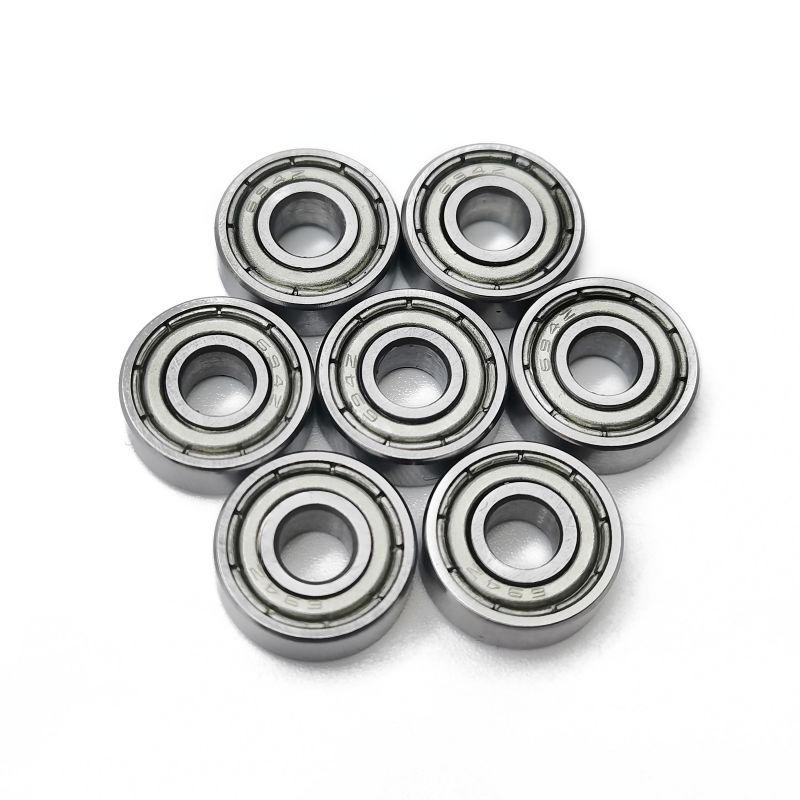
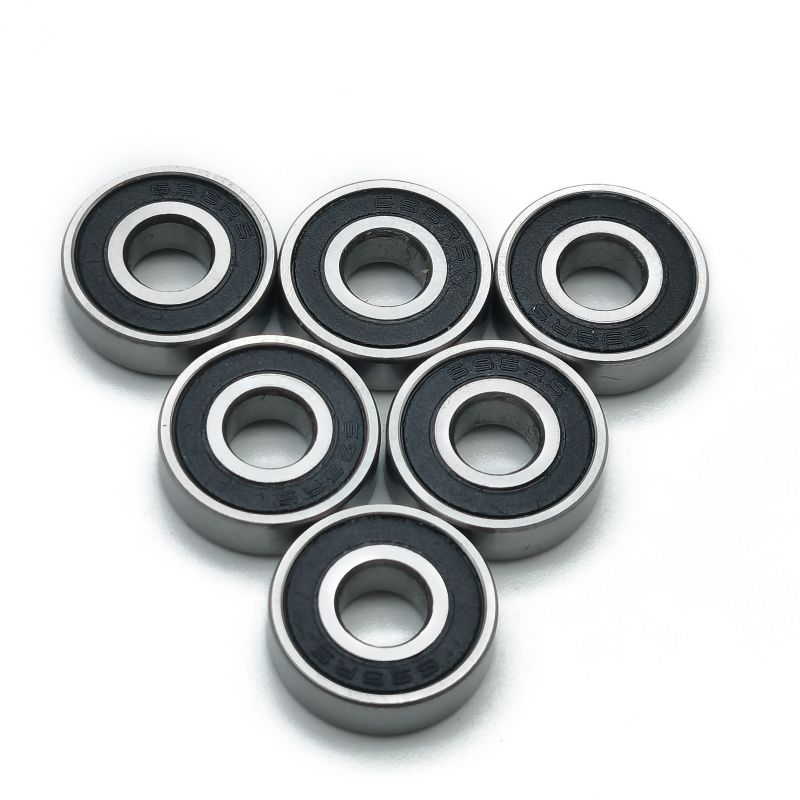
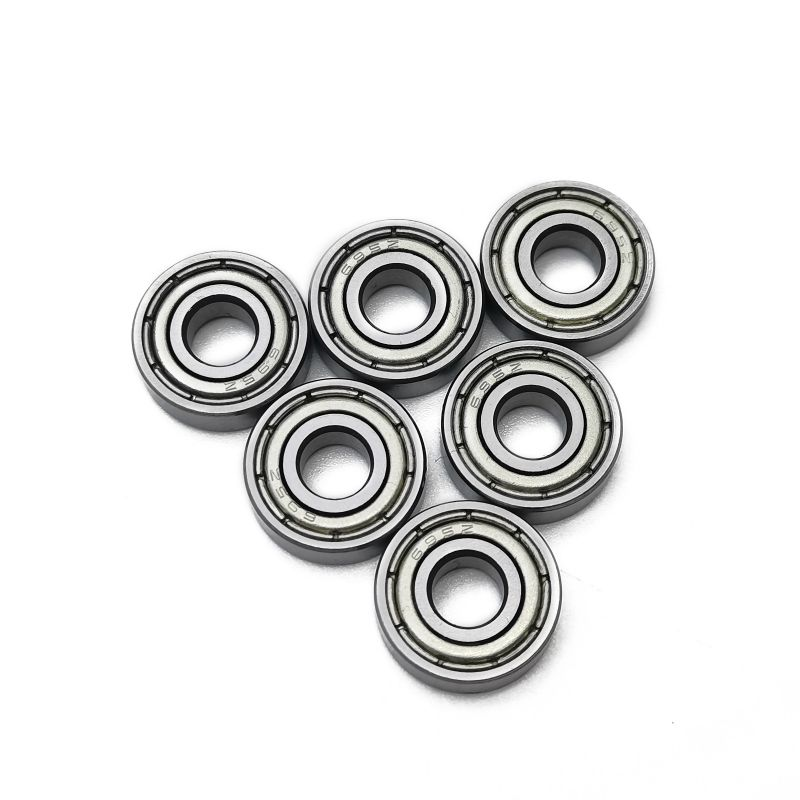
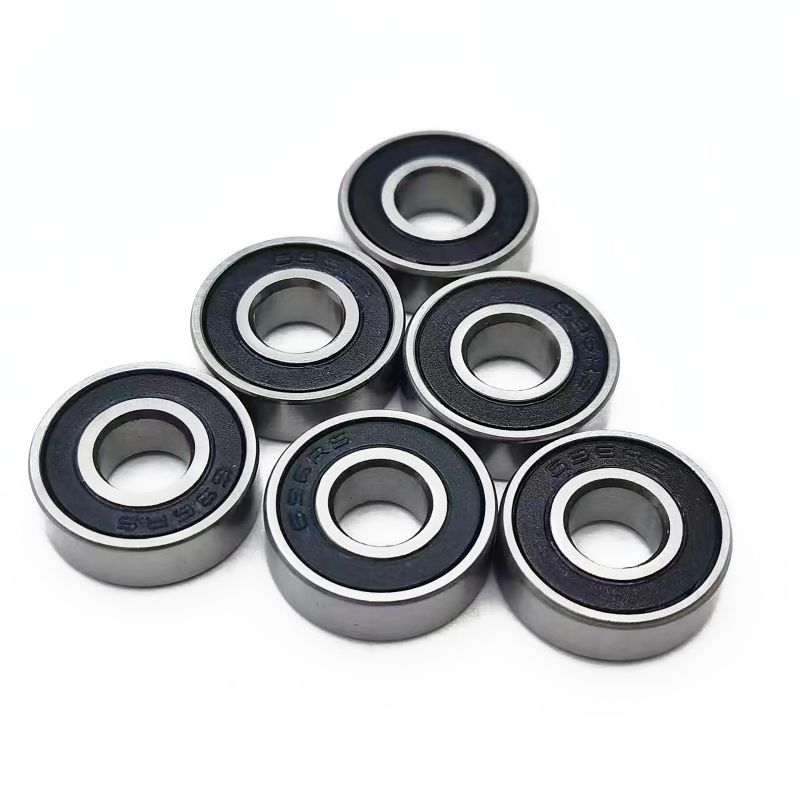
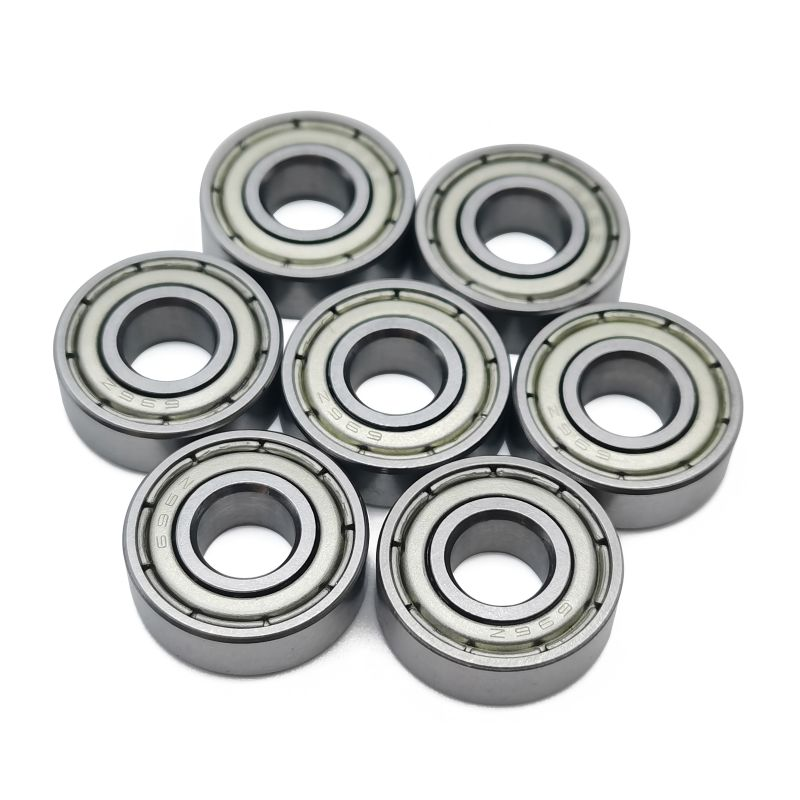
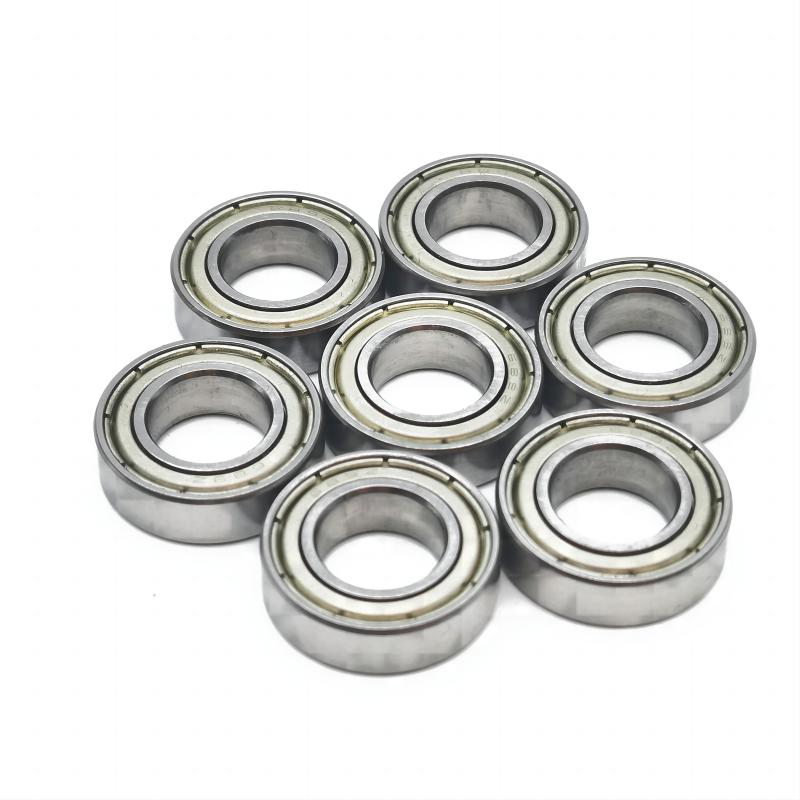
.01 Comprehensive Customization:
We provide full-process customization services from product design, material selection, sample making to mass production to meet customers' special specifications and functional requirements.

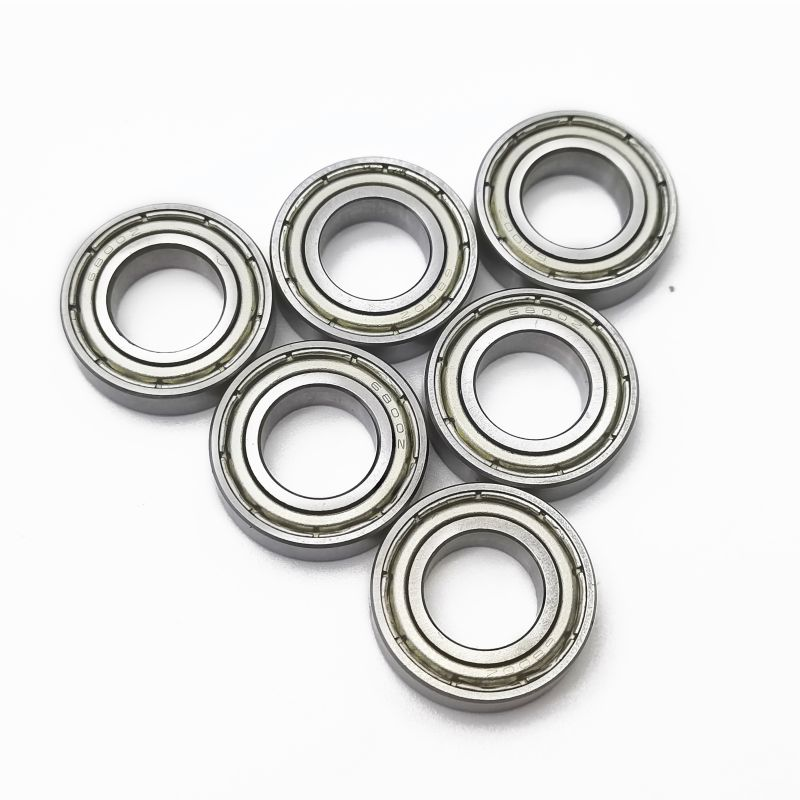
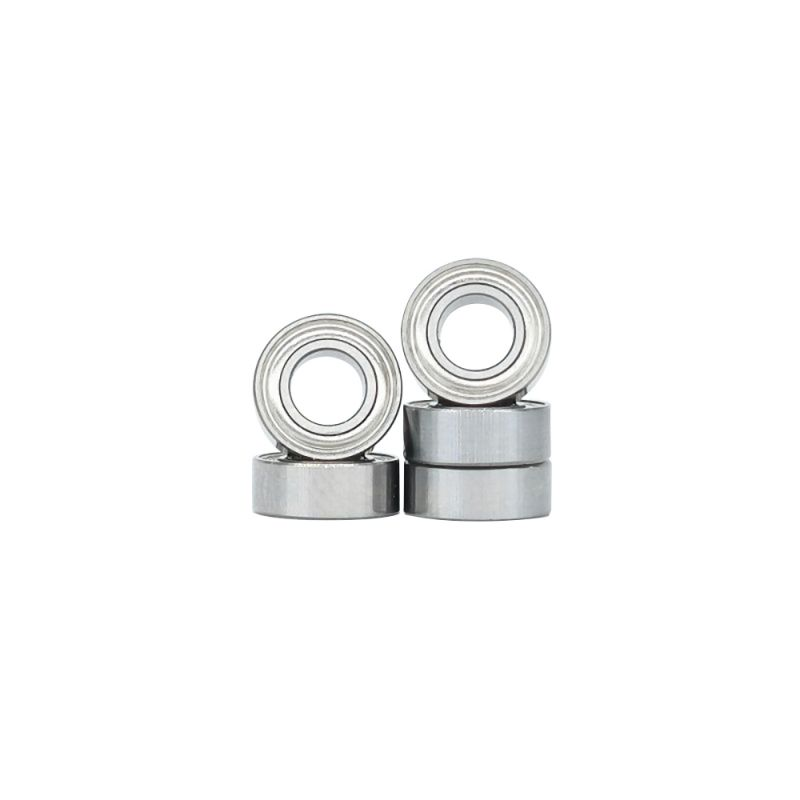
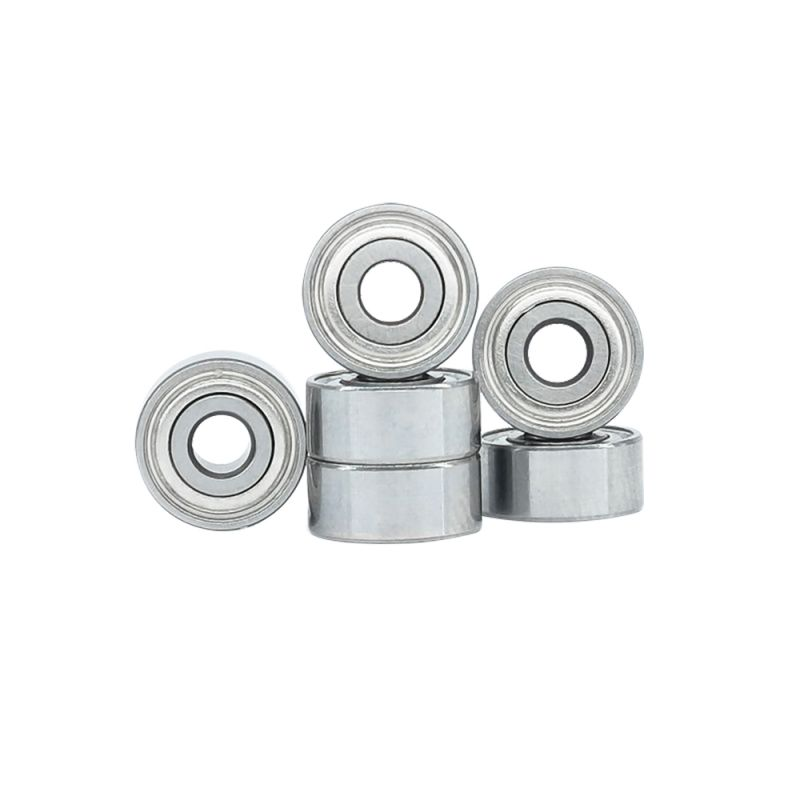
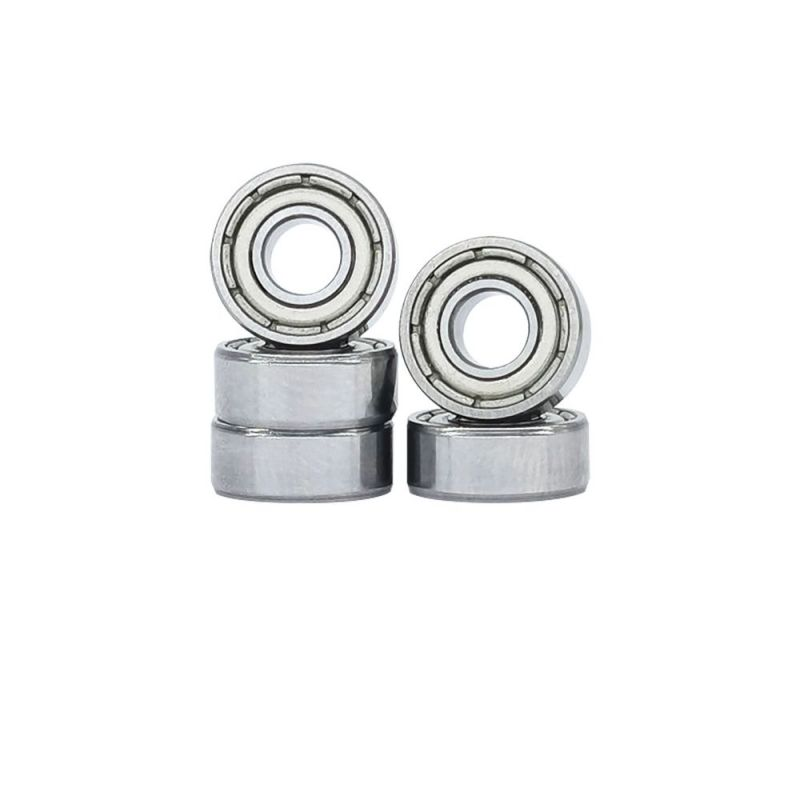
Engineered with advanced polyurethane tread bonded to precision ball bearing rollers, these bearing wheels deliver exceptional grip, smooth rolling motion, and extended durability. Perfect for material handling equipment, drive rollers, conveyor systems, and transport applications requiring both traction and low friction.
Polyurethane tread ball bearing rollers represent specialized engineering for applications requiring simultaneous high friction grip and low rolling resistance. Standard metal rollers slip on smooth loads and generate excessive vibration and noise. Bare ball bearings provide smooth rotation but lack grip for moving loads with curved or slippery surfaces. Our polyurethane tread rollers combine both benefits: the outer polyurethane tread provides exceptional grip coefficient (0.8-0.95) for reliable load movement, while the precision ball bearing core delivers smooth rolling motion with minimal friction loss and noise generation. This unique combination enables material handling equipment to move delicate or high-value loads with certainty while maintaining energy efficiency.
Polyurethane tread engineering demands advanced knowledge of elastomer science combined with precision bearing manufacturing. We utilize premium polyurethane compounds formulated specifically for industrial tread applications—materials that provide high friction coefficient while resisting abrasion, thermal degradation, and environmental stress cracking. The tread is bonded to precision chrome steel ball bearing rollers through a proprietary adhesion process that creates molecular-level integration between polyurethane and metal surface. This advanced bonding ensures that tread remains permanently attached even under extreme load, vibration, and thermal cycling that would cause inferior tread products to delaminate or slip.
The polyurethane tread thickness is precision-engineered at 8-12mm to balance grip performance with durability. Thinner treads provide lower friction but wear quickly; thicker treads provide extended life but reduce load capacity and increase bearing drag. Our specialized calculation accounts for your specific application: load weight, surface friction characteristics, expected operational life, and thermal environment all influence optimal tread thickness selection. The tread surface is textured through specialized embossing techniques that create thousands of microscopic grip points while maintaining smooth rolling characteristics, providing maximum friction without excessive vibration.
Polyurethane tread rollers excel in applications where load security and precision movement are equally important. Packaging lines require rollers that grip irregular packages without crushing delicate contents. Manufacturing assembly lines need rollers that move components smoothly and reliably without slip. Material handling equipment must transport valuable loads with certainty while minimizing energy consumption. Our advanced tread formulation combines high friction for grip with smooth rolling characteristics to enable these critical applications, all while operating quietly enough for factory environments where noise control is essential.
Comprehensive technical reference for grip-focused material handling applications.
Industries where load grip and smooth rolling must be balanced perfectly.
Package transport rollers, conveyor systems, and product handling equipment rely on polyurethane tread for grip without crushing delicate products.
Precision assembly equipment and product transport systems utilize polyurethane tread rollers for reliable, smooth component movement without slip.
Paper feed rollers, sheet handling systems, and paper transport equipment employ polyurethane tread for secure grip without paper damage.
Fabric handling systems, weaving equipment, and textile processing machines use polyurethane tread rollers for smooth fabric transport with reliable grip.
Postal sorting equipment, recycling systems, and material classification machinery employ polyurethane tread for precise load positioning and transport.
Pallet jacks, cart wheels, and material handling equipment utilize polyurethane tread for smooth movement with secure load grip during transport.
Grip meets efficiency in material handling.
Polyurethane tread provides exceptional grip (0.8-0.95 friction) compared to rubber (0.6-0.7), enabling reliable load movement on curved or slippery surfaces.
High-traction polyurethane prevents load slip during acceleration and deceleration, eliminating product damage and increasing equipment reliability.
Premium polyurethane formulation combined with precision ball bearing core provides 3-5 year service life in continuous material handling applications.
Smooth ball bearing rolling reduces drag compared to solid rubber wheels, decreasing drive motor energy consumption by approximately 20%.
Global logistics for polyurethane tread roller orders.
T/T (Wire Transfer): 30% deposit, 70% upon shipment.
L/C at Sight: Accepted for orders exceeding 3,000 pieces.
Bank Transfer: Available for qualified accounts.
Sea Freight: FCL/LCL from Shanghai for bulk orders.
Air Express: DHL/FedEx for urgent samples.
Standard Sizes: 20 – 25 days.
Custom Tread: 25 – 35 days.
Special Formulations: 35 – 45 days.
Expert answers about polyurethane tread ball bearing rollers.
A: Polyurethane provides higher friction coefficient (0.8-0.95 vs 0.6-0.7 for rubber), superior abrasion resistance, and better temperature stability. Polyurethane maintains grip in wider temperature ranges and resists thermal degradation from motor heat more effectively than rubber alternatives.
A: Tread gradually wears through normal use, reducing grip friction from 0.95 to 0.8 then lower as wear continues. At 50% wear, rollers should be replaced to maintain load security. We provide wear indication guidelines and replacement scheduling assistance.
A: Worn rollers are typically replaced rather than repaired due to complexity of tread removal and application. Custom tread application is available for OEM applications requiring roller refurbishment.
A: Yes. High friction coefficient of polyurethane tread (0.8-0.95) enables reliable load movement on inclines up to 30-40 degrees depending on load weight and tread condition.
A: Thicker tread (10-12mm) provides extended wear life but increases bearing drag and reduces speed capability. Thinner tread (8-10mm) reduces drag but wears faster. Optimal thickness depends on load, speed, and expected operational hours.
A: Delamination typically results from poor adhesion bonding or excessive thermal stress exceeding material tolerance. Our proprietary molecular-level adhesion process prevents delamination under normal conditions. Extreme heat or chemical solvents can compromise bonding.
A: We perform friction coefficient measurement using standardized test equipment to confirm 0.8+ friction rating. Test samples are run under load and temperature to validate grip performance.
A: Maximum speed is typically 8,000-10,000 RPM depending on bearing size and tread thickness. Higher speeds generate excessive friction heat and tread wear. Consult specifications for your exact requirement.
A: Standard MOQ is 200 rollers per specification. Custom tread thickness or grip formulations require minimum orders of 500 rollers.
A: Yes. We can formulate custom polyurethane compounds with specific friction coefficients (0.6-0.95+) optimized for your load surface characteristics. Custom formulations require 35-45 day lead times and minimum orders of 500 pieces.
A: Yes. For orders of 500+ pieces, we provide pre-production friction coefficient testing on prototype samples to validate grip performance meets your application requirements.
A: Yes. We provide performance warranties confirming minimum 3-year service life in standard material handling applications with documented grip maintenance standards.
Key specifications and ordering details.
| MOQ | 200 Rollers (Custom: 500) |
| Lead Time | 20 – 45 Days |
| Packaging | Standard Cartons / Protective Cases |
| Certifications | ISO 9001 / FDA Options |
| Materials | Chrome Steel Bearing + Polyurethane Tread |
| Customization | Tread Thickness, Friction Coefficient, Bore Size |
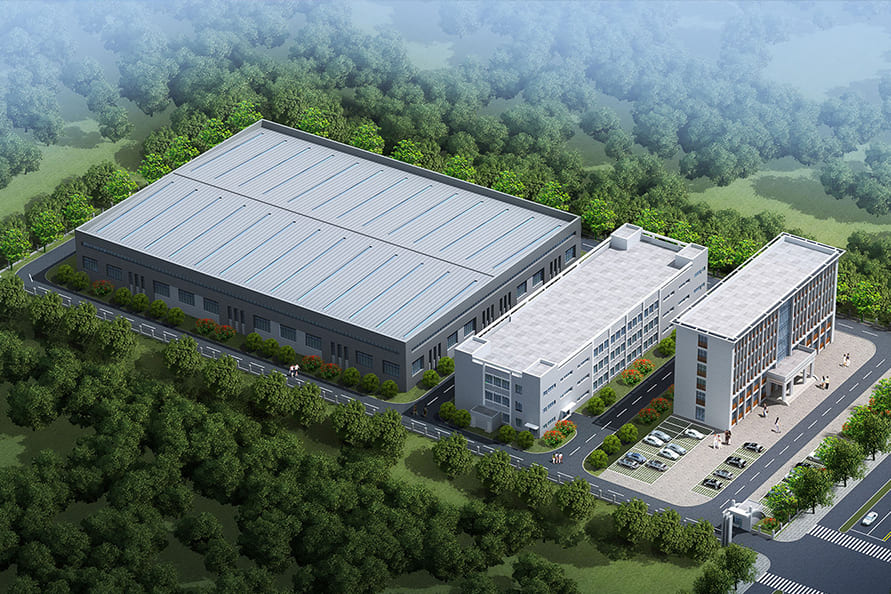
10 YEARS INDUSTRY EXPERIENCE
8700m² advanced factory
15 high-tech professionals
Annual production: 2.4 million sets
Rigorous quality protocols ensure grip performance and adhesion reliability.
Ball bearings selected to P5/P6 precision and inspected for dimensional accuracy before tread application. Perfect bearing geometry ensures even tread loading and smooth rolling.
Advanced adhesion process creates permanent molecular-level integration between polyurethane tread and bearing surface. Bond strength verified through pull-off testing (5+ MPa).
All rollers tested for friction coefficient to confirm 0.8+ grip rating. Test samples operated under load to validate grip consistency across production batch.
Comprehensive testing protocols for polyurethane tread performance validation.
Standardized friction measurement on test surfaces confirms 0.8-0.95 grip rating. Multiple test points across tread surface ensure consistency.
ASTM D4541 pull-off adhesion testing confirms tread bonding strength exceeds 5 MPa with zero delamination risk under mechanical stress.
Test rollers operated under load for 500+ hours with periodic friction measurement to document wear rates and predict service life.
Noise and vibration testing confirms ball bearing core performs smoothly despite tread application. Vibration analysis validates low friction operation.
Rollers tested at temperature extremes (-10°C and +70°C) to confirm polyurethane tread properties remain stable across operating range.
Test bearings subjected to rated loads plus 25% overload verification to confirm structural integrity and bearing robustness.
Understand when polyurethane tread rollers provide optimal material handling performance.
| Feature | Bare Metal Rollers | Rubber Tread Rollers | Polyurethane Tread (Our Grade) |
|---|---|---|---|
| Friction Coefficient | 0.2-0.3 (slip prone) | 0.6-0.7 | 0.8-0.95 (maximum grip) |
| Rolling Resistance | Minimal | Moderate (friction) | Low (bearing design) |
| Tread Life | N/A (no tread) | 1-2 years | 3-5 years |
| Temperature Stability | Excellent | Moderate | Excellent (0°C to +70°C+) |
| Chemical Resistance | Superior | Good | Good |
| Material Handling Reliability | Poor (high slip risk) | Good | Excellent (optimal grip) |

We provide full-process customization services from product design, material selection, sample making to mass production to meet customers' special specifications and functional requirements.

With an advanced production base of 8,700 square meters and rich technical experience, we are able to respond quickly to customer needs, whether it is small batch customization or large-scale mass production.

We strictly follow the GB/T 19001-2016/ISO9001:2015 quality management system. Each customized product undergoes strict quality inspection to ensure that it meets the high standards of customers.

Our internal technical team consists of experienced engineers and designers who can provide professional technical support to help you optimize product design and improve production efficiency.

We have a stable supply chain and sales network around the world to ensure that your products can enter the market quickly and receive timely after-sales service.
Polyurethane tread ball bearing rollers for specialized material handling systems require advanced polymer engineering. We provide end-to-end customization from grip analysis to tread formulation to performance validation.
Products
CONTACT Us
Mobile Site
Copyright© Zhejiang Yingfei Biotechnology Co., Ltd. All Rights Reserved
 Wholesale Polyurethane Tread Ball Bearing Rollers Manufacturers