
 0
0

 English
 Español
 中文简体
中文简体 عربى
عربى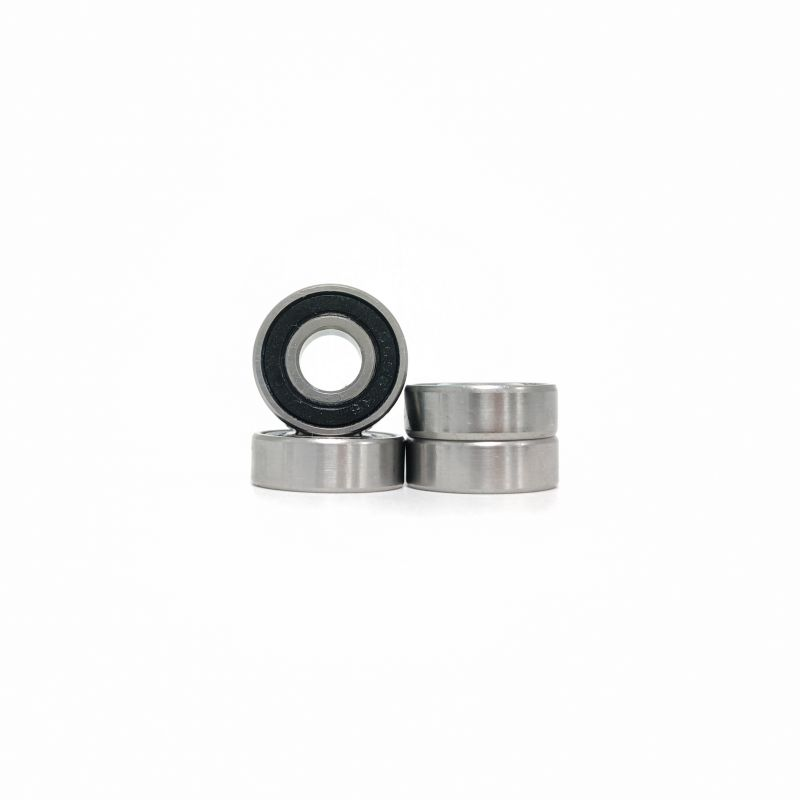
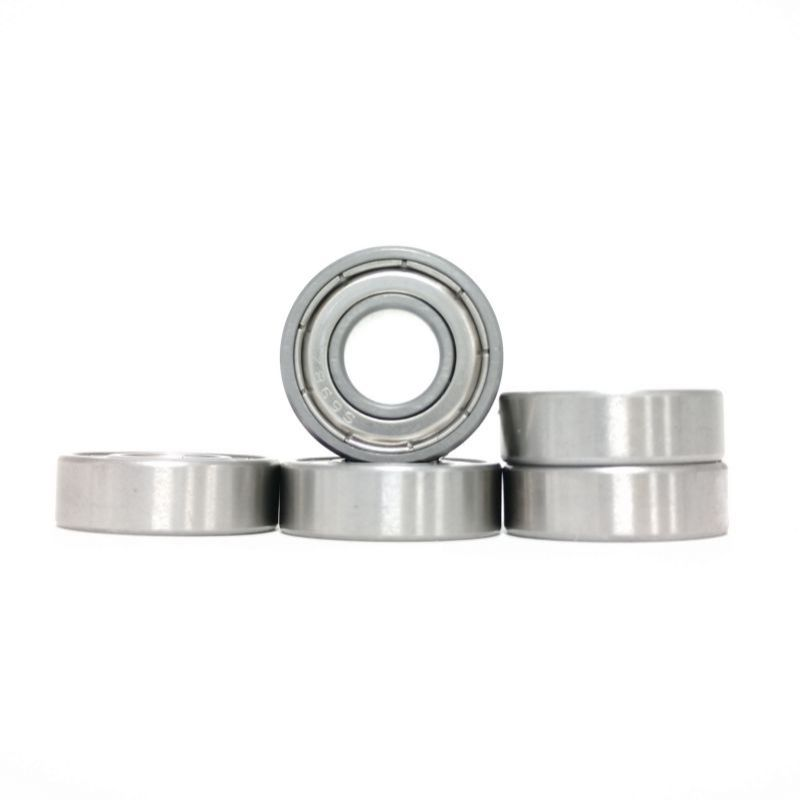
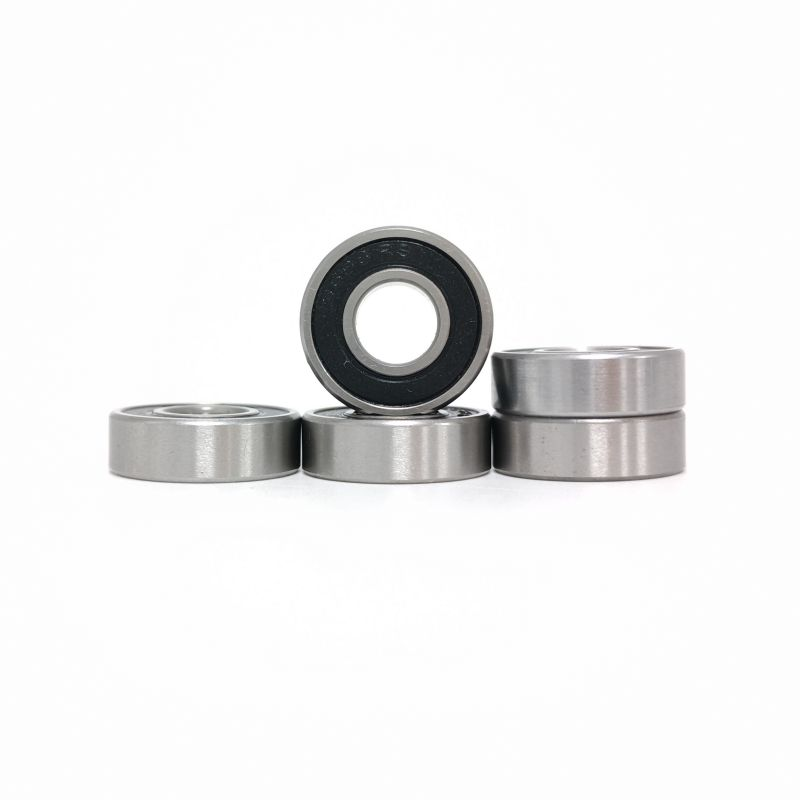
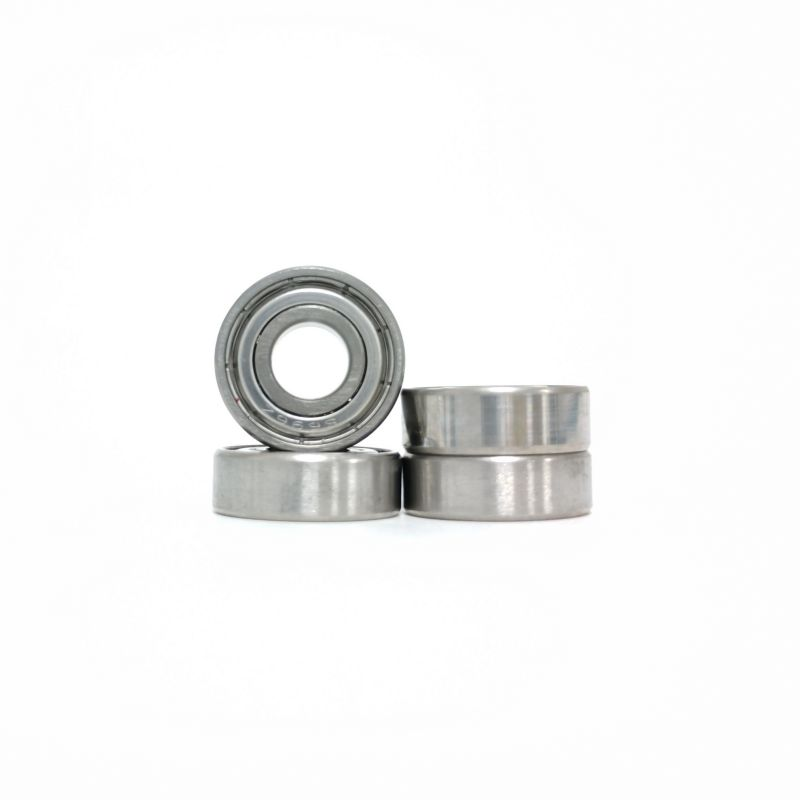
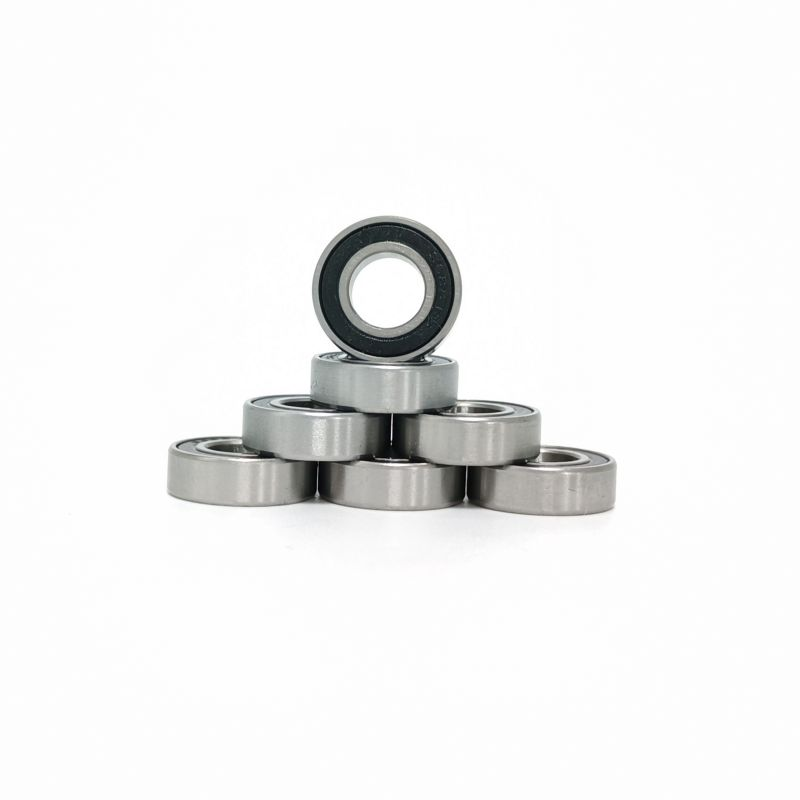
.01 Comprehensive Customization:
We provide full-process customization services from product design, material selection, sample making to mass production to meet customers' special specifications and functional requirements.

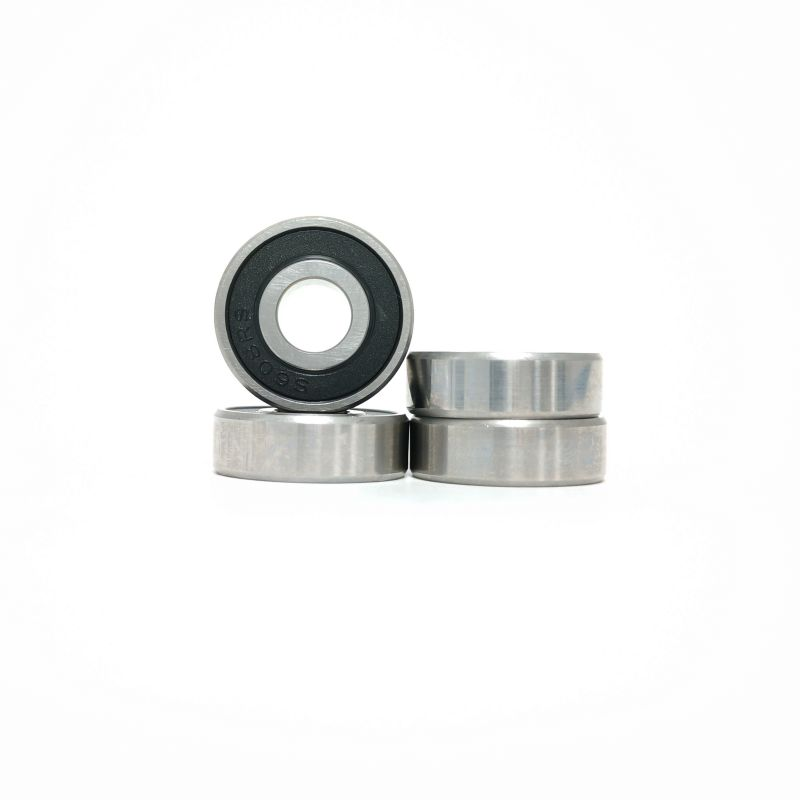
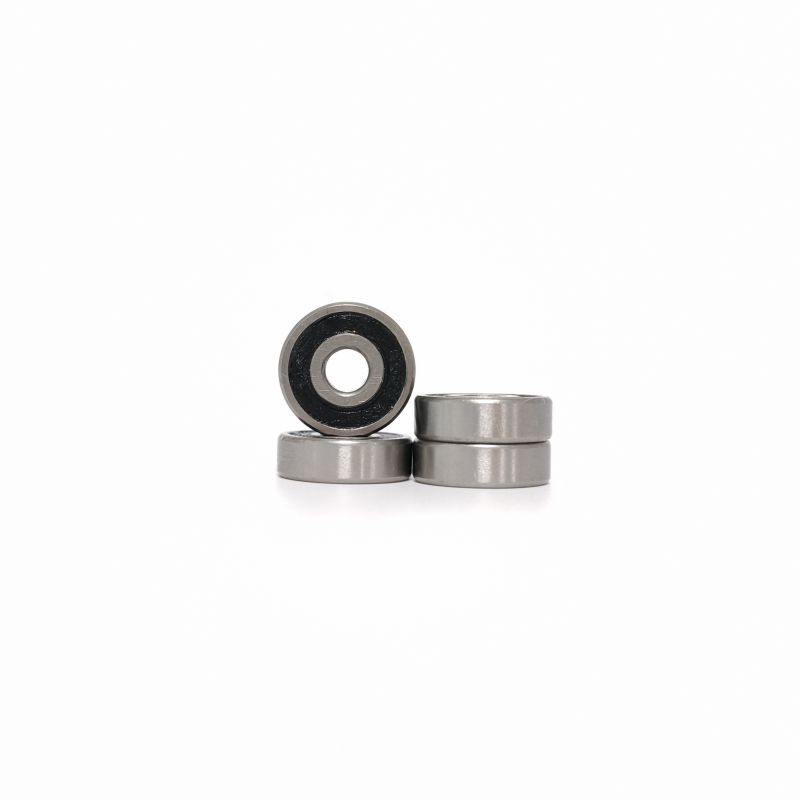
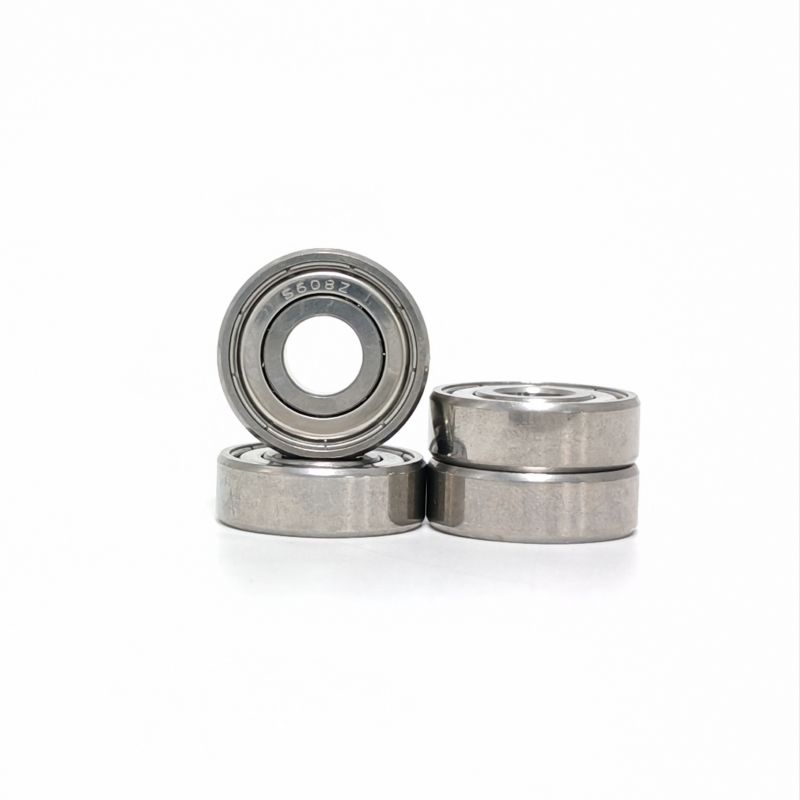
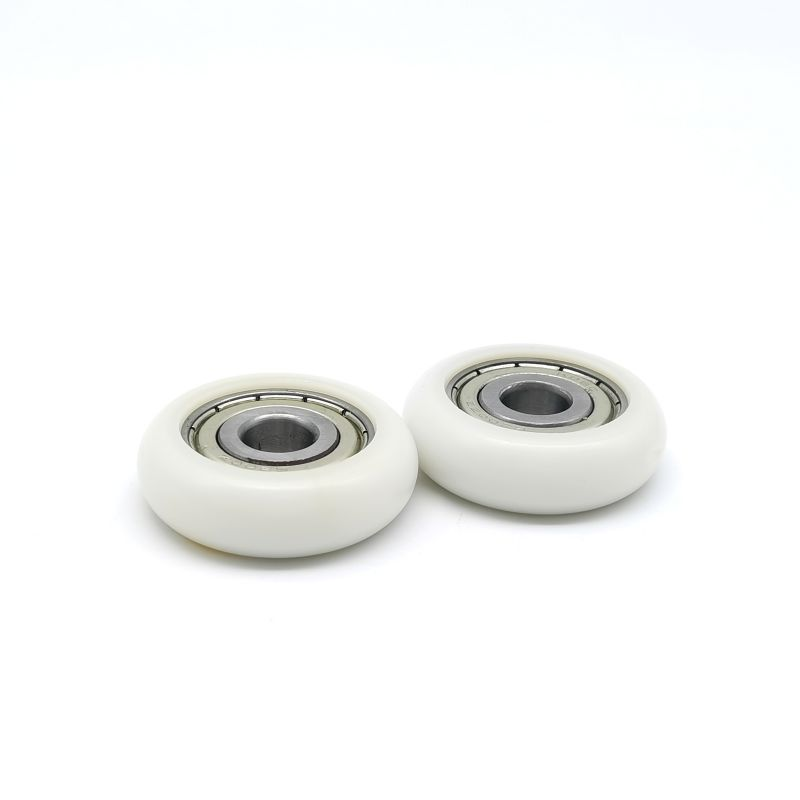
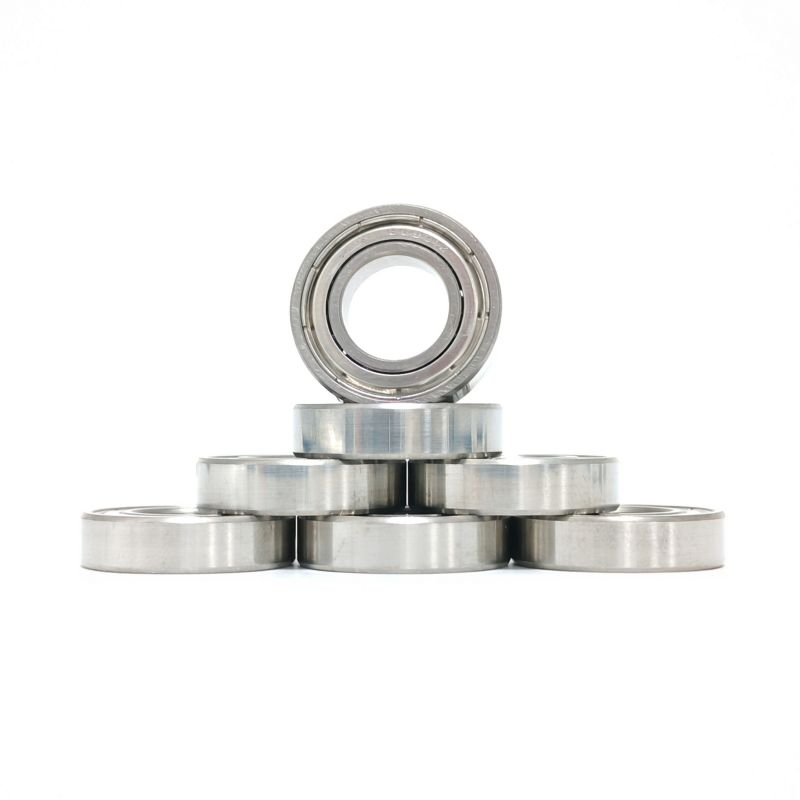
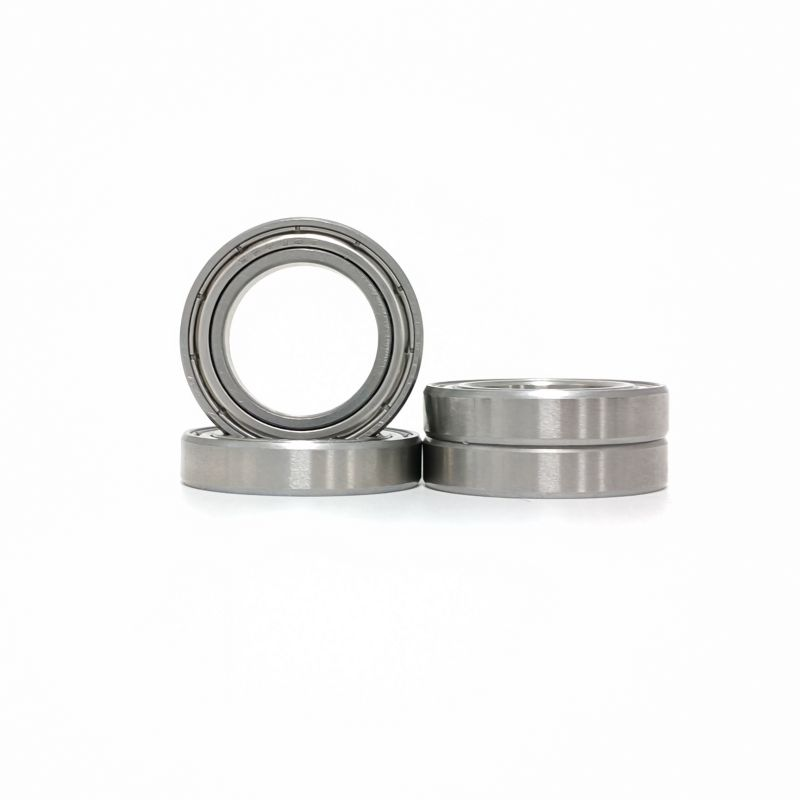
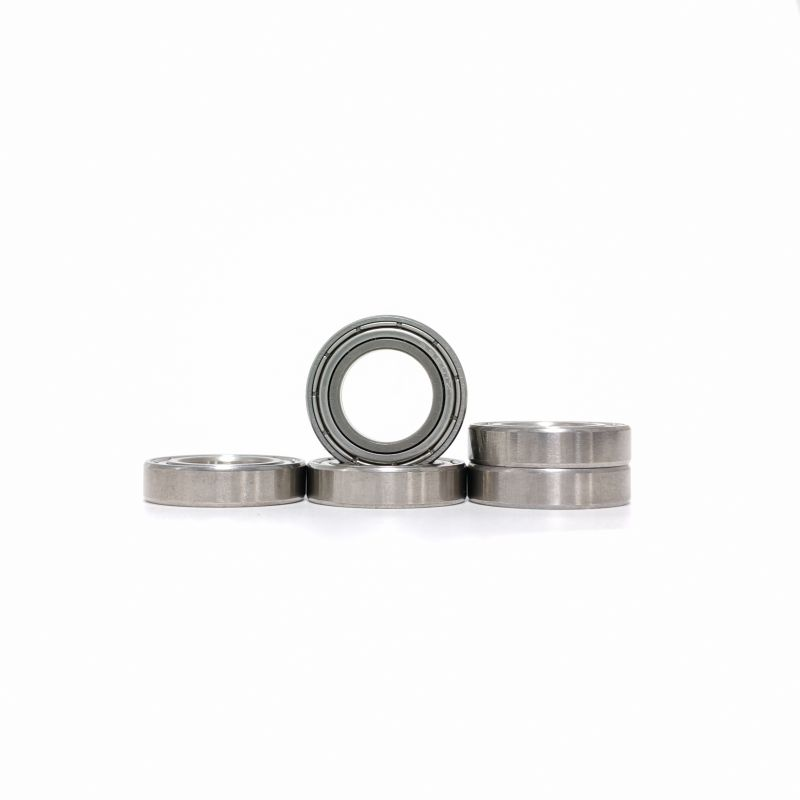
Next-generation corrosion-resistant bearings engineered with specialized stainless steel alloys and advanced surface treatments, delivering uncompromising performance in acidic, alkaline, and salt-laden industrial environments. Designed for chemical processing, desalination, and offshore operations.
Traditional stainless steel bearings represent significant advances over carbon steel in corrosive environments, yet they are not invincible. Standard AISI 304 stainless can suffer localized pitting corrosion in chloride-rich environments, and AISI 440C can experience stress corrosion cracking under combined mechanical load and chemical attack. Our advanced corrosion-resistant bearing line transcends these limitations through sophisticated material science and proprietary surface engineering. We employ specialized duplex stainless steel alloys (2205, 2507) with superior pitting resistance, complemented by advanced electropolishing and passivation treatments that create protective surface layers resistant to localized corrosion mechanisms.
The fundamental mechanism of stainless steel corrosion resistance involves spontaneous formation of a passive oxide film (Cr₂O₃) on the material surface. This microscopic film, typically 1-3 nanometers thick, protects underlying steel from chemical attack. However, this passive film is not indestructible—high chloride concentrations, mechanical damage, or manufacturing contamination can breach it, initiating catastrophic pitting corrosion. Our corrosion-resistant bearings undergo electropolishing and dual-stage passivation treatment that removes surface contaminants (iron particles, machining debris), etches the surface to remove inclusions, and applies controlled oxidizing conditions to create an enriched protective oxide layer. This engineered surface is 3-5 times more resistant to pitting initiation than untreated stainless bearings.
For applications in extreme chemical environments, we offer specialized duplex stainless steel variants (ASTM A240 Type 2205, UNS S32205) that combine the strengths of austenitic and ferritic stainless steels. Duplex alloys contain ~22% chromium and 3% molybdenum, providing superior pitting resistance with PREN (Pitting Resistance Equivalent Number) values exceeding 35—compared to ~20 for standard 304 stainless. In desalination plants where concentrated brine (>300,000 ppm NaCl) flows continuously, duplex stainless bearings maintain integrity indefinitely while standard stainless corrodes within months. For sour gas and oil well applications, we provide NACE MR0175 certified bearings with specialized hydrogen embrittlement resistance—critical in H₂S environments where standard materials suffer brittle failure.
The chemistry of bearing design in corrosive environments extends beyond material selection to include lubricant chemistry and seal material compatibility. Our corrosion-resistant bearings are pre-lubricated with synthetic greases formulated to inhibit corrosion electrochemically—the grease itself acts as a barrier preventing aggressive chemicals from reaching the raceway surfaces. For extreme environments, we offer specialized molybdenum disulfide (MoS₂) enhanced greases that provide corrosion inhibition plus enhanced load capacity. All sealing materials (rubber, metal shields) are selected for compatibility with the specific chemical environment—a bearing sealed with standard nitrile rubber will fail in aromatic solvent environments, while EPDM or fluoro-elastomer seals provide requisite chemical resistance.
Complete technical reference for chemical and marine applications.
Proven performance in industries where corrosion costs exceed hundreds of thousands per failure.
High-pressure seawater pump bearings and brine processing equipment operating in extreme chloride concentrations where standard bearings corrode within weeks.
Downhole equipment and H₂S-rich wellhead systems requiring NACE MR0175 certification to prevent hydrogen embrittlement and stress corrosion cracking.
Pump bearings in acid, caustic, and organic solvent processing environments with continuous chemical immersion and splash contamination.
Bearings for bleaching and chemical pulping equipment exposed to chlorine, chlorine dioxide, and complex chemical mixtures.
Marine equipment bearings and subsea actuators exposed to continuous salt spray, high pressure, and oxygen-rich brine environments.
Bearings in electroplating tanks and chemical finishing operations exposed to metal-salt solutions and acidic/alkaline electrolytes.
Materials and surface engineering that defeat corrosion permanently.
Dual-stage passivation creates protective oxide layers surviving 3000+ hours ASTM B117 salt spray testing without pitting initiation.
Corrosion-resistant bearings achieve 25,000+ operating hours in brine and chemical environments where standard bearings fail in <1,000 hours.
In offshore and chemical processing, bearing failure often triggers equipment shutdown costing $100,000+ per hour in lost production and environmental risks.
Specialized bearing grades achieve NACE MR0175 certification for hydrogen embrittlement resistance in sour gas and downhole applications.
Logistics for critical corrosion-resistant bearing orders.
T/T (Wire Transfer): 50% deposit for NACE/specialized certifications, balance before shipment.
L/C at Sight: Accepted for offshore and oil & gas orders above $50,000 value.
Project Financing: Available for major industrial installations.
Sea Freight: FCL/LCL from Ningbo with corrosion-inhibiting protective packaging.
Air Express: DHL/FedEx for urgent offshore emergency orders.
Standard Stainless: 20 – 30 days.
Duplex 2205 Grade: 30 – 40 days.
NACE MR0175 Certified: 40 – 60 days with documentation.
Expert answers about corrosion-resistant bearings.
A: Electropolishing removes surface contamination and smooths the material microscopically. Passivation then applies controlled oxidizing conditions (typically citric or nitric acid) to create a protective oxide layer. Together, they dramatically improve corrosion resistance compared to standard stainless bearings.
A: For chloride and acidic environments, yes. Duplex 2205 offers superior pitting resistance (PREN 35-40 vs 20-25). However, duplex is more expensive and harder to machine. For lower-chloride environments, standard 304 may be sufficient at lower cost.
A: NACE MR0175 is an international standard for materials in hydrogen sulfide (sour gas) environments. It certifies that materials resist hydrogen embrittlement and stress corrosion cracking—essential for oil and gas downhole equipment where H₂S concentrations can cause catastrophic brittle failure.
A: Yes. Stainless steel bearings are standard in food processing. For NSF H1 (food-safe) certification, we combine corrosion-resistant stainless materials with approved lubricants meeting FDA CFR 177 requirements.
A: PREN is a calculated value predicting a material's resistance to localized pitting corrosion: PREN = %Cr + 3.3%Mo + 16%N. Higher PREN indicates greater resistance. Duplex 2205 (PREN 35-40) withstands chloride concentrations standard 304 (PREN 20-25) cannot tolerate.
A: In sour gas environments, hydrogen penetrates steel, making it brittle and prone to sudden fracture under load. NACE MR0175 certification involves material selection and heat treatment procedures that minimize hydrogen absorption and prevent embrittlement.
A: Standard synthetic greases work, but we recommend corrosion-inhibiting formulations containing organic acid compounds that electrochemically protect bearing surfaces. For extreme conditions, MoS₂-enhanced greases provide both corrosion inhibition and enhanced load capacity.
A: Stainless bearings with proper sealing can tolerate immersion in most chemical environments. However, we recommend sealed bearing designs and periodic inspection in extreme acid/caustic environments. Specific chemical compatibility should be verified with our engineering team.
A: NACE MR0175 certification includes material mill certificates, heat treatment records, hardness verification, and compliance documentation per API 6A and DNV-GL standards. Complete traceability documentation accompanies each shipment.
A: Standard MOQ is 500 pieces. For NACE-certified specialized grades, MOQ is 1,000 pieces due to material costs and certification requirements. Custom sizes require higher MOQ.
A: Yes. We offer EPDM, fluoro-elastomer (FKM), and specialty seal materials compatible with aromatic solvents, chlorinated hydrocarbons, and other aggressive chemicals. Specify your chemical environment and we'll recommend optimal sealing.
A: NACE-compliant bearings require material verification, specialized heat treatment, and certification documentation—typically 40-60 days from order to shipment. Expedited certification possible for emergency offshore orders.
Key specifications and ordering details.
| MOQ | 500 Pieces (NACE: 1,000) |
| Lead Time | 20 – 60 Days |
| Packaging | Corrosion-Inhibiting Sealed Boxes |
| Certifications | ISO 9001 / NACE MR0175 / DNV-GL |
| Materials | AISI 304, 440C, Duplex 2205 |
| Customization | Material Grade, Sealing, Lubrication, Certification |
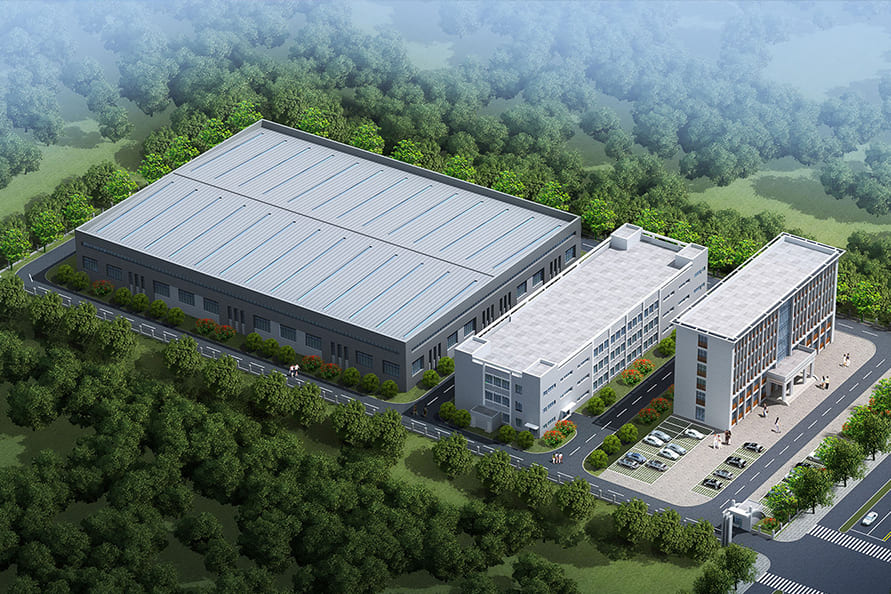
10 YEARS INDUSTRY EXPERIENCE
8700m² advanced factory
15 high-tech professionals
Annual production: 2.4 million sets
Rigorous quality protocols ensure maximum corrosion resistance and long service life.
Every stainless steel batch tested via spectral analysis to confirm chromium, molybdenum, and nitrogen content. Materials not meeting specification are rejected before processing.
Electropolishing removes surface iron contamination and machining debris. Citric acid passivation creates enriched oxide protective layer. Process monitored via ferric chloride testing to confirm passivation quality.
Random bearing samples subjected to 3000-hour ASTM B117 salt spray testing. Post-test disassembly inspects for any pitting or localized corrosion initiation before batch release.
Comprehensive testing protocols validate corrosion resistance and material integrity.
3000+ hour exposure in 5% NaCl salt spray chamber. Post-test inspection for pitting, stress corrosion cracking, and surface degradation—all must show zero corrosion.
Material samples immersed in FeCl₃ solution to accelerate pitting corrosion. Rapid pit initiation test verifies passivation quality and PREN calculations.
Potentiodynamic scans measure corrosion potential and critical pitting temperature (CPT), providing quantitative corrosion resistance verification.
For NACE MR0175 certification, slow-strain-rate tensile testing in H₂S environment confirms materials resist hydrogen-induced cracking.
Bearings under sustained load exposed to chloride environments to verify resistance to SCC mechanisms—critical for offshore and chemical applications.
Complete mill certificates confirming material composition, heat treatment records, and hardness verification per NACE and DNV-GL standards.
Choose the right stainless steel for your corrosion environment.
| Feature | AISI 304 Standard | AISI 440C Premium | Duplex 2205 Advanced |
|---|---|---|---|
| Pitting Resistance (PREN) | 20-25 | 25-30 | 35-40 |
| Chloride Tolerance | Mild environments | Moderate chloride | Extreme brine (300k+ ppm) |
| Sour Gas (H₂S) Use | Not suitable | Limited - consult | NACE MR0175 certified |
| Cost Premium | Baseline | +15-25% | +40-60% |
| Service Life (Brine) | Weeks to months | Months to 1 year | 10+ years |
| Recommended Use | Mild corrosion | Moderate corrosion | Extreme corrosion |

We provide full-process customization services from product design, material selection, sample making to mass production to meet customers' special specifications and functional requirements.

With an advanced production base of 8,700 square meters and rich technical experience, we are able to respond quickly to customer needs, whether it is small batch customization or large-scale mass production.

We strictly follow the GB/T 19001-2016/ISO9001:2015 quality management system. Each customized product undergoes strict quality inspection to ensure that it meets the high standards of customers.

Our internal technical team consists of experienced engineers and designers who can provide professional technical support to help you optimize product design and improve production efficiency.

We have a stable supply chain and sales network around the world to ensure that your products can enter the market quickly and receive timely after-sales service.
Different chemical environments require optimized material selection and surface treatments. We provide expert engineering to specify bearings perfectly suited to your specific corrosion challenges.
Products
CONTACT Us
Mobile Site
Copyright© Zhejiang Yingfei Biotechnology Co., Ltd. All Rights Reserved
 Wholesale Corrosion Resistant Stainless Steel Bearings Manufacturers