
 0
0

 English
 Español
 中文简体
中文简体 عربى
عربى
Industry News

Submit
Submit feedback
Why Do High-Speed Ball Bearings Overheat and Fail Prematurely
2026-05-20
The stable operation of precision mechanical assemblies relies heavily on high-performance core components, among which ball bearings, as a fundamental mechanical element achieving low friction and high-capacity rotation, are widely applied across various high-precision industrial manufacturing, power transmission systems, and precision instruments. In actual industrial production and equipment maintenance, selecting the appropriate technical parameters based on operating conditions and resolving early failures to avoid equipment downtime are critical to ensuring high efficiency and low operating costs on the production line.
Core of Mechanical Rotation: Understanding Basic Load and Structural Design
The primary function of ball bearings is to replace sliding friction with rolling friction, thereby significantly reducing mechanical energy consumption. The basic structure consists of an inner ring, an outer ring, rolling elements (steel balls), and a retainer. In precision applications, the geometric accuracy and surface roughness of the rolling elements directly determine the vibration level and heat generation of the assembly.
The load-carrying mechanisms of different designs vary significantly. For instance, deep groove designs primarily withstand radial loads while accommodating certain bi-directional axial loads. Conversely, angular contact designs feature a specific contact angle on the inner and outer rings, making them more suitable for combined loads with heavy single-direction axial loads and radial loads. Identifying the actual force direction of the equipment is a prerequisite for preventing premature fatigue spalling of the components.
Key Technical Parameters and Performance Indicator Comparison
When performing equipment selection and technical replacement, core physical and mechanical parameters must be strictly compared. The following presents a direct parameter comparison between two typical ball bearings designs commonly used in industrial applications to enable precise matching based on specific speed and load requirements:
| Mainly radial load, accommodating minor axial load | Combined radial and heavy single-direction axial load |
| Extremely high (low friction torque) | High (depending on the magnitude of preload) |
| Nominal baseline (1.0) | Higher (approx. 1.15 - 1.25, under identical dimensions) |
| Relatively weak (limited by raceway groove depth) | Extremely strong (increases as the contact angle increases) |
| Lowest | Intermediate (due to different contact surface pressure distribution) |
| Higher tolerance for coaxiality errors | Must be assembled in pairs or under strict preload control |
Operational Fault Diagnosis and Failure Solutions
On the production floor, the operational state of ball bearings directly impacts product yield rates. The following are two types of the most frequently encountered technical problems and their deep technical solutions:
Abnormal Heat Generation and Excessive Temperature Rise During Operation
When the operating temperature of the component exceeds 80 degrees Celsius, close attention must be paid. The main causes of this problem lie in improper lubrication (excessive or insufficient) and excessive preload.
Abnormal Recognition: Monitor the outer ring temperature using an infrared thermometer. If the temperature rise curve shows a steep upward trend accompanied by a low humming sound, it is typically caused by grease churning heat or insufficient clearance.
Deep Solution: First, verify the working clearance. The initial installation clearance must be recalculated based on the thermal expansion coefficient of the bearing after operation to ensure a reasonable residual clearance remains after thermal expansion. Second, adjust the lubricant filling quantity. For high-speed operating conditions, the grease filling quantity should be strictly controlled within 30% to 40% of the internal space, and it should never be filled blindly.
Surface Fatigue Spalling and Abnormal Vibration
When equipment generates high-frequency, piercing metal noise during operation, and vibration acceleration sensors detect an abnormal peak spike at a specific frequency, this usually indicates that microscopic spalling has occurred on the surface of the rolling elements or the raceways.
Cause Analysis: This is primarily due to excessive interference fit during installation leading to over-preloading, or misalignment during installation which subjects the rolling elements to abnormal eccentric loads.
Deep Solution: Inspect the mating surfaces after disassembly. Use a micrometer to measure the dimensions of the shaft journal and housing bore to ensure that the fit tolerances comply with technical standards (such as h6 or j6 fits). When reassembling, a dedicated sleeve or induction heater must be used. Direct hammering on the inner and outer rings is strictly prohibited to prevent brinelling indentations on the raceway, thereby eliminating operational vibration at its source.
Impact of Material Modification and Protection Seals on Service Life
To improve the service life of ball bearings under harsh working conditions, material selection and seal design are paramount alongside optimizing structural parameters. High-carbon chromium bearing steel (such as GCr15) subjected to rigorous vacuum degassing treatment significantly reduces non-metallic inclusions, thereby increasing contact fatigue strength.
Concurrently, highly efficient sealing structures must be selected for environments with high dust levels and high humidity. Contact rubber seals (RS type) increase the friction speed limit slightly but effectively prevent external foreign matter contamination and retain internal grease. On the other hand, non-contact dust shields (ZZ type) are suitable for operating conditions demanding extremely high speeds within relatively clean environments. Accurately configuring the protection level according to environmental dust concentration (ppm level) is an effective pathway to extending the mechanical operation cycle.
recommend products
-
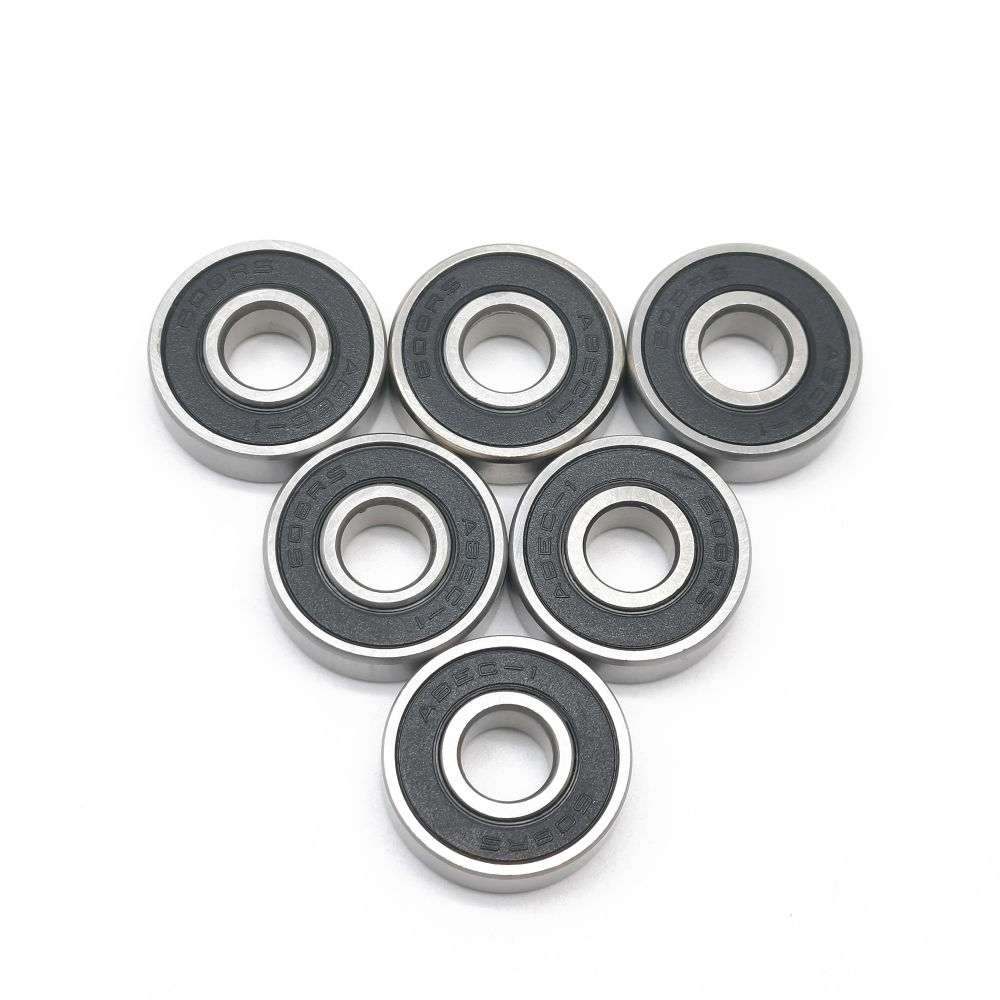


608RS Chrome steel Double Rubber Sealed Deep Groove Ball Bearings
-
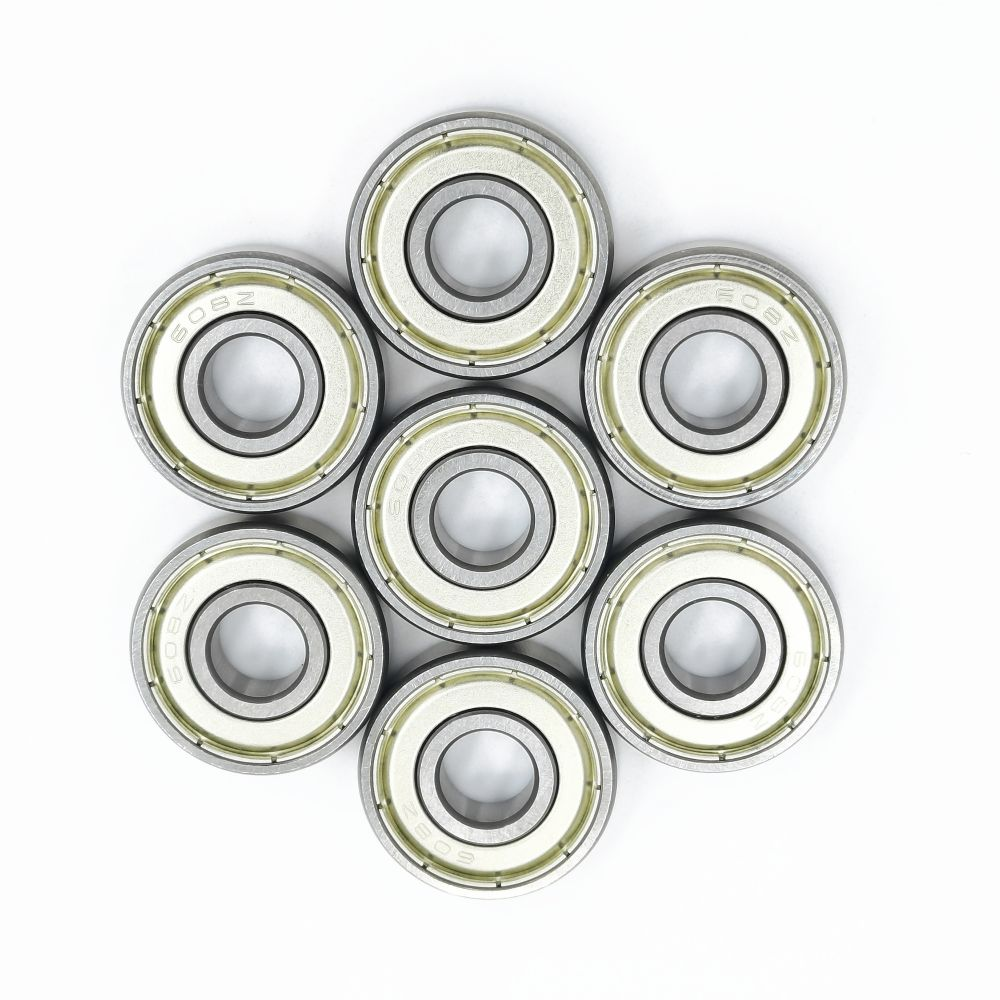
608ZZ Single column Double Iron Sealed Deep Groove Ball Bearing
-
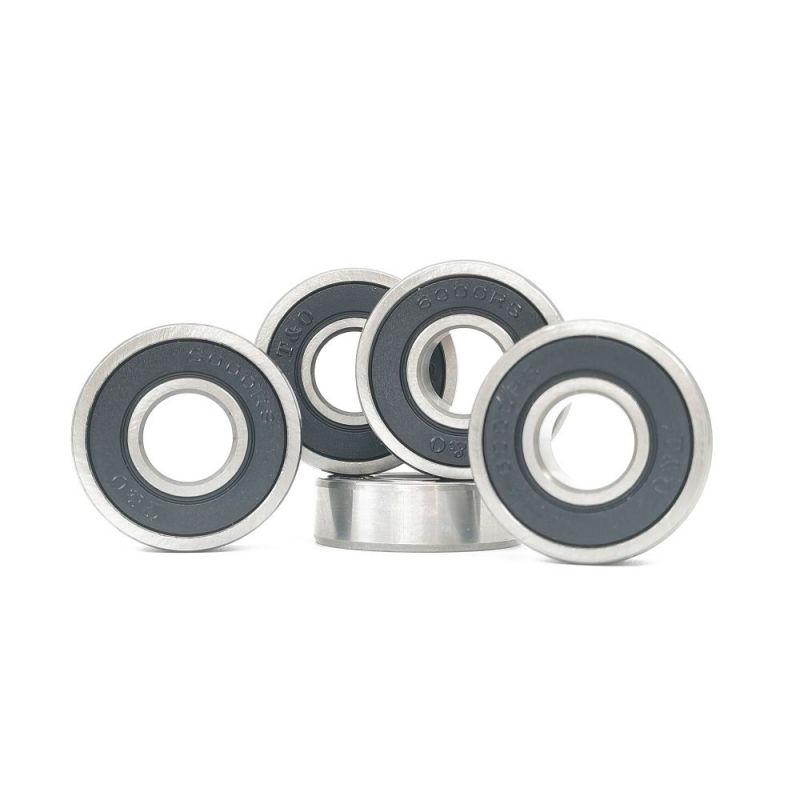
6000RS Carbon steel Double Rubber Sealed Deep Groove Ball Bearings
-
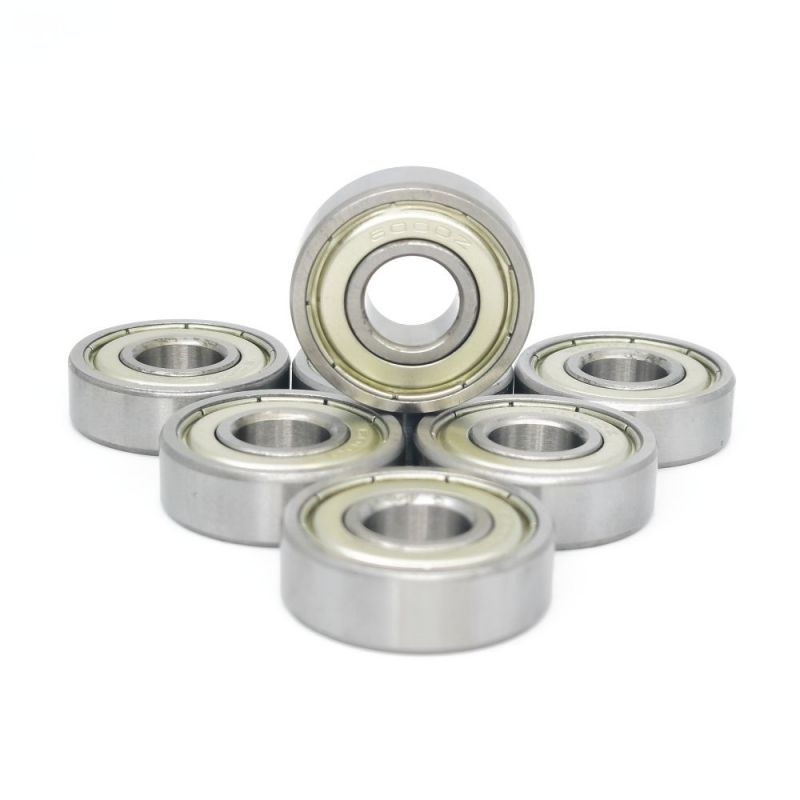
6000ZZ Grease Lubrication Double Iron Sealed Deep Groove Ball Bearing
-
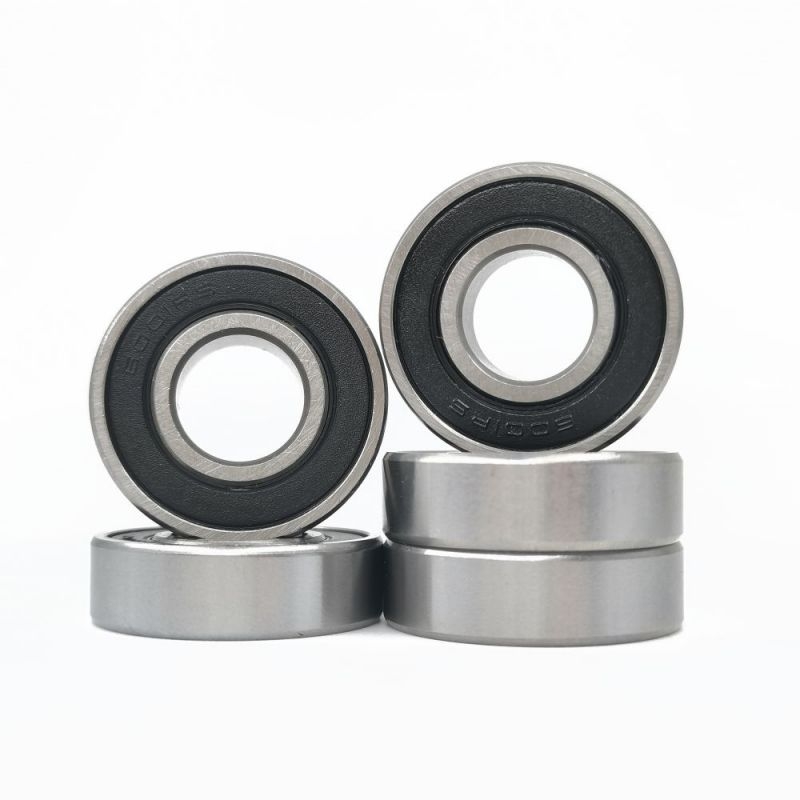
6001RS Double Rubber Sealed Deep Groove Ball Bearings For Motorcycles


Products
CONTACT Us
+86-13362474260 +86-0574-63322565
No. 98 Xinlang Road, Langxia Street, Yuyao City, Zhejiang Province, China
Mobile Site
Copyright© Zhejiang Yingfei Biotechnology Co., Ltd. All Rights Reserved
 Wholesale Motorcycles/Cars Vehicles Bearing Source Factory