
 0
0

 English
 Español
 中文简体
中文简体 عربى
عربى
Industry News

Submit
Submit feedback
How to Keep Your Vehicle Bearings Running Quiet and Smooth
2026-05-13
In the modern automotive industry, various types of bearings play a crucial role. Whether it is a passenger car for daily commuting or a heavy-duty truck for transportation, high-quality vehicles bearings are core components that ensure smooth vehicle operation and reduce frictional loss. This article provides a professional technical analysis of auto bearings, their core classifications, common fault diagnosis, and the parameter differences between truck and car bearings to help you better understand and maintain these "joints" of the vehicle.
Core Classification: Evolution from Individual Bearings to Hub Units
In vehicle architecture, automobile bearings are distributed across the engine, transmission, drivetrain, and suspension/steering systems. Depending on the structure and load-bearing requirements, the most common types include automotive ball bearings and tapered roller bearings.
1. Bearings in Transmission and Accessory Systems
In high-speed rotating accessories such as alternators, tensioners, and air conditioning compressors, ball bearings for a car are widely used due to their low frictional resistance and high speed limits. These bearings are usually equipped with double-sided rubber seals and pre-filled with high-performance grease to achieve maintenance-free, long-life operation.
2. Core Support for Wheel Ends
For the vehicle's driving mechanism, automobile wheel bearings directly bear the vehicle's curb weight and the massive axial tilting forces generated during cornering. Modern passenger vehicles generally use first-generation (double-row angular contact ball bearings), second-generation (with flanged outer ring), or third-generation (with flanges on both rings and integrated sensors) hub units, which greatly improve assembly precision and sealing performance.
Technical Parameter Comparison: Passenger Cars vs. Heavy-Duty Trucks
Different vehicle operating conditions place distinct requirements on bearing load capacity and structural design. For instance, ball bearings on truck differ fundamentally in design logic from standard car bearings. Below is a professional comparison of core technical parameters and characteristics:
| Comparison Parameter | automobile wheel bearings (Car) | bearings on truck (Truck) |
|---|---|---|
| Primary Rolling Element Type | Steel Balls (automotive ball bearings) | Tapered Rollers |
| Primary Load Direction | Radial and Bidirectional Axial (Light/Medium) | Extreme Radial and High Axial |
| Dynamic Load Rating (C) | Lower (optimized for speed and car weight) | Very High (usually 3 to 5 times that of car bearings) |
| Lubrication Method | Lifetime Pre-filled Grease (Maintenance-free) | Grease Maintenance or Gear Oil Lubrication |
| Sealing Structure | Multi-lip Lightweight Integrated Seals | Heavy-duty Mechanical Oil Seals |
As shown in the comparison, bearings on a truck more frequently utilize tapered roller structures to handle the massive impact forces during freight transport, while cars prefer efficient, low-energy ball bearings for a car.
Common Fault Symptoms and Professional Diagnostic Methods
As high-precision mechanical components, if automobile bearings suffer from wear or damage, they directly affect vehicle handling and safety. Below is a professional diagnostic process for auto bearings issues:
1. Noise Diagnosis (Humming or Growling Noise)
When automobile wheel bearings experience fatigue spalling or poor lubrication, the vehicle emits a low-pitched "humming" sound during driving, especially at speeds between 50km/h and 80km/h.
Diagnostic Tip: While ensuring safety, gently sway the steering wheel to simulate lane changes. If the noise intensifies when turning left, it usually indicates the right wheel hub bearing is damaged, and vice versa.
2. Steering Wheel Vibration and Excessive Play
For bearings on truck or heavy vehicles, excessive bearing clearance causes axial movement of the wheel. This not only leads to uneven tire wear but also causes severe steering wheel vibration at high frequencies.
Detection Method: Lift the vehicle using a hoist and shake the tire back and forth by holding it at the 12 o'clock and 6 o'clock positions. If significant play or clearance is felt, the clearance must be adjusted or the vehicles bearings must be replaced immediately.
How to Extend the Service Life of Vehicle Bearings
Whether due to dried-out lubricant or fretting wear, most early failures of automotive ball bearings are related to improper installation and maintenance.
Strictly Control Installation Press Force: When replacing automobile wheel bearings, professional pressing tools must be used. The force must be applied to the tight-fitting race (the inner ring when pressing onto a shaft, or the outer ring when pressing into a housing). Applying force through the rolling elements is strictly prohibited, as it causes "brinelling" (indentations on the raceway).
Focus on Dust and Water Protection: ball bearings on truck often face harsh road conditions. If water enters after seals fail, it destroys the molecular structure of the grease, leading to rapid bearing burnout. Therefore, regular inspection of oil seals is key to ensuring the longevity of bearings on truck.
recommend products
-
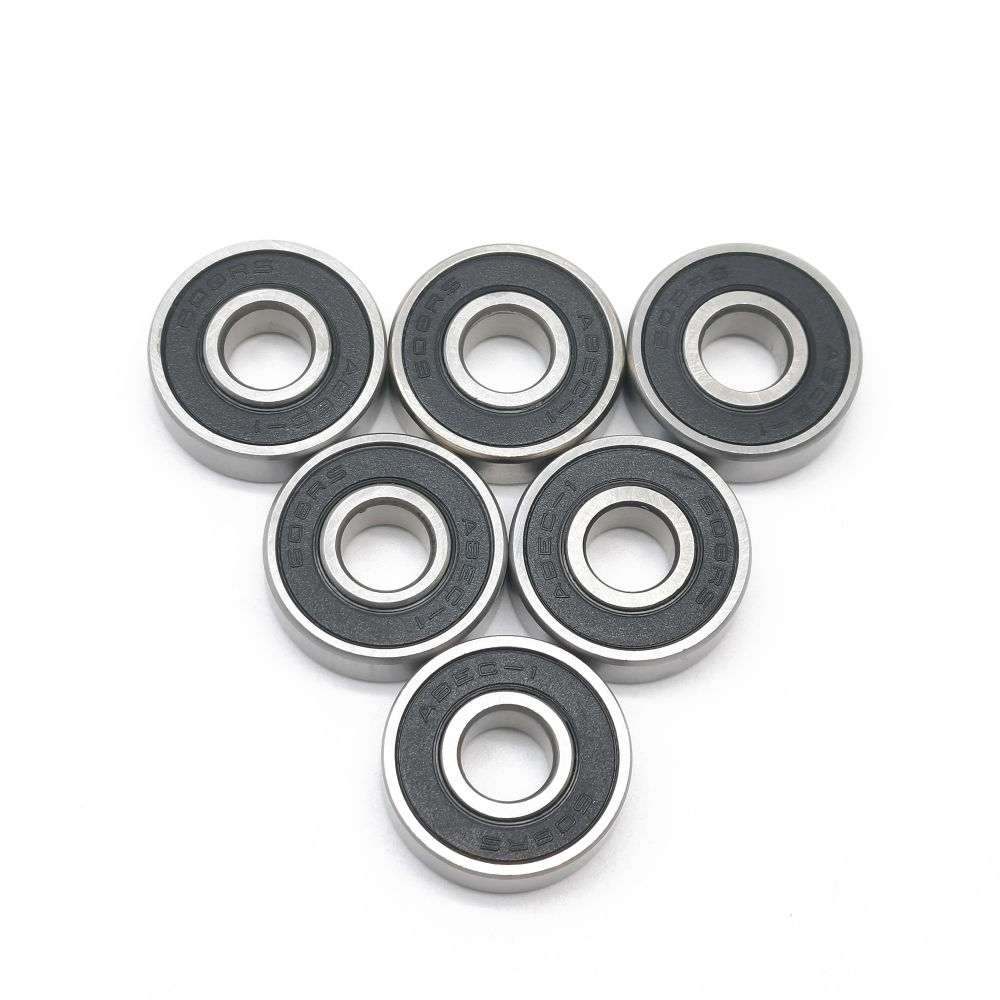


608RS Chrome steel Double Rubber Sealed Deep Groove Ball Bearings
-
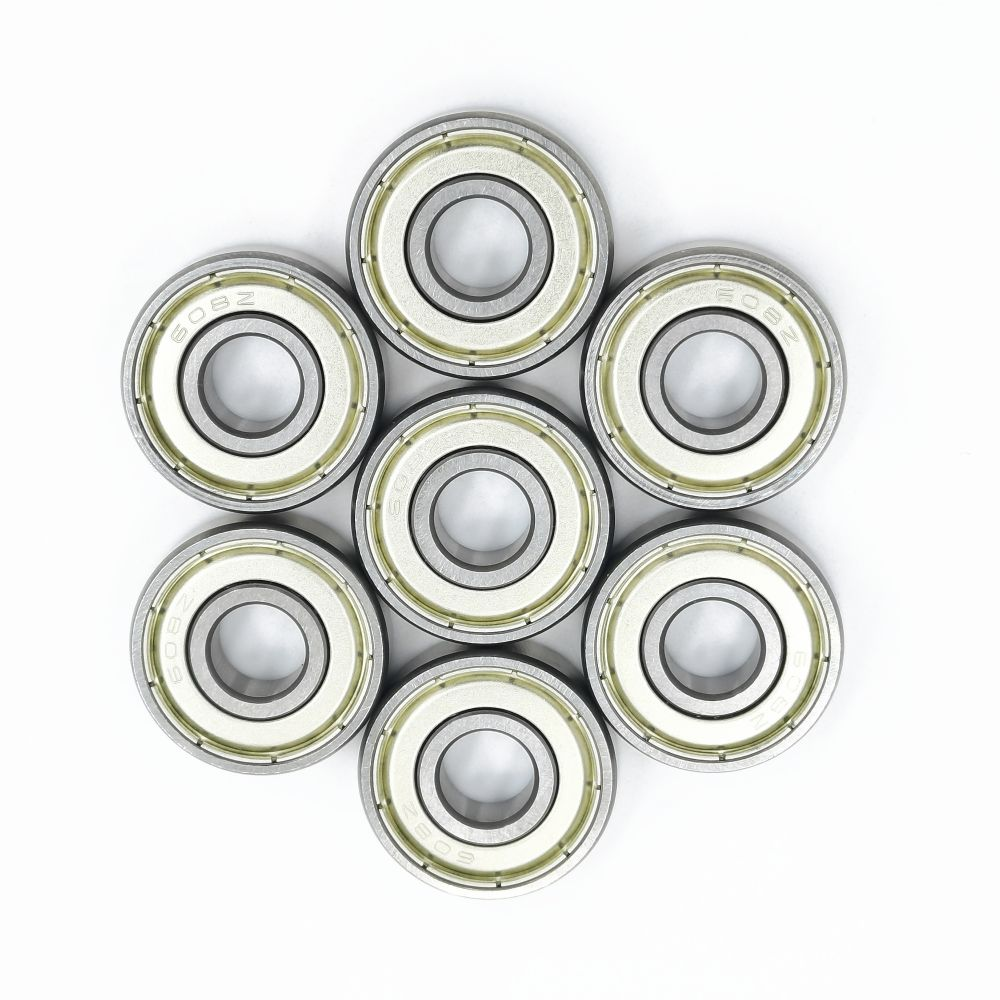
608ZZ Single column Double Iron Sealed Deep Groove Ball Bearing
-
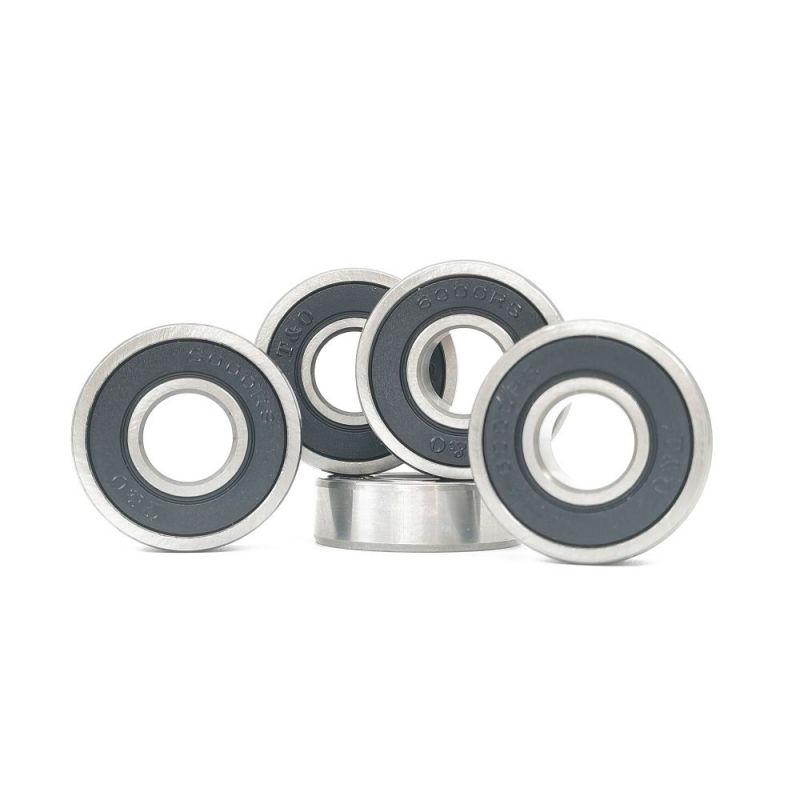
6000RS Carbon steel Double Rubber Sealed Deep Groove Ball Bearings
-
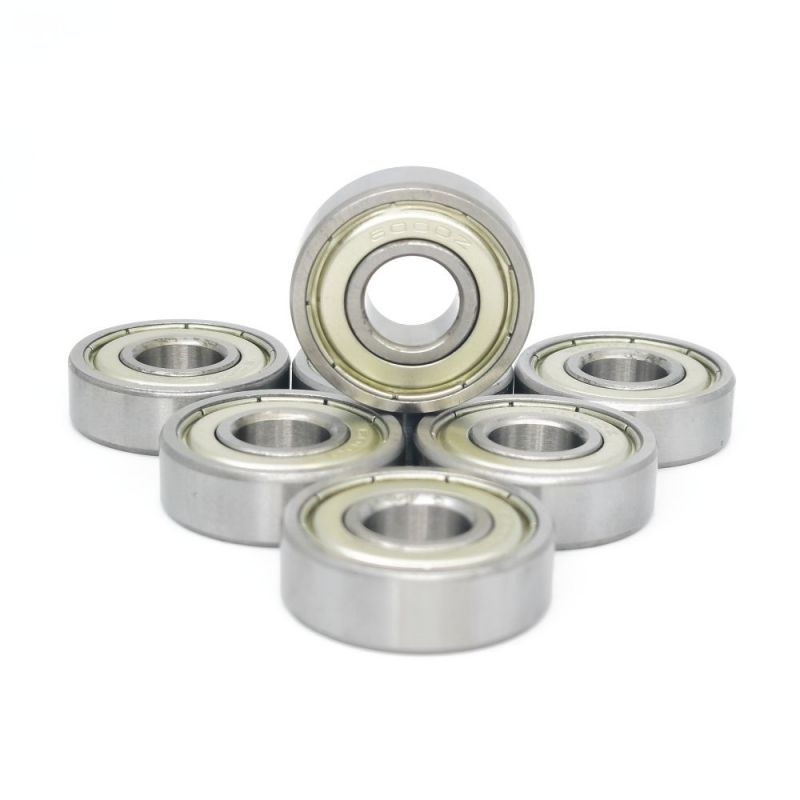
6000ZZ Grease Lubrication Double Iron Sealed Deep Groove Ball Bearing
-
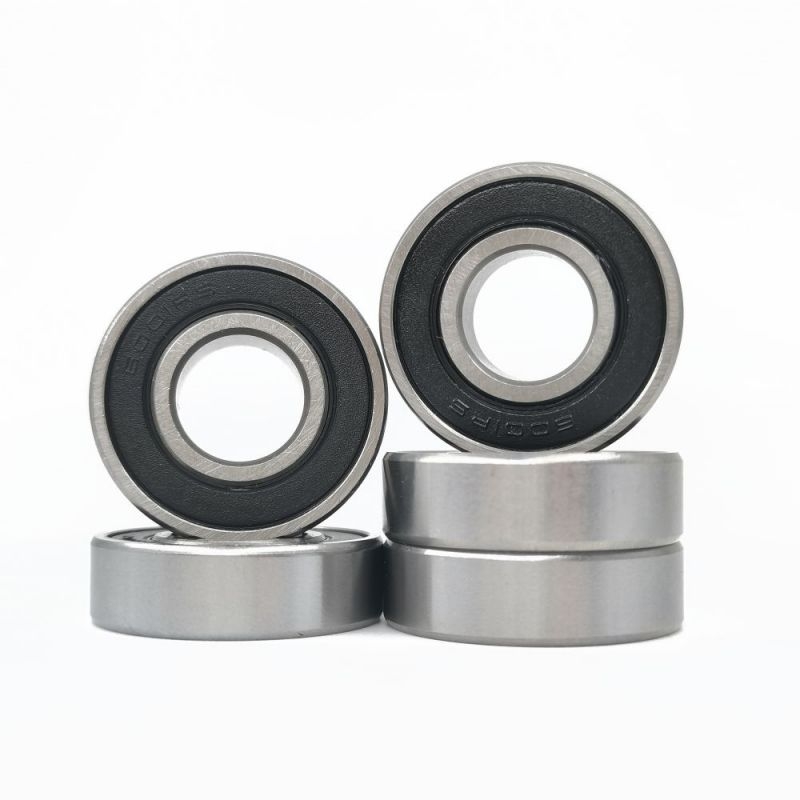
6001RS Double Rubber Sealed Deep Groove Ball Bearings For Motorcycles


Products
CONTACT Us
+86-13362474260 +86-0574-63322565
No. 98 Xinlang Road, Langxia Street, Yuyao City, Zhejiang Province, China
Mobile Site
Copyright© Zhejiang Yingfei Biotechnology Co., Ltd. All Rights Reserved
 Wholesale Motorcycles/Cars Vehicles Bearing Source Factory