
 0
0

 English
 Español
 中文简体
中文简体 عربى
عربى
Industry News
Home / News / Industry News / How to Select the Right Deep Groove Ball Bearings: 6301-6312 Model Guide

2026-05-27
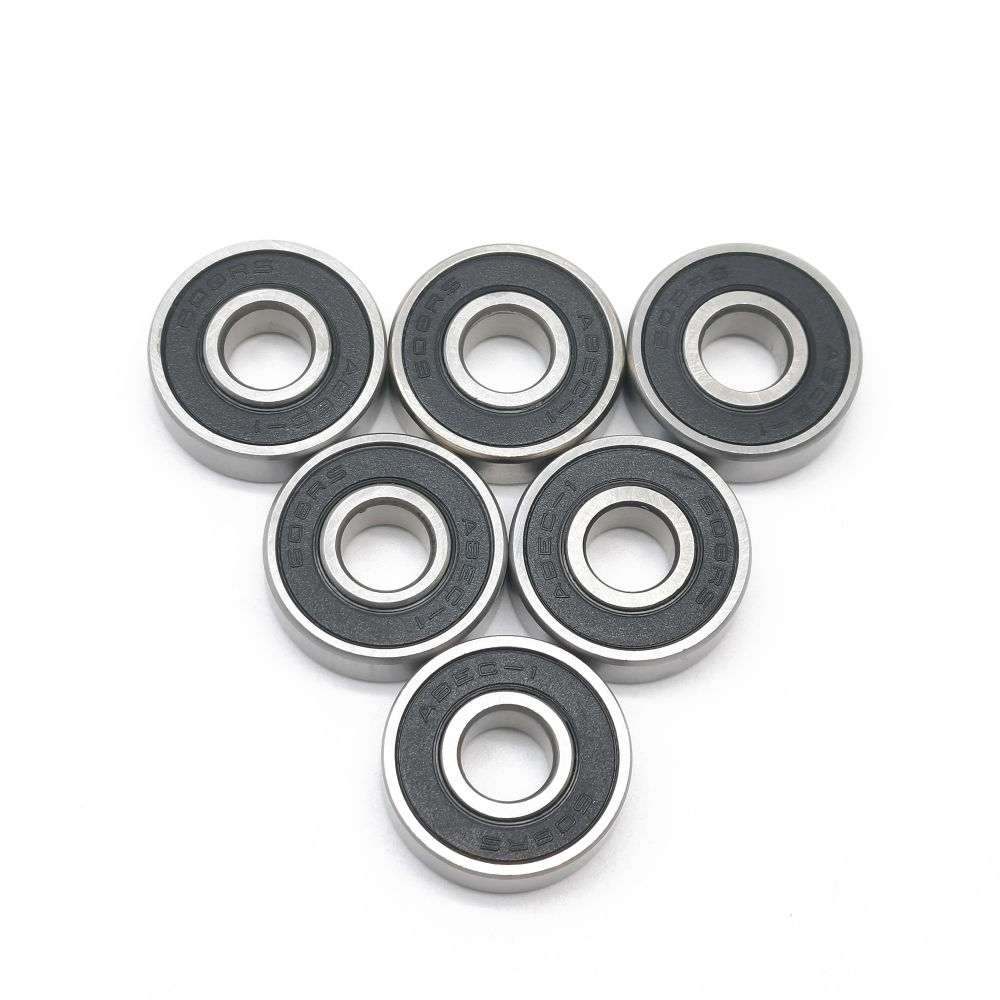
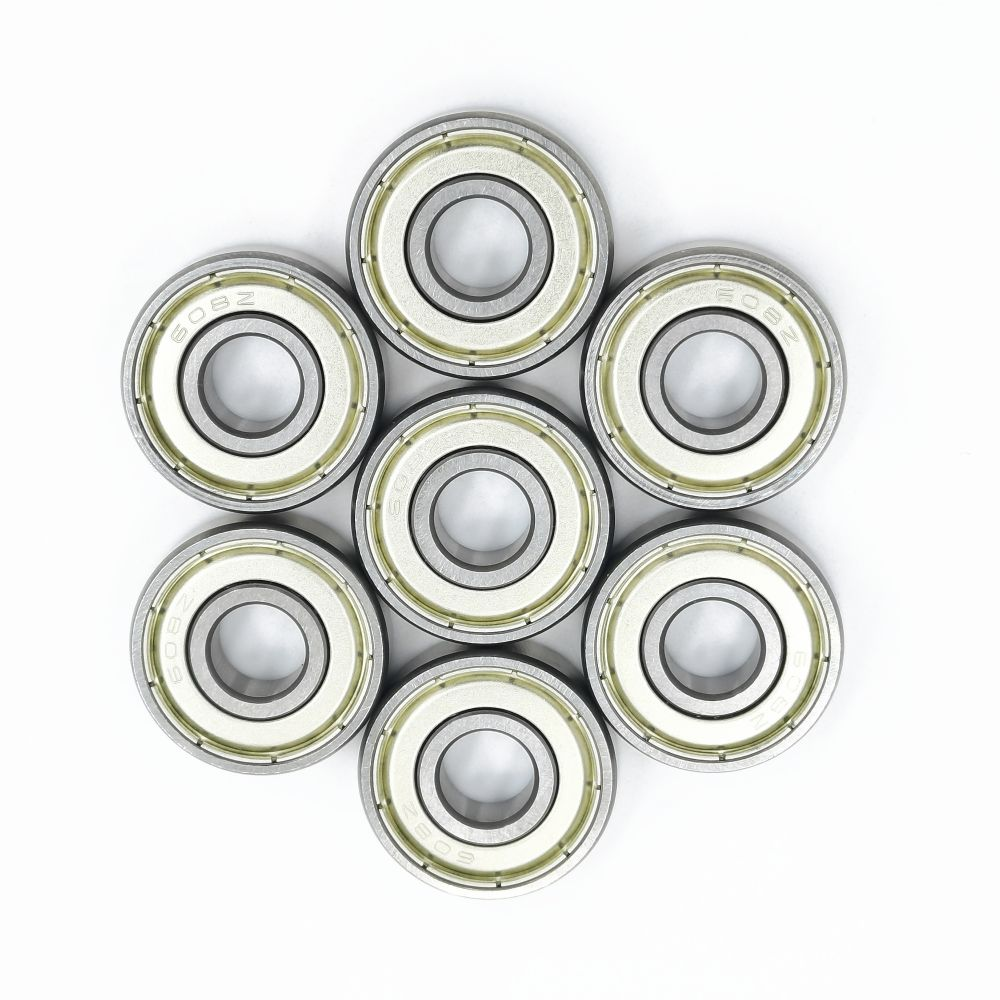
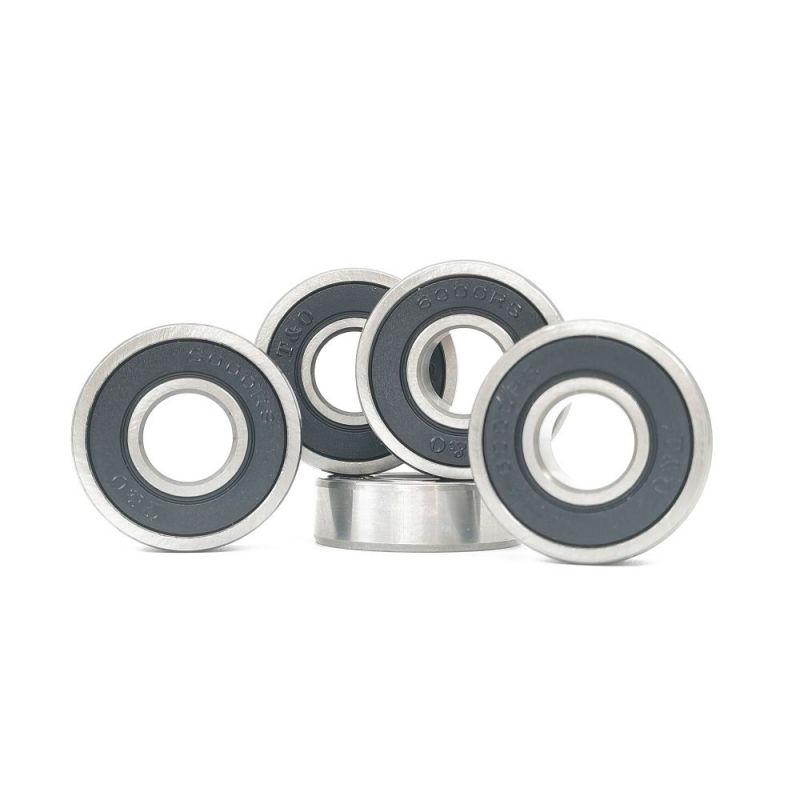
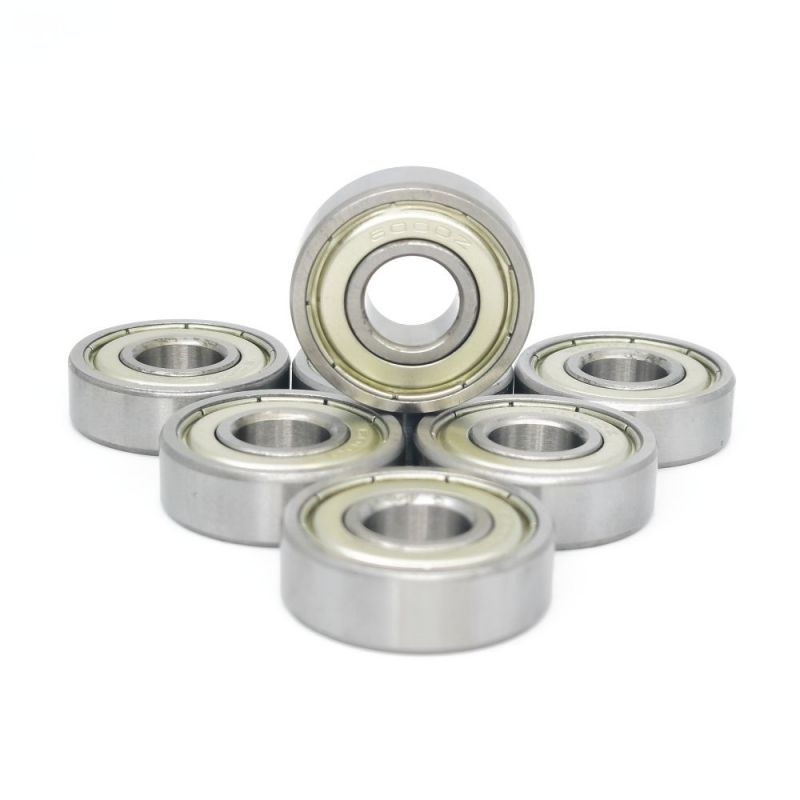
Deep Groove Ball Bearings are among the most widely used types of rolling bearings in industrial equipment. Due to their simple structure, low friction coefficient, high limiting speed, and ability to withstand both radial and axial loads, they occupy a core position in electric motors, machine tools, automotive manufacturing, and precision instruments. In practical application and maintenance, accurately identifying and selecting the appropriate bearing model is critical to ensuring efficient and stable equipment operation.
The design of Deep Groove Ball Bearings is based on simple geometric logic: the curvature radius of the raceway on the inner and outer rings is slightly larger than the radius of the steel ball. This design allows the bearing to withstand axial loads while carrying radial loads. The main process advantages include:
In the 63 series bearings, the digit 6 represents Deep Groove Ball Bearings, 3 represents the dimension series, and the last two digits multiplied by 5 represent the inner diameter in mm. Below is the technical positioning comparison for specifications including 6301, 6305, 6306, 6307, 6309, and 6312.
| Bearing Model | Inner Diameter (mm) | Outer Diameter (mm) | Width (mm) | Dynamic Load Rating (kN) | Static Load Rating (kN) |
| 6301 | 12 | 37 | 12 | 9.95 | 4.75 |
| 6305 | 25 | 62 | 17 | 22.5 | 11.6 |
| 6306 | 30 | 72 | 19 | 28.1 | 15.3 |
| 6307 | 35 | 80 | 21 | 33.2 | 19.0 |
| 6309 | 45 | 100 | 25 | 52.7 | 31.5 |
| 6312 | 60 | 130 | 31 | 81.9 | 52.0 |
The rated load of the bearing is the benchmark for selection. For large bearings like the 6312, the load-bearing capacity is substantial, making it suitable for large transmission systems. Conversely, the 6301 is commonly used in small household appliances or small servo motors due to its compact size. If the operating load consistently exceeds 80 percent of the rated load, it is recommended to prioritize higher-grade material specifications.
The limiting speed of Deep Groove Ball Bearings is affected by cage design, lubrication method, and clearance. For instance, when using grease lubrication, the performance difference between the 6305 and 6306 is significant. When the ambient temperature is high, one should consider increasing the radial clearance to compensate for thermal expansion during bearing operation, preventing potential seizure.
Installation quality directly determines the service life of the bearing. It is recommended to use dedicated installation tools for cold mounting to avoid direct hammering on the inner or outer rings, which can cause raceway damage. For sealed bearings, lubricant is pre-filled at the factory; cleaning or removing the seals is strictly prohibited, as it destroys the pre-set lubrication environment.
In actual operation, bearing failure often manifests as abnormal noise, severe heating, or increased vibration.


Products
CONTACT Us
Mobile Site
Copyright© Zhejiang Yingfei Biotechnology Co., Ltd. All Rights Reserved
 Wholesale Motorcycles/Cars Vehicles Bearing Source Factory