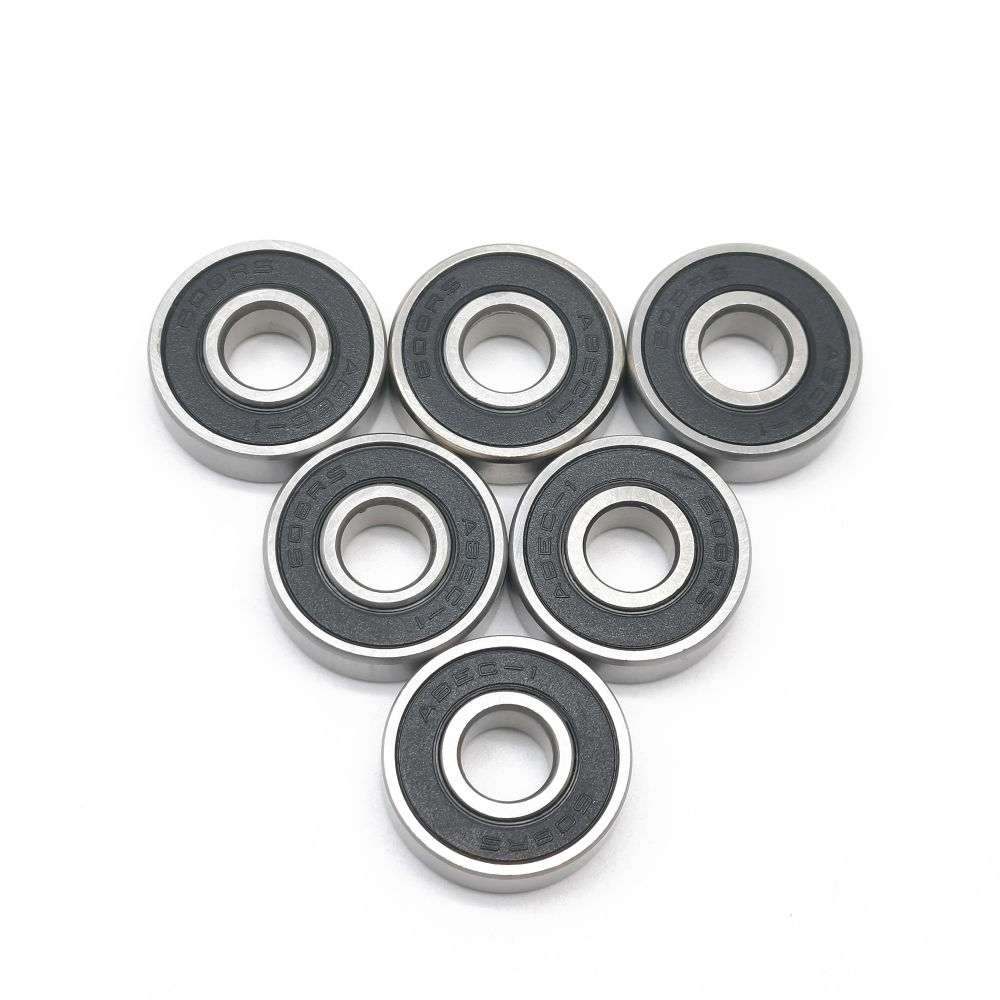
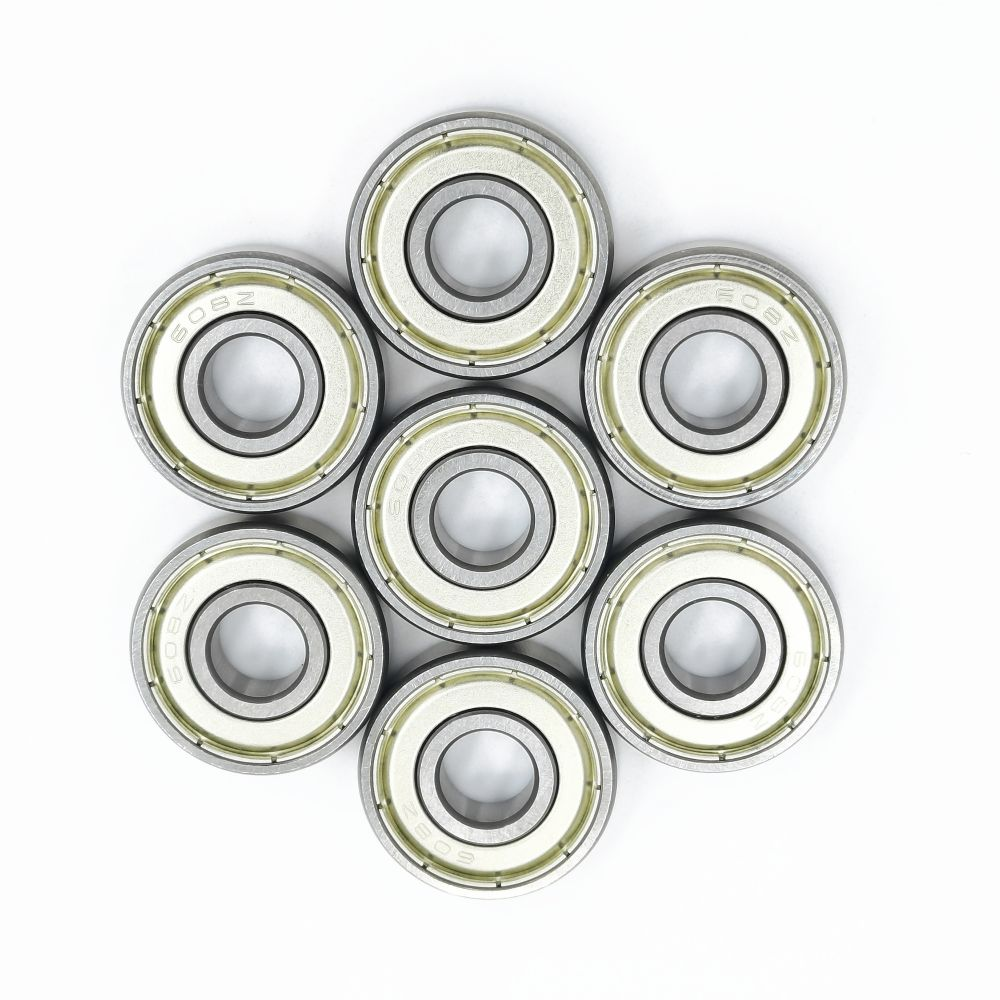
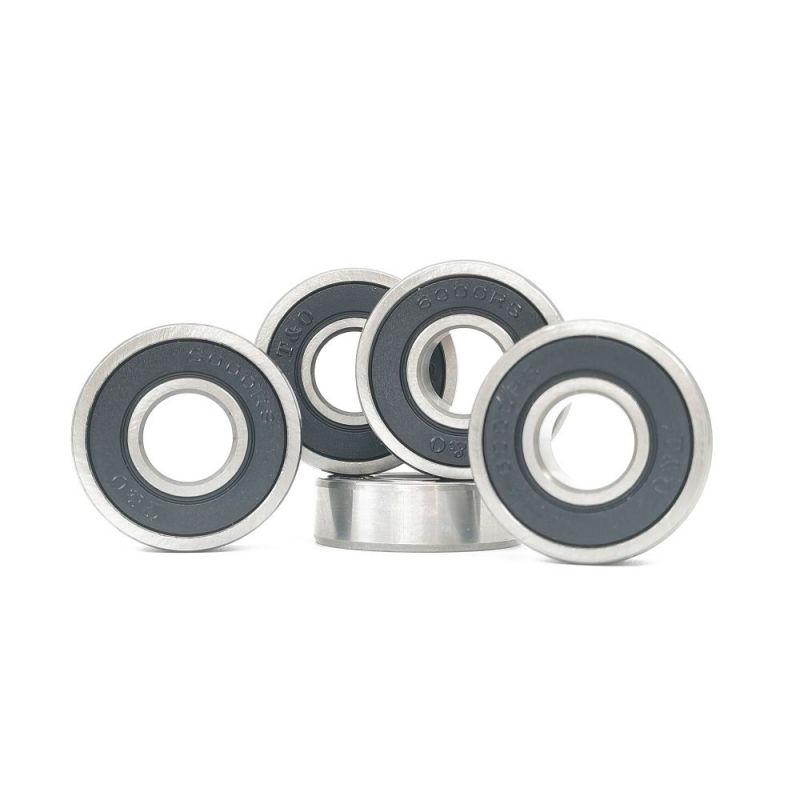
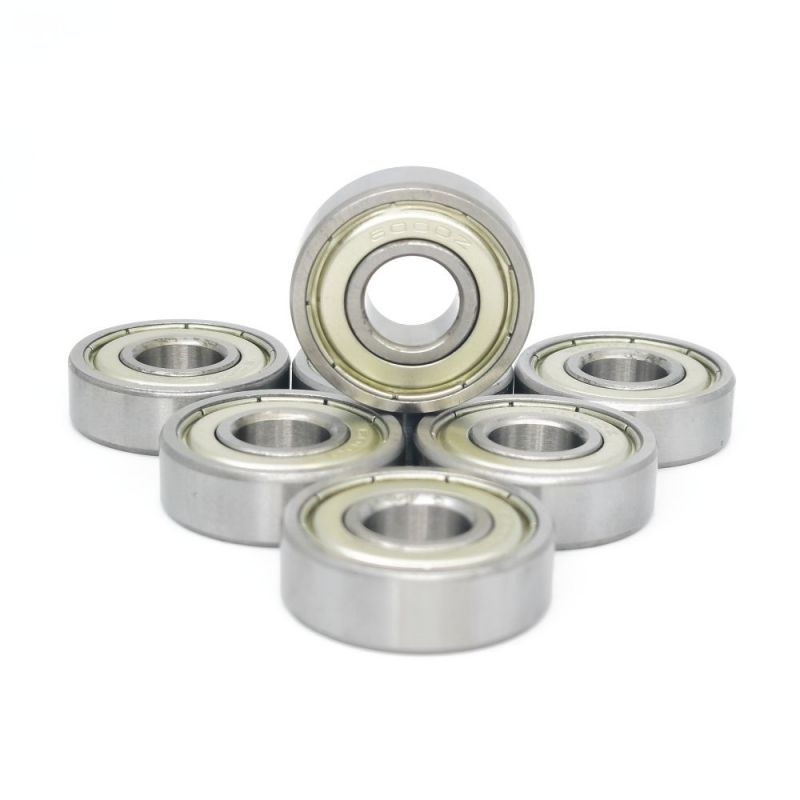
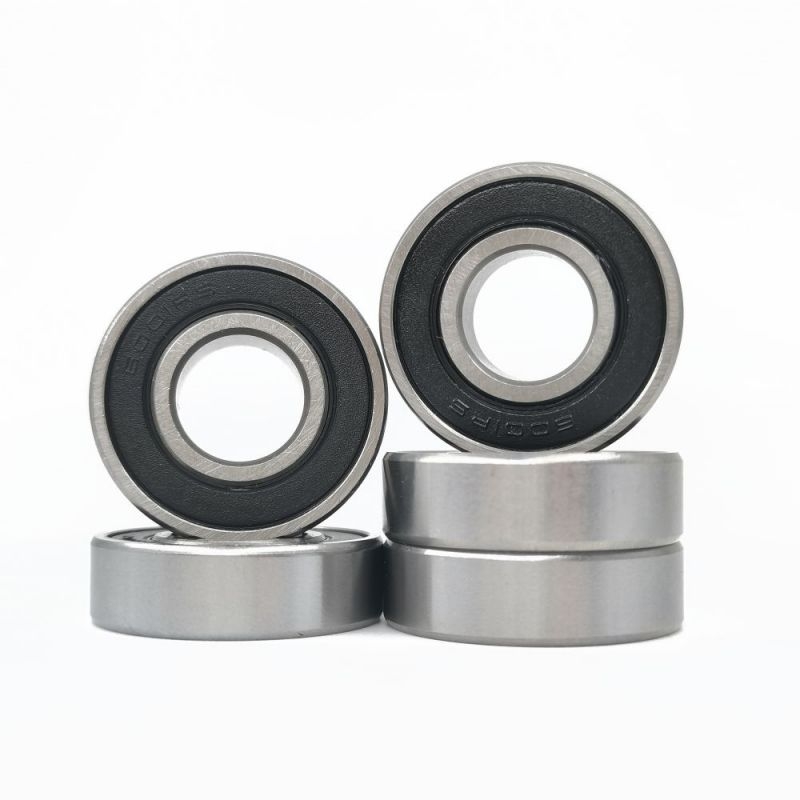
Single-row double iron sealed deep groove ball bearings are widely used in motors, fans, automotive wheel hubs, and various industrial machinery. The installation and removal process of these bearings directly affects the operational performance and service life of the equipment. Improper handling can lead to bearing damage, seal failure, or equipment malfunction. Understanding proper protective measures and operational requirements is essential for ensuring long-term stable operation.
Preparations Before Removal
Before removing the bearing, a thorough inspection and cleaning of the equipment is necessary. Dust, oil, and debris around the bearing must be cleared. Prepare the required tools, including pullers, bearing heaters, inner and outer ring support tools, protective gloves, and safety glasses. Verify the bearing model, dimensions, and installation position to prevent accidental damage during removal. Document the bearing’s operational history, such as running time, temperature, and load conditions, to provide reference data for maintenance or replacement.
Removal Operational Requirements
During removal, avoid directly striking the inner or outer rings to prevent surface pitting or cracks. Use specialized pullers or controlled heating methods to apply uniform force and prevent deformation. For interference-fit bearings, uniformly heat the outer ring to the recommended temperature to allow the inner ring to loosen naturally, avoiding forced removal. Ensure the bearing and seals remain uncontaminated and protected from dust and moisture. Operators should wear protective gloves and safety glasses to prevent injury from metal fragments or oil.
Cleaning and Inspection
After removal, perform a thorough inspection of the bearing and seals. Check the rolling elements, raceways, and cage for wear, spalling, cracks, or corrosion. Clean the bearing surfaces using professional cleaning agents or industrial alcohol. Inspect the seals for elasticity and integrity to ensure proper dust and moisture protection during reinstallation. Replace any damaged or aged components to avoid compromising bearing life and equipment reliability.
Protective Measures Before Installation
Before installing the bearing, ensure the working environment is clean and dry to prevent contamination. Apply appropriate lubrication using grease or oil that matches the operational conditions. Ensure the inner and outer rings are properly aligned to avoid eccentricity, which can cause uneven loading on the rolling elements. Use specialized tools to apply force evenly, avoiding impacts on the rolling elements or seals. For tight-fit bearings, heating the outer ring can facilitate smooth installation through thermal expansion.
Post-Installation Checks and Adjustments
After installation, rotate the bearing manually to confirm smooth operation without binding or abnormal noise. Verify that the seals are properly seated to maintain dust and moisture protection. Measure bearing clearance and alignment to ensure compliance with equipment specifications. For high-speed applications, perform a no-load trial run while monitoring temperature rise and vibration, addressing any abnormalities immediately. Document installation date and operator information to support future maintenance and troubleshooting.
Safety and Protective Considerations
Operators should wear protective gloves, safety glasses, and appropriate clothing during installation and removal. Avoid direct hand contact with rolling elements and seals to prevent contamination and injury. Use only specialized and approved tools; never strike bearings with hammers or pry bars. Maintain a clean environment, free from dust, moisture, or corrosive substances. Follow all equipment safety protocols to ensure the safety of personnel and machinery.

 0
0

 English
 Español
 中文简体
中文简体 عربى
عربى