
 0
0

 English
 Español
 中文简体
中文简体 عربى
عربى
Industry News
Home / News / Industry News / What are the advantages and disadvantages of deep groove ball bearings in terms of load adaptability in sports equipment

2026-01-05
In sports equipment such as skateboards, bicycles, fitness machines, inline skates, and skiing devices, bearing load adaptability plays a decisive role in smooth operation, service life, and user safety. Deep groove ball bearings and angular contact bearings are two of the most commonly used rolling bearing types in sports gear. Their structural differences lead to significant variations in how they handle loads, making them suitable for different mechanical environments.
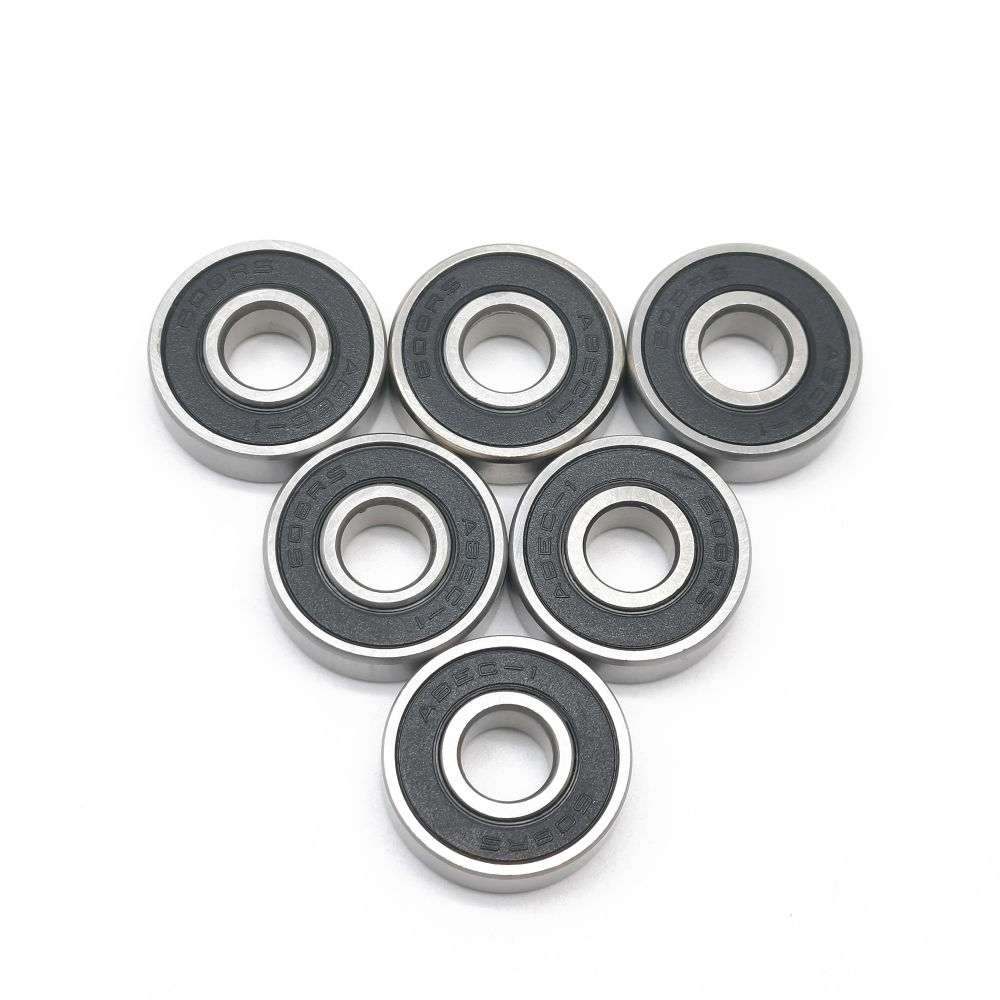
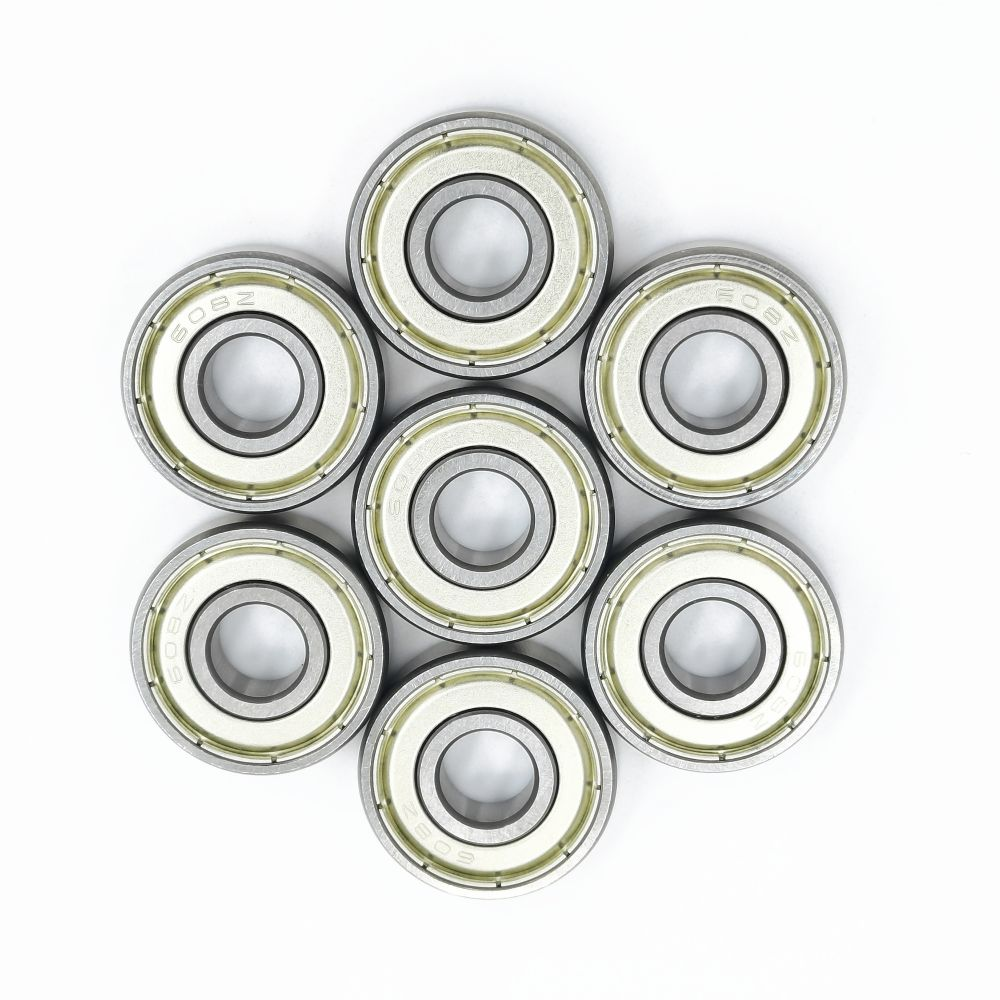
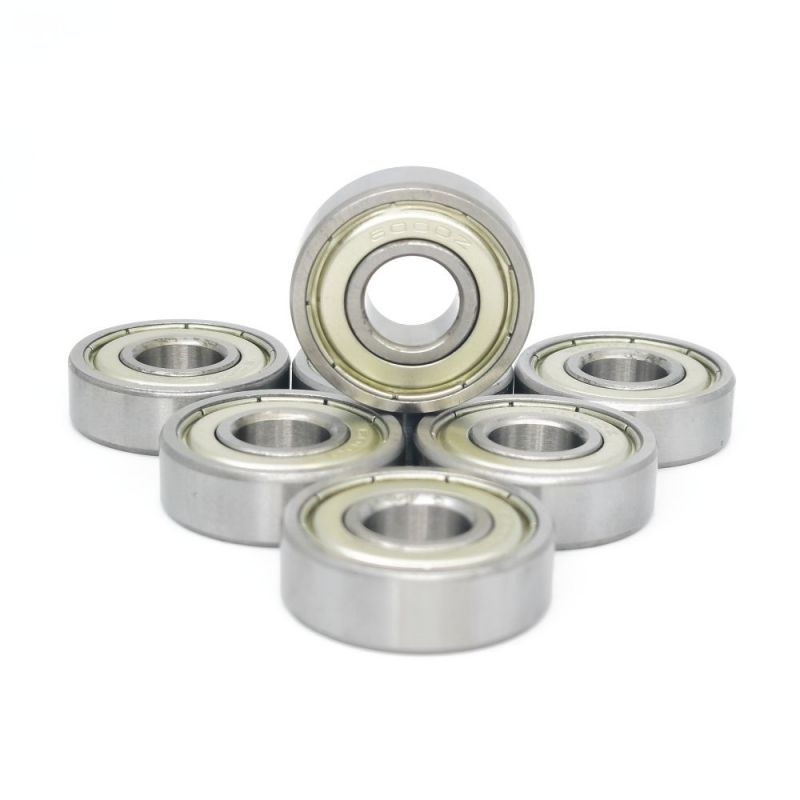
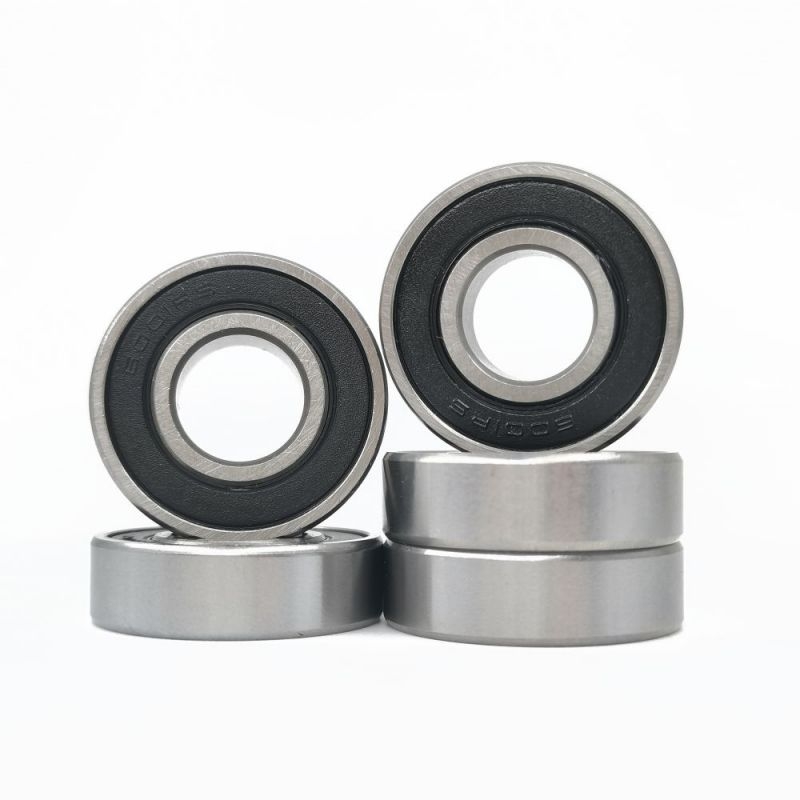
Deep groove ball bearings feature symmetric deep raceway grooves on both the inner and outer rings. This geometry creates a large contact arc between the balls and raceways, allowing the bearing to support both radial and axial loads simultaneously. In sports equipment, where rotating components experience mixed loads from multiple directions, this structural design provides exceptional stability.
Wheel hubs, rollers, and shafts in sports gear are subjected primarily to radial loads caused by body weight and motion, while axial loads occur during turning, braking, and side impacts. Deep groove ball bearings can accommodate these combined loads within a single bearing unit, eliminating the need for complex bearing arrangements.
Angular contact bearings are designed with a contact angle between the balls and raceways, enabling them to support high axial loads in one direction in addition to radial loads. The load path inside the bearing is directional, making it highly suitable for precision systems that require rigid axial positioning.
In sports equipment, however, axial loads change direction frequently due to movement, vibration, and impacts. Angular contact bearings must be mounted in matched pairs or sets to handle bidirectional axial forces, increasing structural complexity and installation requirements.
Deep groove ball bearings are optimized primarily for radial loads. Their deep raceways allow balls to distribute forces evenly over a larger contact area. This is especially important in sports gear where loads fluctuate due to jumps, road vibrations, and sudden acceleration.
Angular contact bearings can carry radial loads, but their performance depends on the contact angle. Because their geometry prioritizes axial rigidity, they are less tolerant of shock-type radial loads commonly found in sports equipment.
One of the major advantages of deep groove ball bearings is their ability to handle axial loads in both directions. In skating, cycling, and fitness equipment, lateral and thrust forces are continuously changing, especially during turns and rapid direction changes.
Angular contact bearings, by contrast, can support axial load only in one direction. To handle bidirectional axial forces, two or more bearings must be arranged in specific configurations, increasing cost and reducing space efficiency.
Sports equipment often operates under high-impact conditions. Landing from jumps, uneven terrain, and sudden braking generate shock loads that act on bearings. Deep groove ball bearings, with their centered ball positioning and deep raceways, maintain stable load distribution even under impact.
Angular contact bearings are more sensitive to off-axis and impact loads. Forces not aligned with the contact angle can cause localized stress on raceways, leading to premature fatigue and surface damage.
Deep groove ball bearings are highly tolerant of minor installation errors such as shaft misalignment and housing inaccuracies. This makes them ideal for mass-produced sports equipment where perfect alignment cannot always be guaranteed.
Angular contact bearings require precise alignment and controlled preload. Any deviation can alter internal load distribution, increasing friction and reducing bearing life.
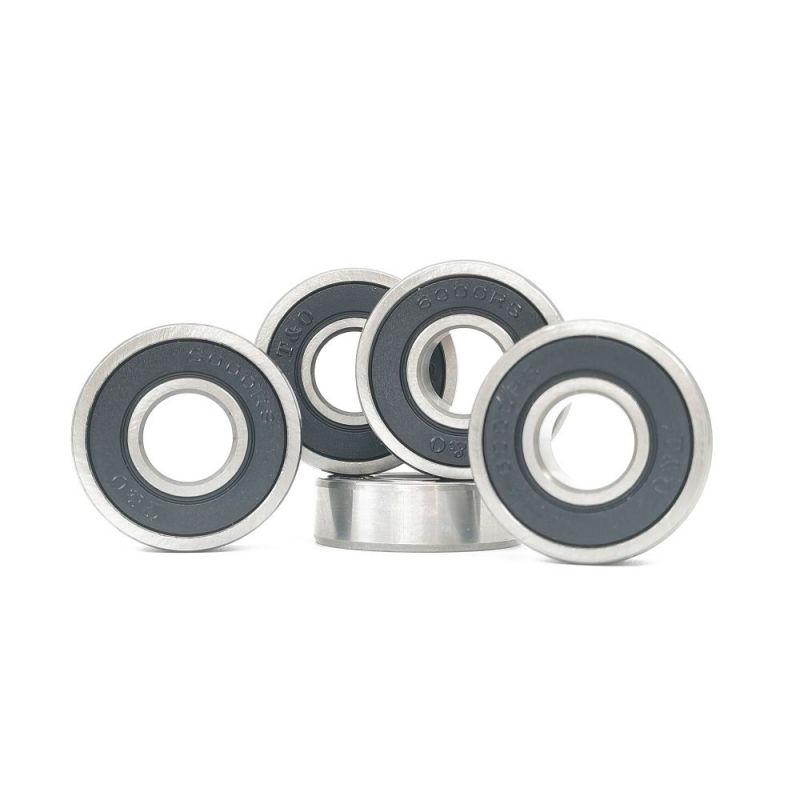
Applications such as skateboard wheels, bicycle hubs, treadmill rollers, and inline skate axles require bearings that can withstand varying radial loads, changing axial forces, and frequent impacts. Deep groove ball bearings provide a balanced and reliable solution in these environments.
Angular contact bearings are more suitable for specialized systems that demand high stiffness and stable axial loads, such as high-speed racing components or precision transmission modules, but they are less adaptable to the unpredictable load conditions of most sports gear.
Deep groove ball bearings offer superior load adaptability in sports equipment due to their ability to handle radial and bidirectional axial loads, absorb impact forces, tolerate installation deviations, and maintain stable operation under fluctuating conditions.
Compared with angular contact bearings, deep groove ball bearings provide greater versatility and durability in the dynamic, high-impact, and variable-load environments typical of sports equipment, making them the preferred bearing solution for most athletic and recreational applications.


Products
CONTACT Us
Mobile Site
Copyright© Zhejiang Yingfei Biotechnology Co., Ltd. All Rights Reserved
 Wholesale Motorcycles/Cars Vehicles Bearing Source Factory