
 0
0

 English
 Español
 中文简体
中文简体 عربى
عربى
Industry News

Submit
Submit feedback
What is the difference between deep groove and normal ball bearings
2026-02-02
Deep Groove Ball Bearings Fundamentals: Definition
Deep Groove Ball Bearings are the most representative type of rolling bearings. The core design feature is that both the inner and outer rings have continuous deep-groove raceways. The cross-section of these raceways is arc-shaped, with a radius slightly larger than that of the rolling elements, creating a near-perfect point contact between the balls and the raceways.
Basic Construction Components
Outer Ring: Installed in the bearing housing bore, usually stationary. Inner Ring: Installed on the rotating shaft, rotating synchronously with the shaft. Rolling Elements (Steel Balls): High-precision steel balls that roll between the inner and outer raceways to transmit loads. Cage: Evenly spaces the steel balls to prevent friction and collision, guiding them along the track. Seals/Shields: Optional components used to prevent grease leakage and keep contaminants out.
Geometric Advantages of the "Deep Groove" Design
Compared to shallow-groove bearings, Deep Groove Ball Bearings have deeper channels, providing excellent geometric consistency. This design allows the bearing to handle radial loads and maintain stability at very high speeds, while also accommodating axial loads from both directions.
Reasons for Wide Application
Due to their simple structure, ease of achieving high manufacturing precision, low friction torque, and low maintenance costs, Deep Groove Ball Bearings are the most widely used and produced bearing type in global industry.
Deep Groove Ball Bearings and Common Bearings Core Differences
In industrial applications, bearing selection depends on specific operating conditions. The following table compares key parameters of Deep Groove Ball Bearings with other common "normal" bearing types:
Parameter Comparison Table
| Feature | Deep Groove Ball Bearing | Angular Contact Ball Bearing | Cylindrical Roller Bearing | Self-aligning Ball Bearing |
| Load Direction | Primarily Radial, plus some Bi-directional Axial | Radial + One-way Axial | Pure Radial (Primarily) | Primarily Radial, minimal Axial |
| Speed Limit | Extremely High | High to Extremely High | Medium | High |
| Friction Torque | Minimal | Low | Higher | Low |
| Axial Capacity | Medium | High (One-way) | Extremely Low | Low |
| Alignment Error | 8' to 16' (arc minutes) | 2' to 10' | 2' to 4' | 2.5 to 3 (degrees) |
| Installation | High Flexibility | Lower (Usually paired) | High | High |
Detailed Core Differences
1. Load Characteristic Differences Deep Groove Ball Bearings: These are versatile and can handle combined loads in most motors and machinery. Angular Contact Bearings: Specifically designed for heavy one-way axial loads with contact angles of 15, 25, or 40 degrees, whereas deep groove bearings have a 0 degree contact angle when unloaded. 2. Speed Performance Differences Because the rolling elements in Deep Groove Ball Bearings are spherical and have a small contact area, they generate the least frictional heat, allowing for higher limiting speeds than cylindrical roller bearings of the same size. 3. Alignment Capability Differences Deep Groove Ball Bearings require high alignment accuracy. Significant shaft bending or housing misalignment will increase internal stress. In contrast, self-aligning bearings are specifically designed to compensate for such axis deviations. 4. Cost and Maintenance Deep Groove Ball Bearings have the simplest structure and do not involve complex clearance adjustments, making them more cost-effective in terms of procurement and installation compared to precision angular contact bearings.
Main Classifications of Deep Groove Ball Bearings
Based on sealing forms and structural characteristics, Deep Groove Ball Bearings are divided into four common configurations. The choice of sealing directly affects limiting speed, protection level, and maintenance cycles.
Sealing and Structure Comparison Table
| Feature | Open | Metal Shields (ZZ) | Rubber Seals (2RS/DDU) | Snap Ring Groove (N/NR) |
| Seal Material | None | Pressed Steel | Synthetic Rubber + Steel | Varies by seal type |
| Seal Nature | Completely Open | Non-contact | Contacting | With positioning groove |
| Protection | Very Low | Medium (Large particles) | Very High (Dust/Water) | Varies |
| Friction Torque | Lowest | Low | Higher | Varies |
| Speed Limit | 100% (Highest) | ~90% - 100% | ~60% - 70% | Same as left |
| Lubrication | External Oil/Grease | Pre-filled Grease | Pre-filled Grease | Flexible |
Structural Feature Details
Open Bearings: Suitable for internal machinery with clean environments and circulating oil lubrication systems. ZZ Type (Metal Shields): There is a tiny gap between the shield and the inner ring. Low friction and fast heat dissipation make them ideal for high-speed, dry environments. 2RS Type (Rubber Seals): The seal lip contacts the inner ring, effectively blocking water and fine dust. These are usually lubricated for life and maintenance-free. Snap Ring Type (N/NR): Features a groove on the outer ring for a snap ring, simplifying axial positioning within the housing and saving installation space.
Technical Parameters and Selection Standards
In selecting Deep Groove Ball Bearings, accuracy grades, clearance, and materials are the core parameters determining service life.
1. Accuracy Grades
The accuracy of Deep Groove Ball Bearings is divided into dimensional accuracy and rotational accuracy (ISO/GB standards): P0 (Normal): Suitable for general mechanical transmissions. P6 / P5 (Precision): Used for motors and machine tool spindles requiring lower vibration and runout. P4 / P2 (Ultra-Precision): Used for high-end instruments requiring extremely low radial runout.
2. Radial Clearance
Clearance is the internal gap between the balls and raceways, affecting noise and heat. CN (Standard): The first choice for conventional operating conditions. C3 (Large): Most commonly used in motors. The C3 clearance compensates for thermal expansion of the inner ring during operation, preventing the bearing from seizing. C2 (Small): Used for precision applications requiring high rigidity and reduced vibration.
3. Material Options
Different materials for Deep Groove Ball Bearings offer varying corrosion resistance and load capacities:
| Material Type | Common Grade | Advantages | Disadvantages |
| Chrome Steel | GCr15 | Very high hardness, wear resistant, high load | Rusts easily without oil |
| Stainless Steel | AISI 440C | Excellent water/corrosion resistance | ~20% lower load/hardness |
| Hybrid Ceramic | Silicon Nitride Balls | High insulation, ultra-high speed, low heat | High cost, lower shock resistance |
Typical Application Scenarios
Due to their high cost-performance ratio and versatility, Deep Groove Ball Bearings cover fields from precision instruments to heavy machinery. Home Appliances & Office Equipment: Washing machine drums, vacuum cleaner motors, air conditioner fans, printer drive shafts. Key Requirements: Low noise, low vibration, long life. Automotive Industry: Alternators, AC compressors, transmission support shafts, electronic power steering. Key Requirements: High temperature resistance, high speed stability, compact structure. Industrial Precision Equipment: Small to medium electric motors, pumps and compressors, textile machinery, automated assembly lines. Key Requirements: High rotational accuracy, low maintenance, multi-directional load handling. Special Environments: Stainless steel Deep Groove Ball Bearings for food processing machinery or medical devices. Key Requirements: Corrosion resistance, hygiene standards.
Frequently Asked Questions (FAQ)
Q1: Can Deep Groove Ball Bearings handle side (axial) thrust?
A: Yes. Due to the deep groove design, they can handle axial loads from both directions. Typically, they can withstand 25% to 50% of the rated radial load as an axial load. If the axial load ratio is higher, a larger radial clearance (like C3) should be selected.
Q2: Why does my bearing overheat after running for a while?
A: Common causes include: Lubrication issues: Too much grease causing churning heat, or insufficient lubrication. Tight Fit: Improper tolerance between the shaft/housing and the bearing, causing internal clearance to disappear. Misalignment: The shaft and housing are not concentric, causing abnormal stress on the balls.
Q3: Which is more heat-resistant, ZZ or 2RS seals?
A: Generally, ZZ (Metal Shields) are more heat-resistant. 2RS (Rubber Seals): Limited by the seal material (usually NBR), with a limit around 120 degrees Celsius. ZZ (Metal Shields): These are non-contact and do not generate friction heat; the limit depends on the grease and steel heat treatment (often up to 150 degrees Celsius or higher).
Q4: What is the difference between Shielding and Sealing?
A: Shielding (ZZ): Non-contact; there is a gap between the shield and the inner ring. Lower friction, higher speed, but moderate protection. Sealing (2RS): Contacting; the seal lip touches the inner ring. Excellent dust/moisture protection, but friction reduces the limiting speed to about 60% - 70% of the ZZ version.
Q5: How do I identify bearing features from the part number?
A: Using 6204-2RS-C3 as an example: 6: Represents the Deep Groove Ball Bearing type. 2: Diameter series (0 for ultra-thin, 2 for light, 3 for heavy). 04: Inner diameter code (04 x 5 = 20mm). 2RS: Indicates rubber seals on both sides. C3: Indicates radial clearance greater than standard.
recommend products
-
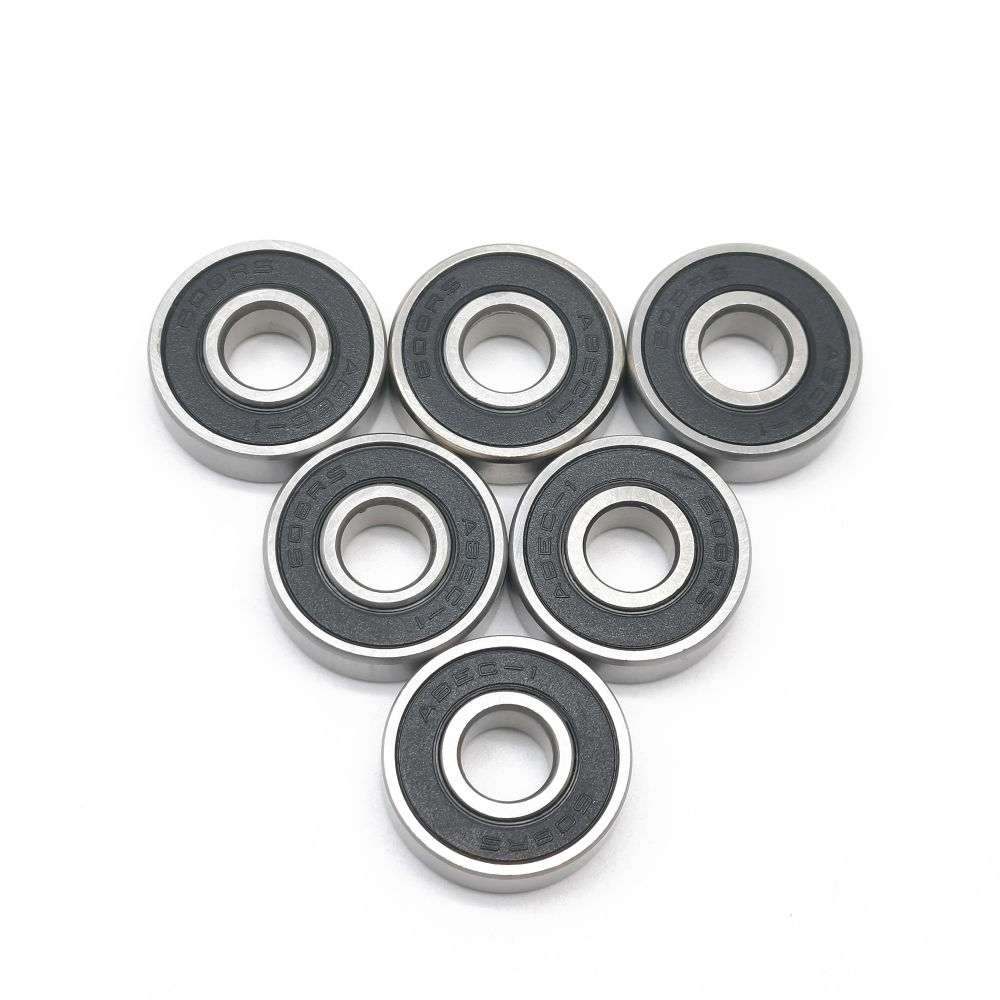


608RS Chrome steel Double Rubber Sealed Deep Groove Ball Bearings
-
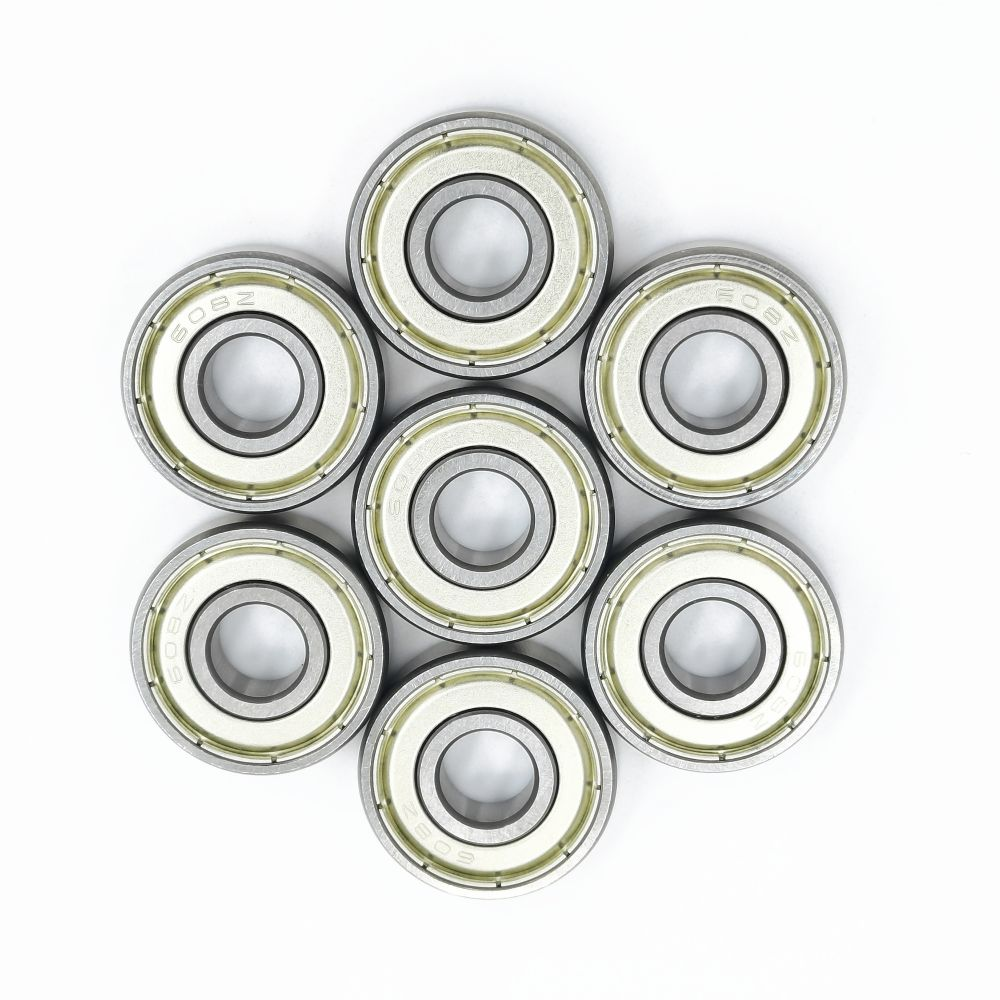
608ZZ Single column Double Iron Sealed Deep Groove Ball Bearing
-
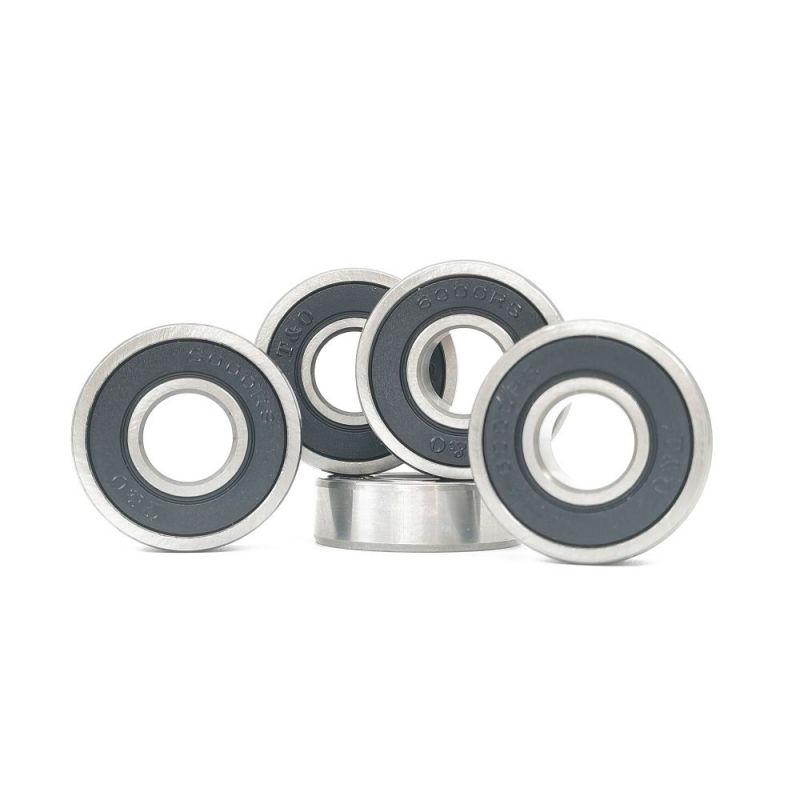
6000RS Carbon steel Double Rubber Sealed Deep Groove Ball Bearings
-
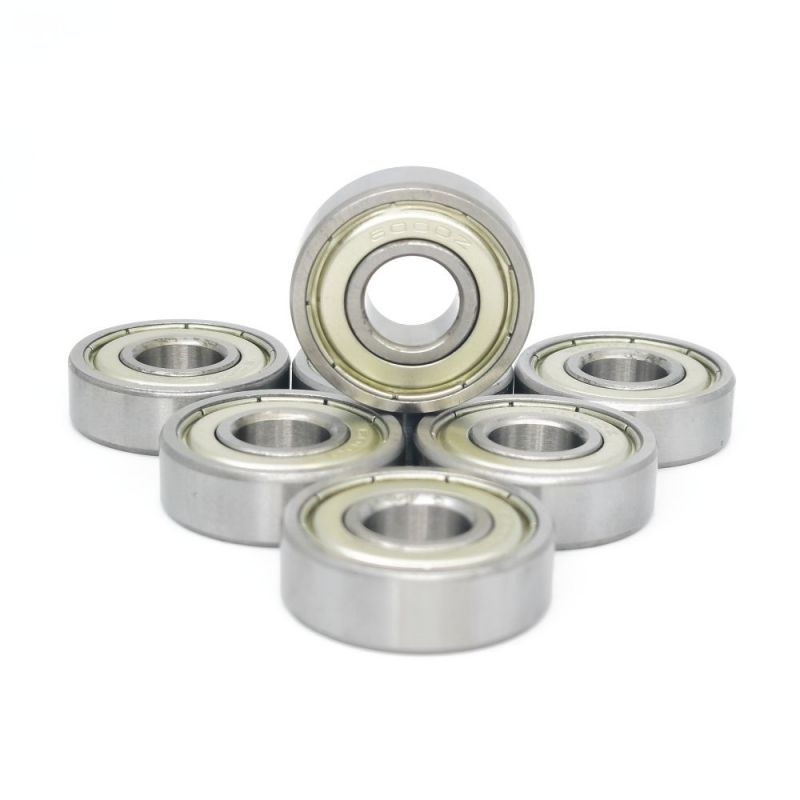
6000ZZ Grease Lubrication Double Iron Sealed Deep Groove Ball Bearing
-
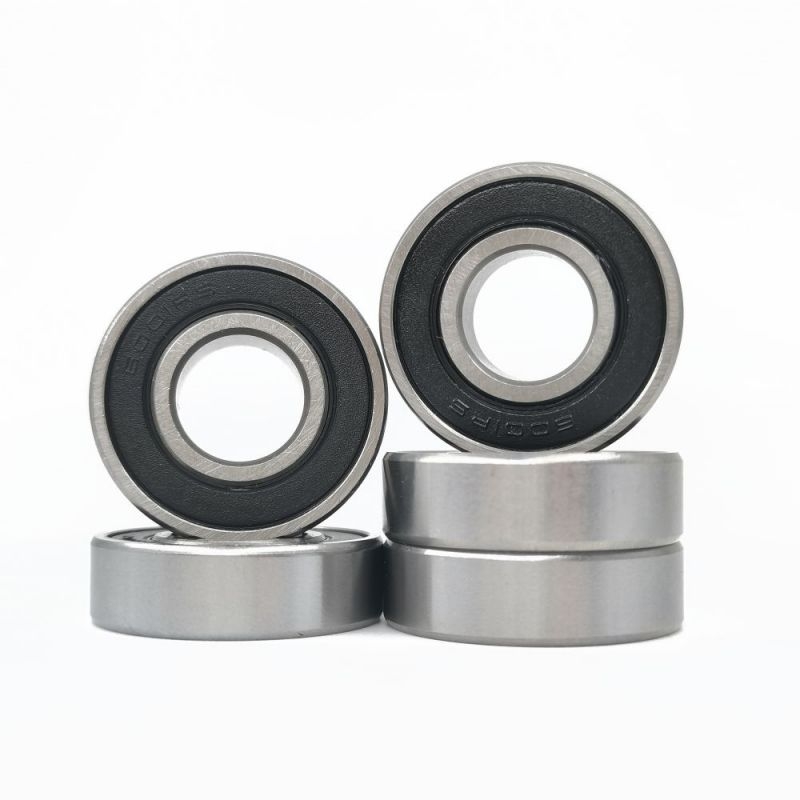
6001RS Double Rubber Sealed Deep Groove Ball Bearings For Motorcycles


Products
CONTACT Us
+86-13362474260 +86-0574-63322565
No. 98 Xinlang Road, Langxia Street, Yuyao City, Zhejiang Province, China
Mobile Site
Copyright© Zhejiang Yingfei Biotechnology Co., Ltd. All Rights Reserved
 Wholesale Motorcycles/Cars Vehicles Bearing Source Factory