
 0
0

 English
 Español
 中文简体
中文简体 عربى
عربى
Industry News

Submit
Submit feedback
What Is a Deep Groove Ball Bearing? | Structure, Types & Uses
2026-08-24
What Is a Deep Groove Ball Bearing?
Look inside a small electric motor and you will probably find a deep groove ball bearing. It supports the rotating shaft, absorbs radial and axial forces, and keeps motion smooth. This bearing type is the most common rolling bearing in industrial and consumer products, so understanding its structure and behavior helps with sourcing and maintenance decisions.
A deep groove ball bearing consists of an inner ring, an outer ring, balls, a cage, and sometimes seals or shields. The inner ring fits on the shaft, while the outer ring sits in the housing. The balls transfer the load through rolling contact, and the cage keeps them evenly spaced so they do not touch one another.
The "deep groove" name comes from the raceway geometry. The groove in each ring is deeper than a shallow raceway, which creates a larger contact area between the balls and the rings. As a result, the bearing can support radial loads, which act perpendicular to the shaft, as well as moderate axial loads from both the left and the right directions.
For the complete range of available sizes and seal configurations, review the deep groove ball bearing series on our product page.
How Does a Deep Groove Ball Bearing Work?
A deep groove ball bearing works by replacing sliding friction with rolling friction. The balls roll between the inner and outer raceway rings, which reduces energy loss, heat generation, and surface wear. This low-friction principle is what allows the bearing to operate at high rotational speeds.
The cage is a critical part of the assembly. It maintains equal spacing between the balls, prevents direct ball-to-ball contact, and guides the balls through the loaded zone. Without a cage, the balls would collide, creating noise, vibration, and uneven load distribution.
Radial Load vs. Axial Load — What Does "Both Directions" Mean?
Radial load acts perpendicular to the shaft, such as the downward pull of a belt pulley. Axial load acts parallel to the shaft, such as the forward push of an impeller in a fan. When a bearing is described as supporting axial loads in both directions, it means the design can accept axial thrust coming from either side of the shaft. This is useful in drives that reverse direction or experience changing thrust.
However, a deep groove ball bearing is primarily a radial bearing. Its axial load capacity is moderate and depends on bearing size, internal clearance, and operating speed. For large, sustained axial loads, an angular contact bearing or a paired bearing arrangement is usually a better choice.
Key Advantages of Deep Groove Ball Bearings
These bearings earn their widespread use through a balanced set of practical advantages.
- Compact and non-separable: The single-piece design makes installation and replacement quick.
- High-speed operation: Rolling contact, combined with precise raceway geometry, keeps friction and heat low.
- Low noise and vibration: Consistent ball spacing and finished surfaces suit acoustic-sensitive equipment like appliances and office machines.
- Balanced load capacity: The bearing handles radial loads as its main duty plus moderate axial loads in both directions.
- Standardized dimensions: Metric sizes follow common industry standards, so replacement bearings are easy to source.
For most rotating machines that do not face extreme loads, this combination of simplicity, reliability, and affordability makes the deep groove ball bearing the default choice.
Open, Sealed, or Shielded? Understanding Seal Types
The seal type controls how well a bearing keeps lubricant inside and contamination out. You will commonly see three configurations: open, rubber-sealed, and metal-shielded.
| Type | Configuration | Best suited for |
|---|---|---|
| Open | No seal or shield | Clean, high-speed environments where relubrication is possible |
| RS / 2RS | Rubber seal on one or both sides | Dusty, humid, or contaminated environments that need stronger protection |
| ZZ / 2Z | Metal shield on one or both sides | Relatively clean environments with high-speed rotation and low friction needs |
Open bearings have no cover, so they are easy to relubricate and offer the highest speed potential. They work best in controlled environments where dust and moisture are not present.
Rubber-sealed bearings use a contact seal that presses lightly against the inner ring. This provides the strongest protection against dirt, water, and other contaminants, with only a small increase in friction. Electric motors and pumps often use this type for longer service life. A 608rs double rubber sealed bearing is a representative example in this configuration.
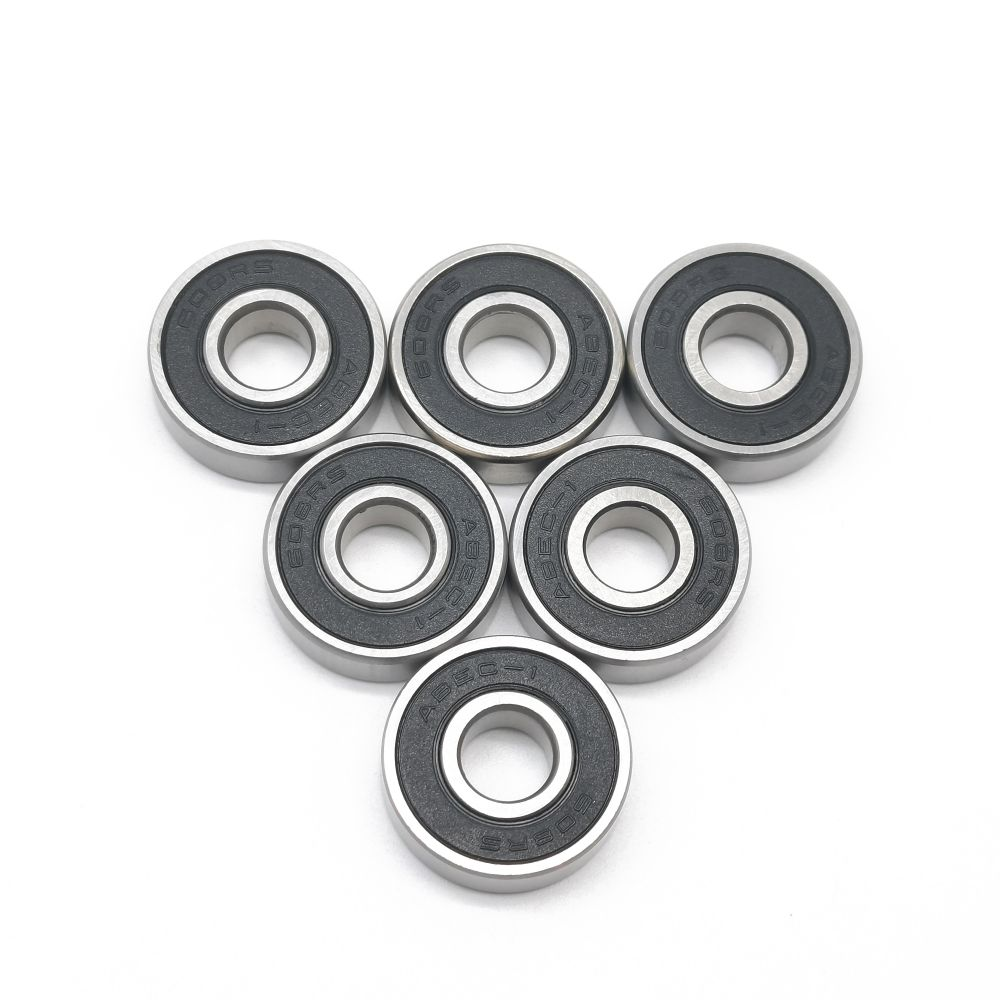 Wholesale 608RS Chrome steel Double Rubber Sealed Deep Groove Ball Bearings FactZhejiang Yingfei Biotechnology Co., Ltd. is China wholesale 608RS Chrome steel Double Rubber Sealed Deep Groove Ball Bearings factory and...View Product →
Metal-shielded bearings use a non-contact shield that keeps larger particles out without adding friction. This makes them well suited for high-speed operation in fairly clean environments, such as small motors and household appliances. The 608zz double iron sealed bearing is the shielded counterpart of the 608rs and shows how the same bearing size can be adapted to different operating conditions.
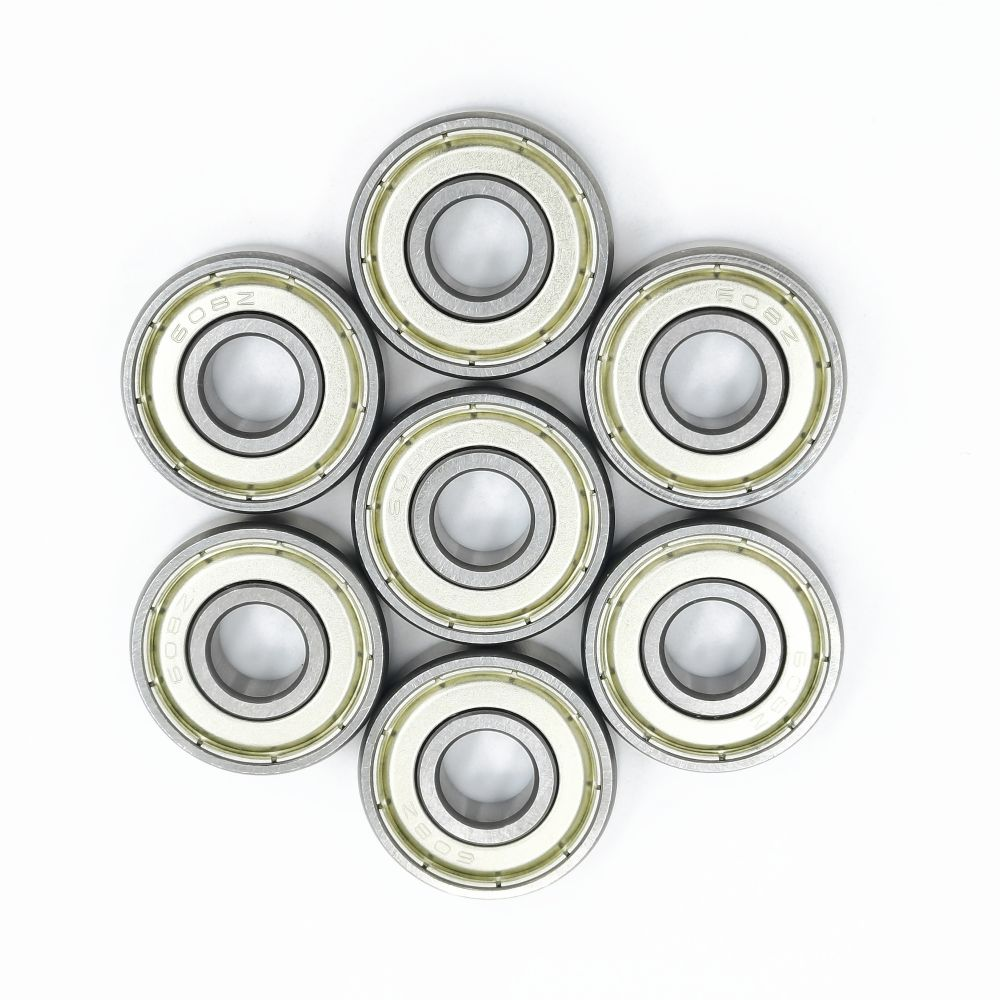 Wholesale 608ZZ Single column Double Iron Sealed Deep Groove Ball Bearing FactorZhejiang Yingfei Biotechnology Co., Ltd. is China wholesale 608ZZ Single column Double Iron Sealed Deep Groove Ball Bearing factory and m...View Product →
What Materials Are Deep Groove Ball Bearings Made Of?
Chrome steel, also called bearing steel, is the standard material for deep groove ball bearings. It offers a good balance of hardness, wear resistance, and fatigue life at a reasonable cost, which makes it the default for general industrial applications.
Carbon steel bearings are more economical and work well in light-duty mechanisms where corrosion resistance is not critical. They are common in toys, low-cost household items, and non-critical rotating parts.
Stainless steel bearings are the right solution when moisture, chemicals, or hygiene requirements are present. Common grades include AISI 304 and AISI 440C, both of which resist rust and tolerate washdown environments, food processing, and outdoor equipment. If your application needs corrosion resistance, review the stainless steel bearing options available in our product range.
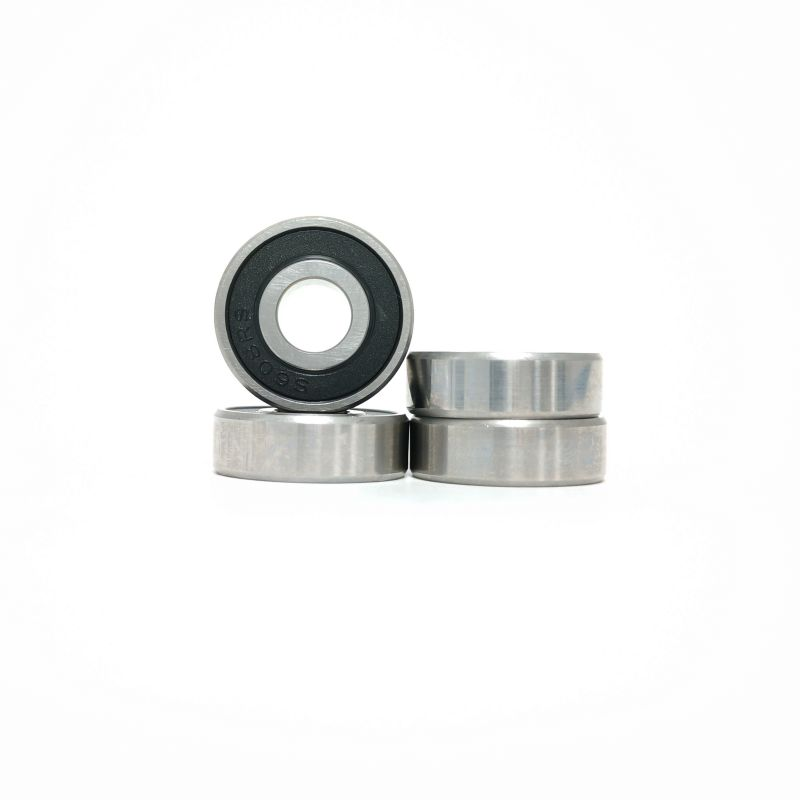 Stainless Steel Double Sealed Deep Groove Ball Bearing SuppliersZhejiang Yingfei Biotechnology Co., Ltd. is China stainless steel bearing manufacturers and OEM/ODM suppliers, we custom stainless steel ...View Product →
There are also specialty options such as plastic-coated or polyurethane-coated bearings. These are used when shock absorption, quieter operation, or low sliding friction is needed, for example in conveyor idlers, furniture, and sliding mechanisms. When choosing a material, consider humidity, chemical exposure, operating temperature, and whether the equipment is cleaned with water or aggressive detergents.
Common Applications of Deep Groove Ball Bearings
Because of their balanced performance and compact size, deep groove ball bearings appear in nearly every category of rotating equipment. Typical applications include:
- Electric motors: The bearing supports the rotor and must run quietly at high speed. See our dedicated deep groove ball bearings for motors page for more detail.
- Home appliances: Washing machines, fans, vacuum cleaners, and refrigerators use these bearings for smooth, low-noise operation.
- Automotive and mechanical drives: Water pumps, alternators, window motors, and gearboxes rely on compact deep groove bearings to save space and manage combined loads.
- Sports equipment and fitness machines: Skateboards, roller skates, treadmills, and exercise bikes need durable bearings with low rolling resistance.
- Baby strollers and toys: Small and miniature bearings keep wheels rolling smoothly while keeping the overall assembly light.
- Furniture and doors: Coated or shielded bearings support sliding mechanisms in office chairs, drawers, and sliding doors.
- Industrial conveyors: Conveyor rollers use bearings that tolerate continuous running and moderate radial loads. Where mounting space is tight, a flanged bearing series can simplify housing design.
This list is not exhaustive. Any machine with a rotating shaft is likely to contain a deep groove ball bearing in some form, from tiny precision tools to large industrial drives.
How to Choose the Right Deep Groove Ball Bearing
Choosing the right bearing starts with the application, not just the catalog. First define the load direction and magnitude, operating speed, temperature range, humidity, contamination level, and acceptable noise.
Then check the core dimensions: bore diameter, outside diameter, and width. These are standardized for metric bearings, so you can match most existing installations without modification. After that, compare the dynamic load rating and static load rating against your actual loads. The ratings indicate whether the bearing will have a reasonable service life under repeated loading.
Seal and lubrication choices should follow the environment. Use rubber seals in dusty or wet conditions, metal shields for high-speed and relatively clean environments, and open bearings when you need to relubricate on a regular schedule. The type and amount of lubricant also affect speed and noise performance.
If a standard bearing does not fit your shaft length, housing width, or load pattern, a custom design may be justified. Inner ring extensions, special bore dimensions, and modified widths are all possible. When standard sizes are not enough, look into custom non-standard bearings from a manufacturer that can handle design adjustments.
For miniature applications, the same selection logic applies, but tolerances and seal choice become more critical. A small bearing with the wrong seal type or insufficient clearance can fail quickly in a compact motor or precision instrument.
Conclusion
A deep groove ball bearing is a reliable, standardized way to support rotating shafts. Its deep raceway design delivers a useful combination of radial load capacity, moderate bidirectional axial load capacity, low friction, and quiet operation. Understanding the structure, seal types, materials, and selection criteria helps you avoid premature failures and choose the right product the first time.
Our production facility is ISO 9001 certified and manufactures more than 30 million bearings per year, covering standard deep groove series, miniature bearings, stainless steel options, and custom designs. Contact our sales team with your dimensions and operating conditions for a practical recommendation.
recommend products
-
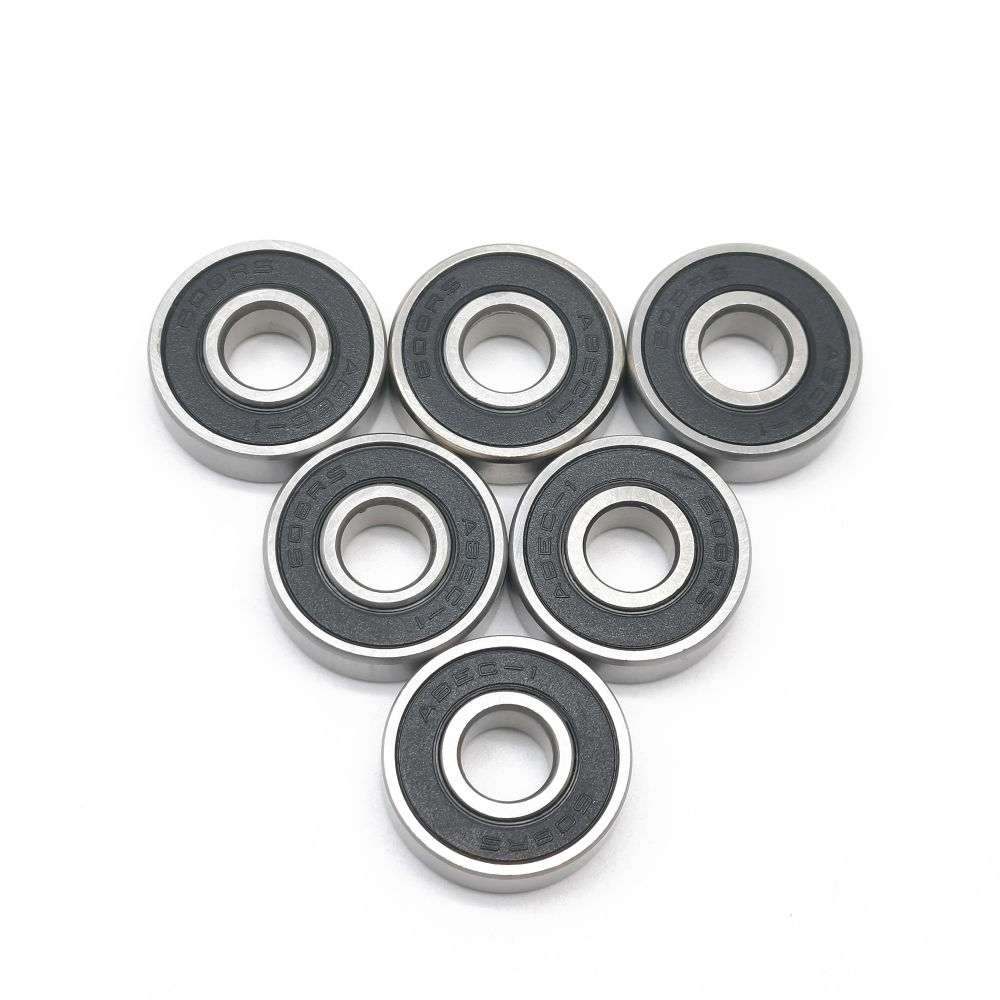


608RS Chrome steel Double Rubber Sealed Deep Groove Ball Bearings
-
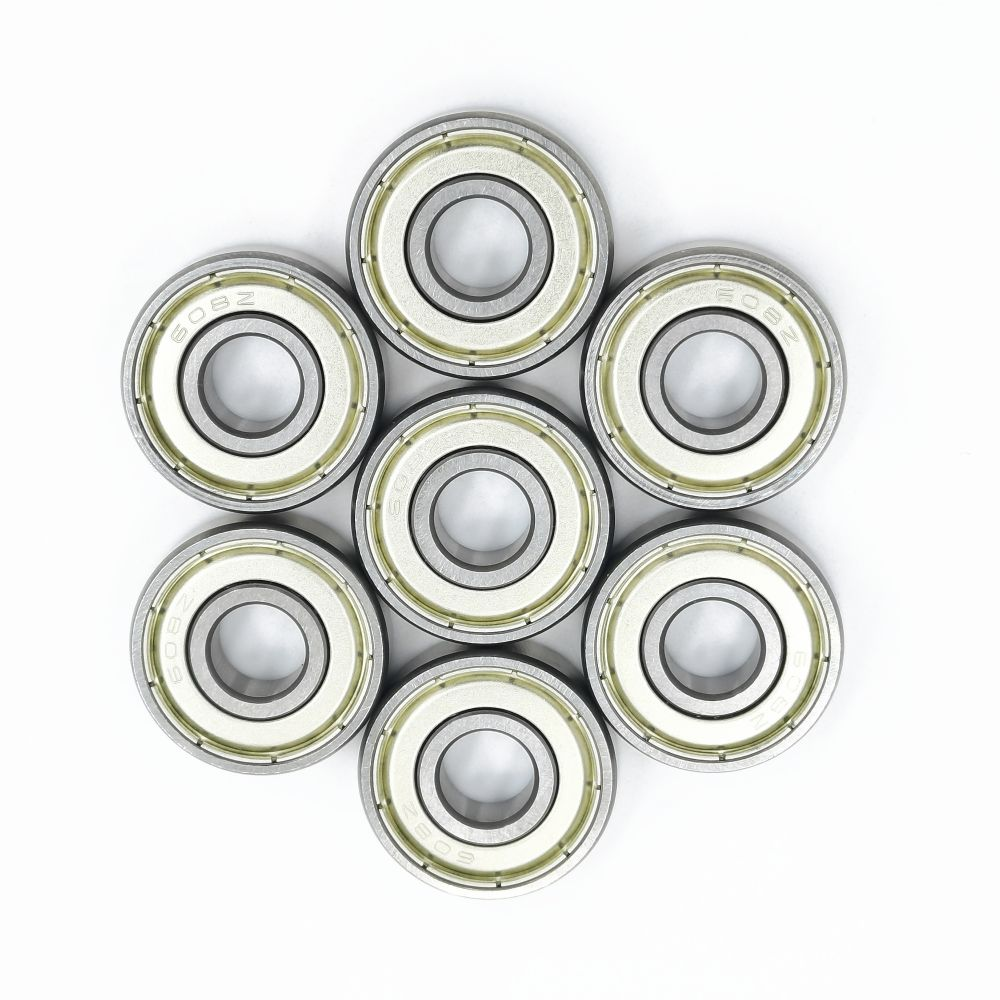
608ZZ Single column Double Iron Sealed Deep Groove Ball Bearing
-
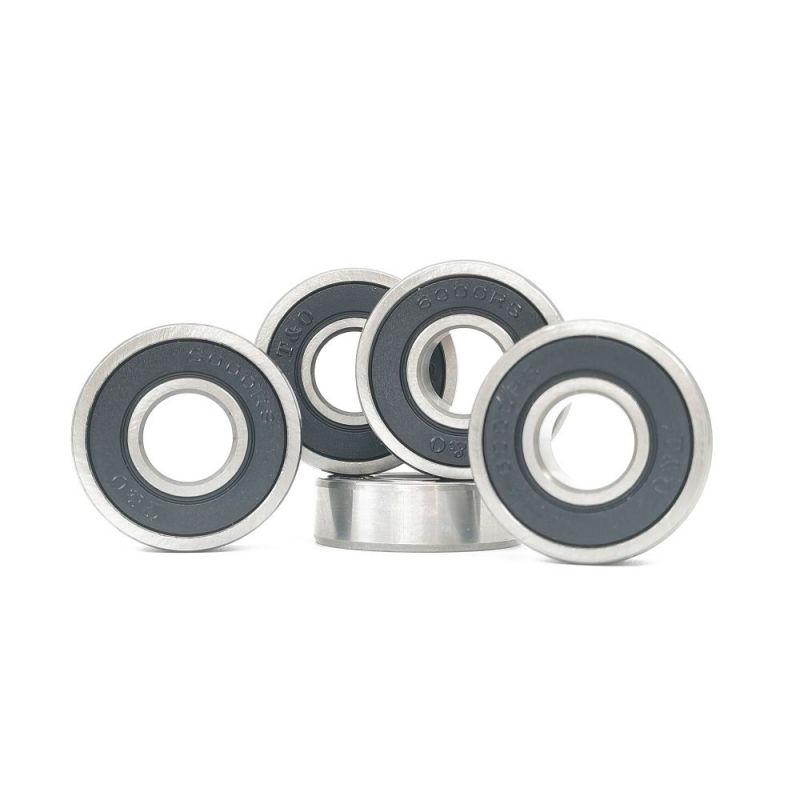
6000RS Carbon steel Double Rubber Sealed Deep Groove Ball Bearings
-
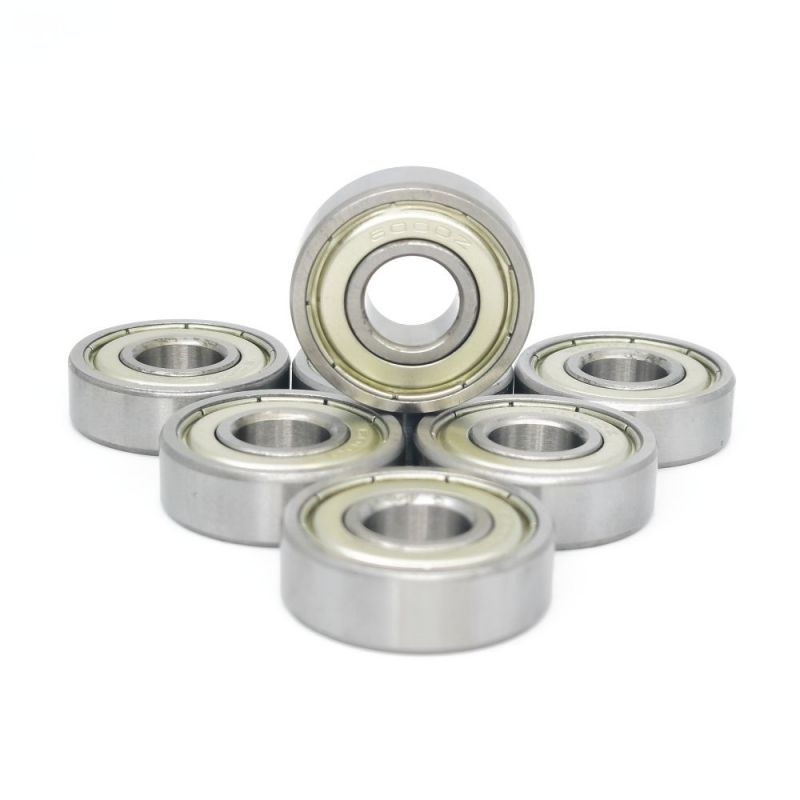
6000ZZ Grease Lubrication Double Iron Sealed Deep Groove Ball Bearing
-
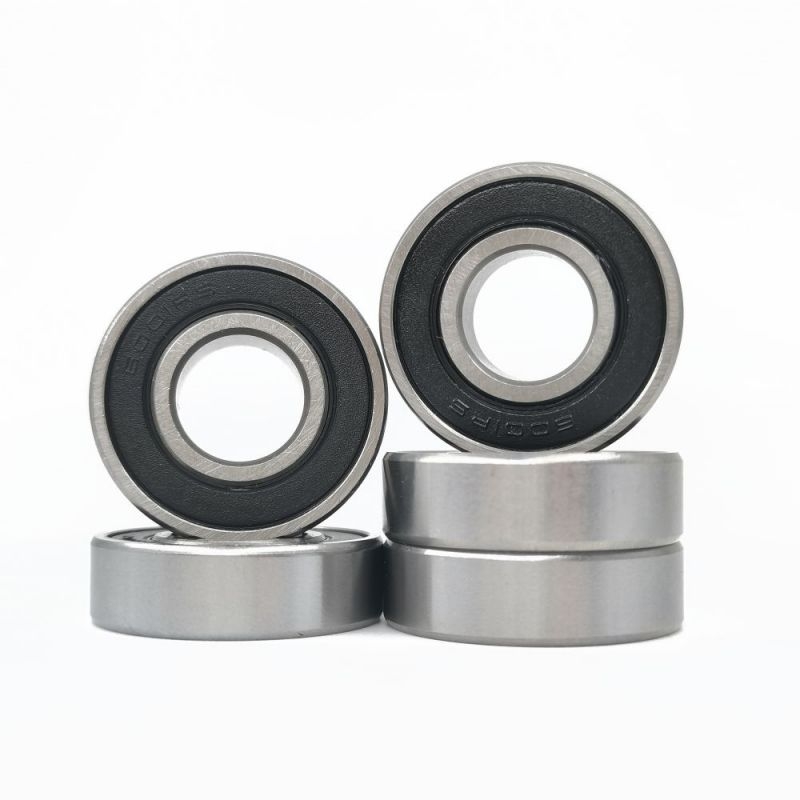
6001RS Double Rubber Sealed Deep Groove Ball Bearings For Motorcycles


Products
CONTACT Us
+86-13362474260 +86-0574-63322565
No. 98 Xinlang Road, Langxia Street, Yuyao City, Zhejiang Province, China
Mobile Site
Copyright© Zhejiang Yingfei Biotechnology Co., Ltd. All Rights Reserved
 Wholesale Motorcycles/Cars Vehicles Bearing Source Factory