
 0
0

 English
 Español
 中文简体
中文简体 عربى
عربى
Industry News

Submit
Submit feedback
Deep Groove Ball Bearings Advantages: Speed, Load & Cost Benefits
2026-08-17
What Is a Deep Groove Ball Bearing?
Suppose you are selecting a bearing for a 30 kW electric motor. The shaft carries the rotor weight, belt tension pulls in one direction, and the operating speed is high enough that every extra milligram of friction turns into heat. You also want the finished machine to run quietly enough for a workplace environment. If you need one component to handle all of these requirements, a deep groove ball bearing is often the first answer.
A deep groove ball bearing consists of four main parts: an inner ring, an outer ring, a set of steel balls, and a cage that keeps the balls evenly spaced. The name "deep groove" comes from the raceway geometry: the grooves in both rings are continuous and deeper than those found in many other ball bearing designs. This gives the balls a larger contact angle with the raceway, allowing the bearing to support loads from more than one direction. It is also why the deep groove ball bearing is one of the most widely used bearing types in rotating equipment.
What Are the Main Advantages of Deep Groove Ball Bearings?
The practical advantages of deep groove ball bearings are connected. Low friction lowers operating temperature, which extends lubricant life and bearing life. A longer service life reduces maintenance costs. The same design features that make the bearing run fast and quiet also make it a strong value choice for engineers.
1. Supports Both Radial and Axial Loads
A radial load acts perpendicular to the shaft, while an axial load acts along the shaft. Many bearing types are strong in only one of these directions. A deep groove ball bearing handles radial and moderate axial loads in both directions, making it one of the most load-versatile options available.
The deep raceway explains why. When an axial force pushes the shaft, the balls are guided up the sides of the grooves, distributing the load across more contact points. This is different from a cylindrical roller bearing, which handles radial loads well but generally cannot accept significant thrust. In applications such as fans, electric motors, and gearboxes, the ability to support a combined load without adding a second bearing is a clear design advantage.
2. High-Speed Operation and Low Friction
Deep groove ball bearings use point contact between the balls and the raceways. Point contact produces much less friction than the line contact found in roller bearings. Less friction means less heat, less energy loss, and lower operating temperature.
Low heat generation matters because temperature controls lubricant life. Every increase in operating temperature accelerates grease oxidation, which shortens relubrication intervals and can affect the surrounding machine components. For this reason, deep groove ball bearings for electric motors are especially popular: they deliver high speed without generating the heat that would reduce motor efficiency.
3. Low Noise and Vibration Levels
Noise in a bearing usually comes from vibration, and vibration comes from surface irregularities on the balls, raceways, or cage. Precision grinding of the raceways and controlled ball grading keep these irregularities small. The result is a bearing that runs with low noise and low vibration, which is critical in household appliances, office equipment, and precision instruments.
For applications with strict acoustic requirements, manufacturers can also select quieter cage materials or adjust internal clearances. If low sound output is the primary specification, a low-noise deep groove ball bearing is often the most cost-effective solution compared with more complex bearing types.
4. Long Service Life and Low Maintenance
Long life is a consequence of low friction and cool operation. Because the balls roll rather than slide, wear is minimized. Because the bearing runs cool, the lubricant stays effective for a longer period. As a result, deep groove ball bearings regularly last for years in applications where the load and speed are within the rated limits.
Sealed versions improve this further. A metal-shielded bearing, such as the double iron-sealed 608zz deep groove ball bearing, keeps grease in and contaminant particles out. In clean indoor environments, these bearings can run for the life of the component without relubrication, reducing the need for scheduled maintenance and the cost of downtime.
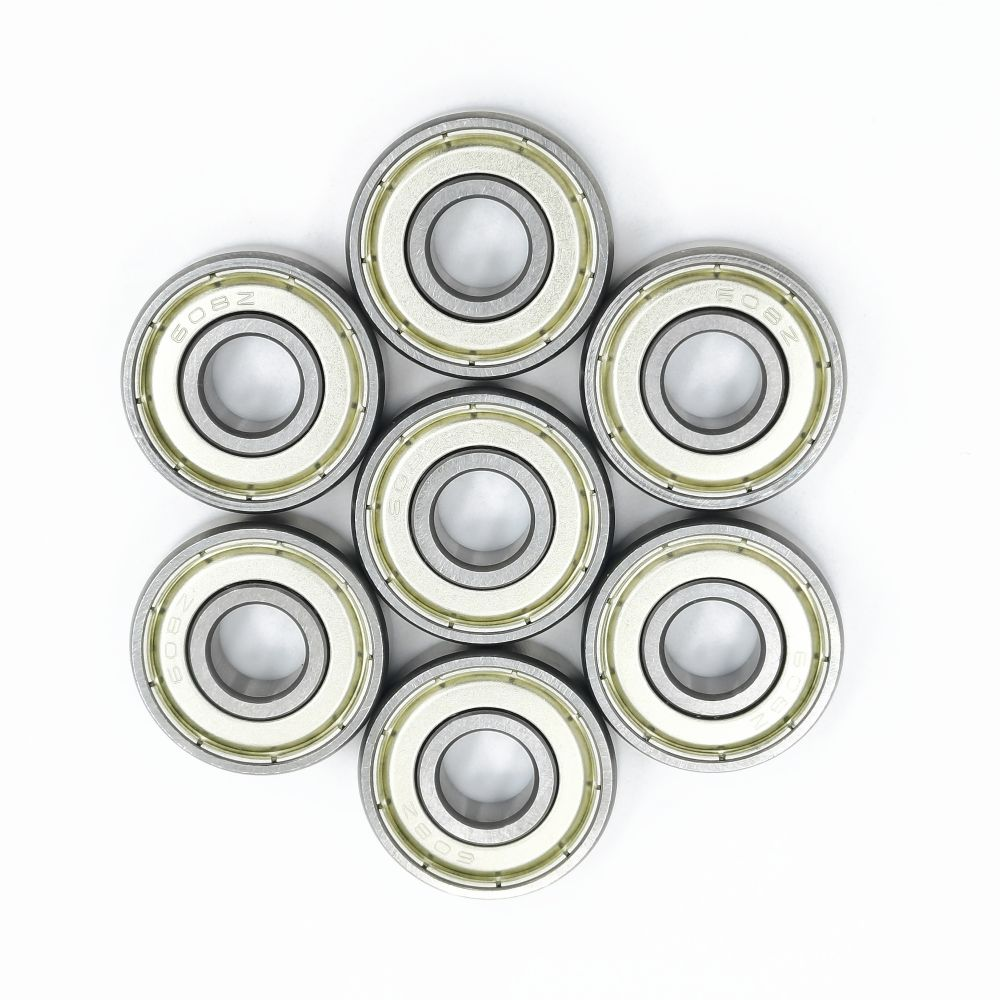 Wholesale 608ZZ Single column Double Iron Sealed Deep Groove Ball Bearing FactorZhejiang Yingfei Biotechnology Co., Ltd. is China wholesale 608ZZ Single column Double Iron Sealed Deep Groove Ball Bearing factory and m...View Product →
5. Cost-Effectiveness and Wide Availability
Deep groove ball bearings are highly standardized. Metric dimensions, radial clearances, and seal types follow internationally recognized tolerances. This standardization enables mature manufacturing processes and large production volumes, which keep unit costs low and lead times short.
From a sourcing perspective, the deep groove product family is practical because replacements are easy to find. Yingfei, for example, manufactures deep groove bearings across the 6000, 6200, 6300, 6800, 6900, and MR miniature series, with an annual output of 30 million sets. The company holds GB/T 19001-2016/ISO 9001:2015 quality management certification and positions its deep groove line as the core of its standard product offering.
Deep Groove Ball Bearings vs. Other Bearing Types
The right bearing depends on the load direction, speed, and operating environment. A deep groove ball bearing is not always the strongest in a single performance category, but it offers a balanced combination that many applications need.
| Bearing type | Radial load | Axial load | Speed and noise | Typical strength |
|---|---|---|---|---|
| Deep groove ball bearing | Good | Moderate, in both directions | High speed, low noise | Balanced performance for electric motors, appliances, pumps, and conveyors |
| Cylindrical roller bearing | Very high | Very limited | Moderate speed capability, more friction | Heavy pure radial loads with large contact area |
| Angular contact ball bearing | Moderate | High in one direction | High speed when paired | Heavy axial thrust in machine tool spindles and gearboxes |
The comparison is not about which bearing is universally better. A cylindrical roller bearing can carry a larger pure radial load than a deep groove ball bearing of the same size, but it usually cannot accept meaningful axial load. An angular contact ball bearing supports heavy axial load in one direction, but to cover both axial directions you typically need two bearings mounted face-to-face or back-to-back. The deep groove ball bearing avoids that complexity because it accepts both directions of axial load in a single unit.
How Material and Sealing Choices Affect Performance
Two deep groove ball bearings with the same dimensions can behave very differently if they are made from different materials or fitted with different seals. The manufacturing side of the product determines how the advantages of the deep groove design hold up in real operating conditions.
Material Options
Chrome steel is the standard material for deep groove ball bearings because it offers high hardness and good fatigue resistance under rolling contact. Carbon steel is a lower-cost alternative, but it has lower corrosion resistance and may shorten service life in humid environments. Stainless steel solves that problem. AISI 304 stainless steel bearings resist rust and chemical attack, while AISI 440C stainless steel adds higher hardness for applications that need both corrosion resistance and wear resistance.
Stainless material selection becomes important in food processing, chemical pumps, marine equipment, and outdoor conveying systems. If the bearing will be washed down regularly or exposed to condensation, paying more for stainless steel usually costs less in the long run than replacing corroded standard bearings.
Sealing and Shielding
Open bearings allow relubrication and withstand higher temperatures because there is no seal friction. The downside is that contaminants can enter freely. Rubber-sealed bearings, such as the double rubber-sealed 608rs bearing, provide better protection against dust, moisture, and splashing water. Metal-shielded bearings offer lower friction than rubber seals and good protection against solid particles, but they do not stop liquid ingress as effectively.
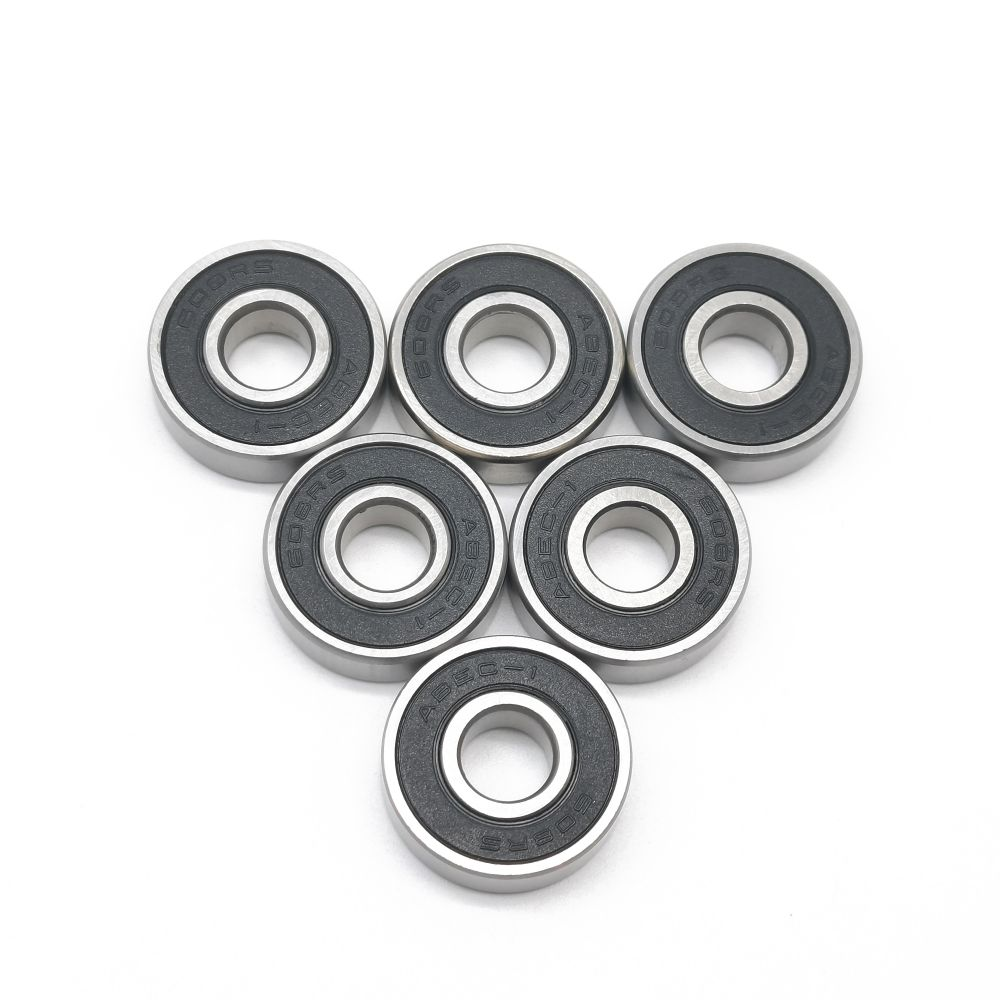 Wholesale 608RS Chrome steel Double Rubber Sealed Deep Groove Ball Bearings FactZhejiang Yingfei Biotechnology Co., Ltd. is China wholesale 608RS Chrome steel Double Rubber Sealed Deep Groove Ball Bearings factory and...View Product →
In short, the seal choice should reflect the environment: open or ZZ types in clean indoor machines, RS types in dusty or humid conditions, and stainless material plus RS sealing in corrosive or washdown applications.
Typical Applications of Deep Groove Ball Bearings
The advantages of deep groove ball bearings match a wide range of machine categories. The common factor is that each application relies on one or more of the bearing's strengths:
- Electric motors and generators: low friction and high speed improve efficiency and keep temperature rise under control.
- Household appliances: low noise and vibration keep washing machines, fans, and kitchen equipment quiet.
- Automotive components: compact dimensions and combined radial-axial load support suit power windows, steering systems, and pumps.
- Conveyor rollers: long life with modest maintenance makes them practical for high-volume material handling.
- Fitness equipment: low noise and smooth running improve the user experience on treadmills and exercise bikes.
- Furniture glides and baby strollers: light load, low cost, and consistent rolling performance drive the choice.
In each case, the selection logic starts from the same question: what is the load, and what is the environment? Once the answers are clear, the deep groove family provides a product variant that fits.
How to Choose the Right Deep Groove Ball Bearing
When you move from understanding the advantages to selecting a specific bearing number, follow a simple sequence:
- Define the load direction and magnitude. If the axial load is heavy, you may need a larger series or a different bearing arrangement.
- Check the speed requirement. Compare the maximum speed of the bearing with the actual operating speed, and choose the proper internal clearance if temperature changes are expected.
- Assess the operating environment. Decide between open, RS, or ZZ sealing, and choose chrome steel, carbon steel, or stainless steel based on humidity and contamination.
- Confirm the installation space. Use the bore diameter, outside diameter, and width to match the housing and shaft accurately.
- Evaluate whether a standard size is enough. When the application needs an extended inner ring, a non-standard bore, or a double-row construction, customized non-standard precision bearings may be a better path than forcing a standard part.
Specifying a deep groove ball bearing also means verifying the details on the drawing: the bearing number, seal type, material grade, radial clearance, and cage type. A supplier that manufactures the bearing in-house can usually adapt these parameters more easily than a trading company that only resells finished stock.
Conclusion
Deep groove ball bearings deliver a well-balanced combination of load capacity, speed, quiet operation, service life, and cost. They support radial and moderate axial loads in both directions, run efficiently at high speeds, and require little maintenance when properly sealed. For most rotating equipment, they are the natural first choice among rolling bearings.
The key to getting value from them is matching the bearing variant to the actual working conditions. Consider the material, seal type, speed, and load environment before placing an order. If standard catalog dimensions are not enough, talk to the manufacturer early, because in-house customization can extend the effective life of the bearing without changing the machine design.
recommend products
-
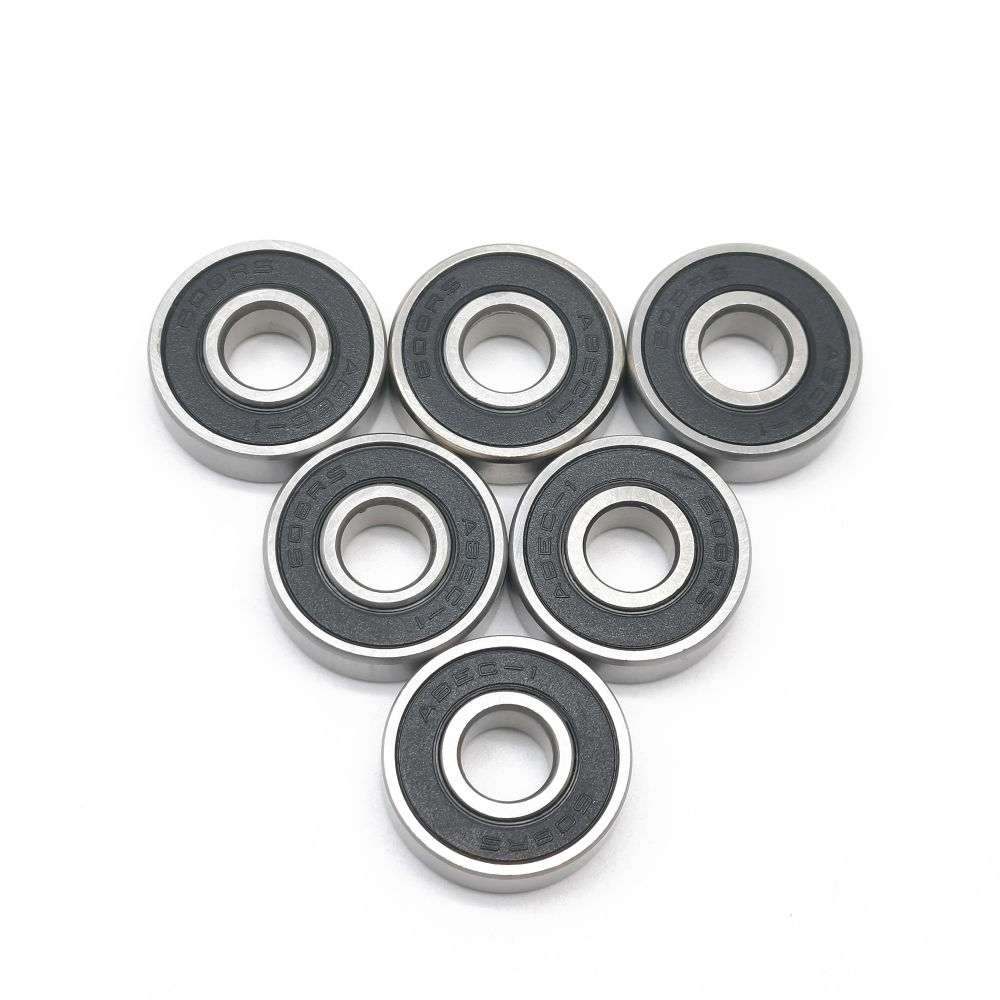


608RS Chrome steel Double Rubber Sealed Deep Groove Ball Bearings
-
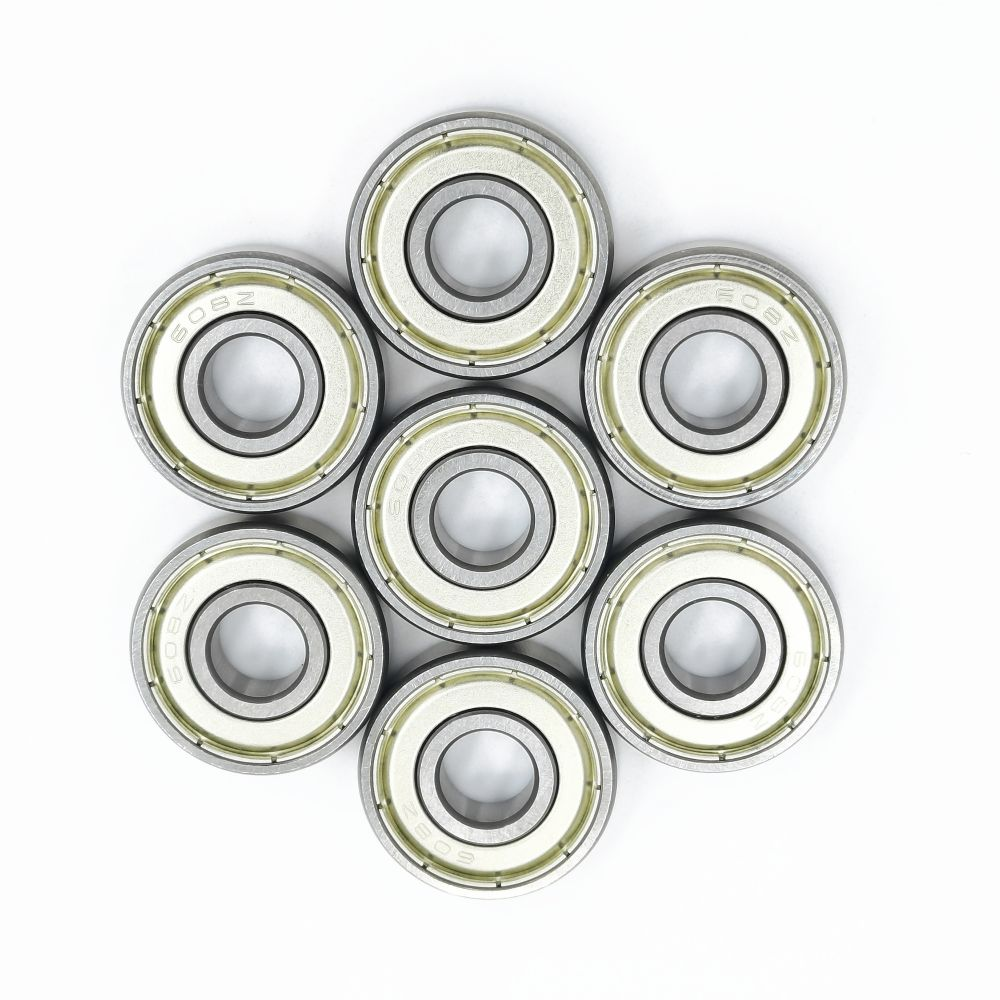
608ZZ Single column Double Iron Sealed Deep Groove Ball Bearing
-
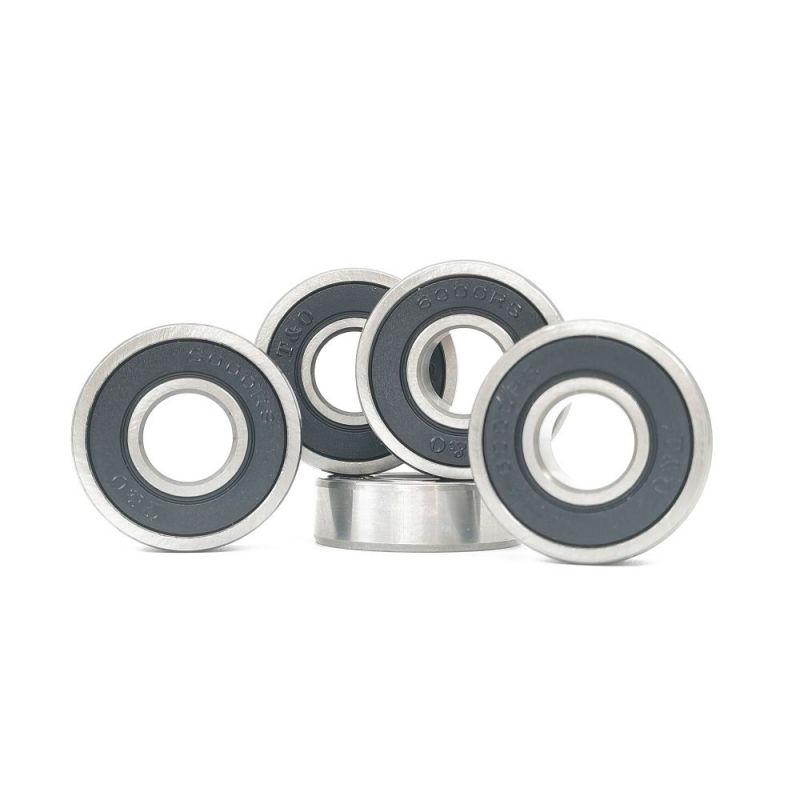
6000RS Carbon steel Double Rubber Sealed Deep Groove Ball Bearings
-
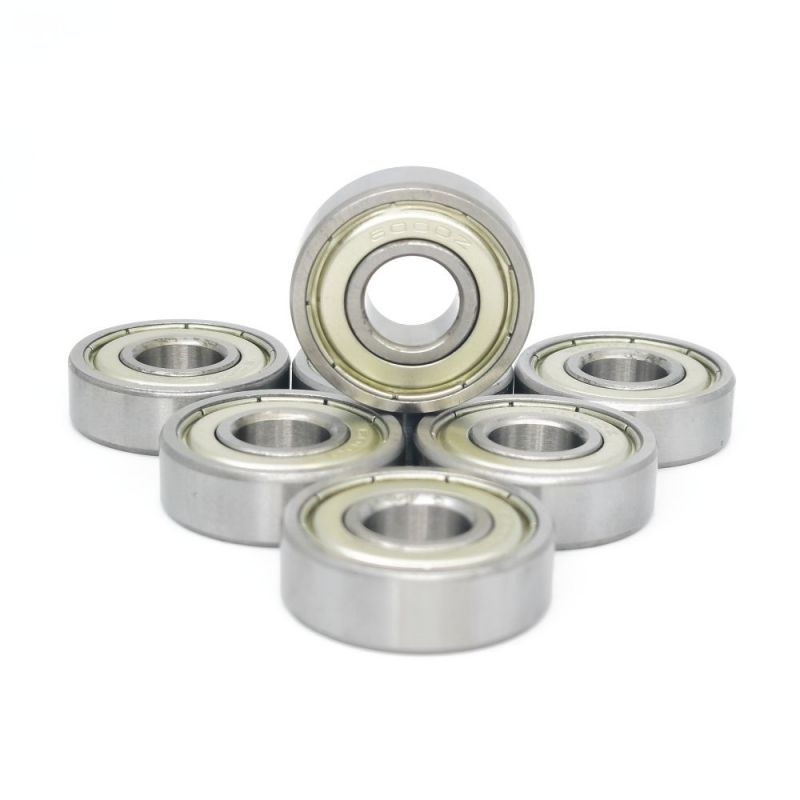
6000ZZ Grease Lubrication Double Iron Sealed Deep Groove Ball Bearing
-
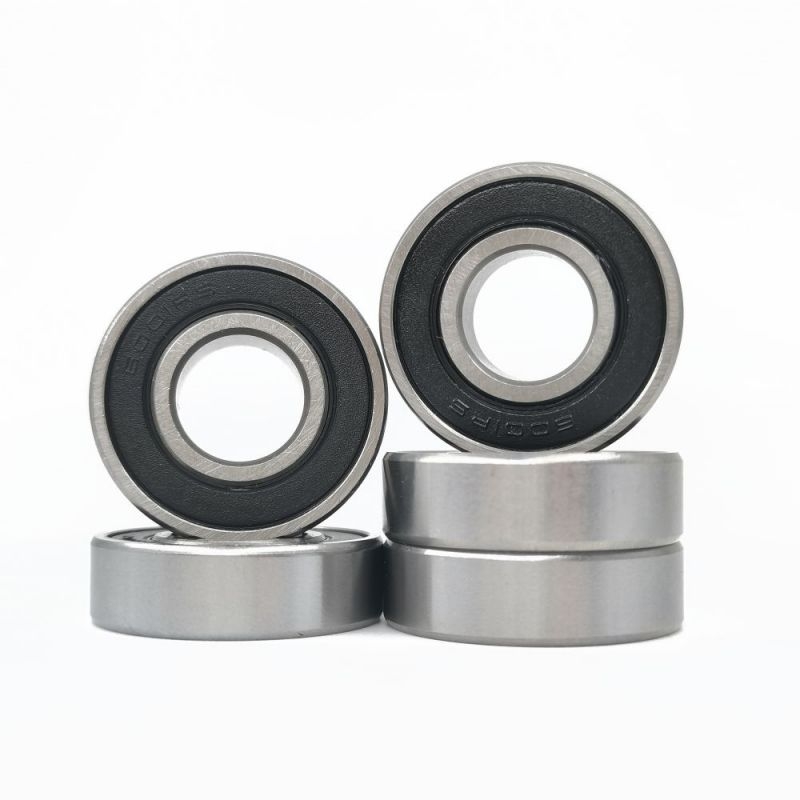
6001RS Double Rubber Sealed Deep Groove Ball Bearings For Motorcycles


Products
CONTACT Us
+86-13362474260 +86-0574-63322565
No. 98 Xinlang Road, Langxia Street, Yuyao City, Zhejiang Province, China
Mobile Site
Copyright© Zhejiang Yingfei Biotechnology Co., Ltd. All Rights Reserved
 Wholesale Motorcycles/Cars Vehicles Bearing Source Factory