
 0
0

 English
 Español
 中文简体
中文简体 عربى
عربى
Industry News
Home / News / Industry News / How to Choose the Right 6201z bearing and 6208 bearing for High-Performance Machinery

2026-05-06
In precision mechanical transmission systems, deep groove ball bearings are the most widely used type of rolling bearings. Their operational stability and service life directly affect the overall efficiency of the equipment. Whether in high-speed rotating motors or industrial reducers bearing high radial loads, the selection of models such as 6201z bearing, 6208 bearing, and 6200 2rs bearing is crucial.
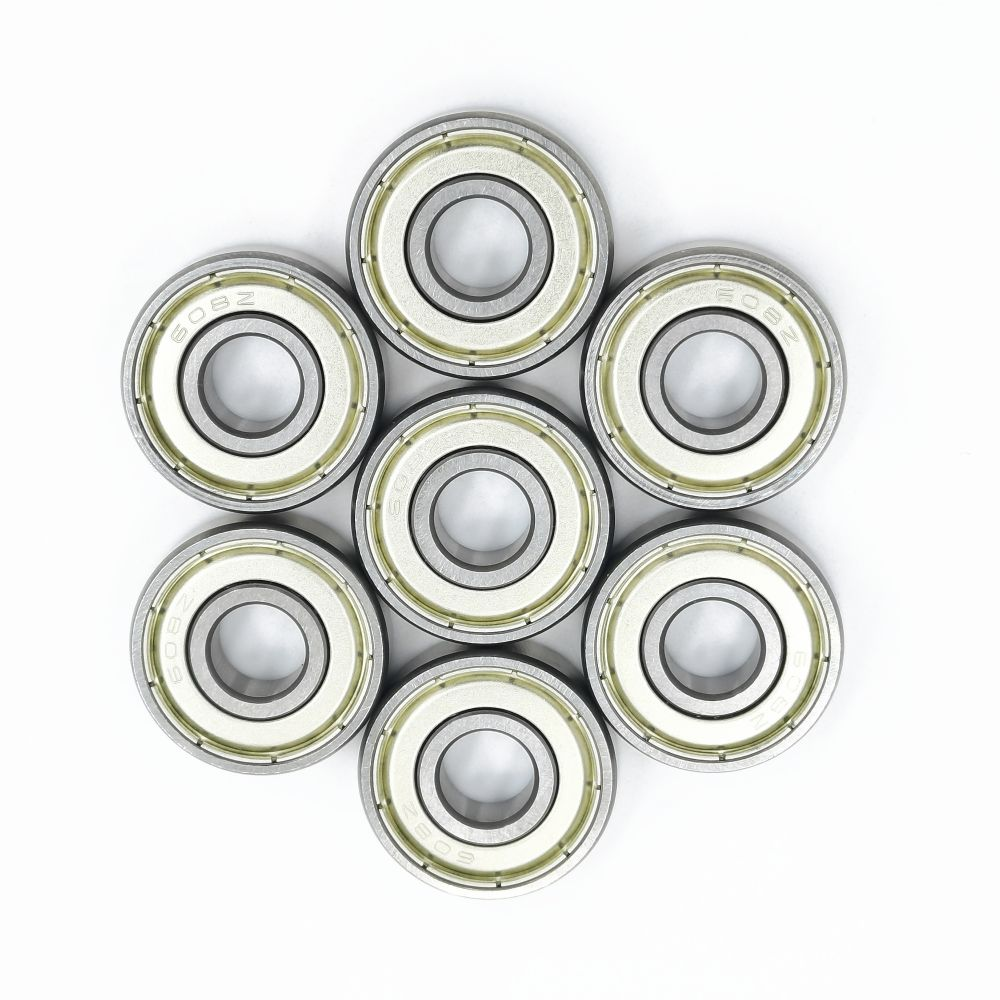
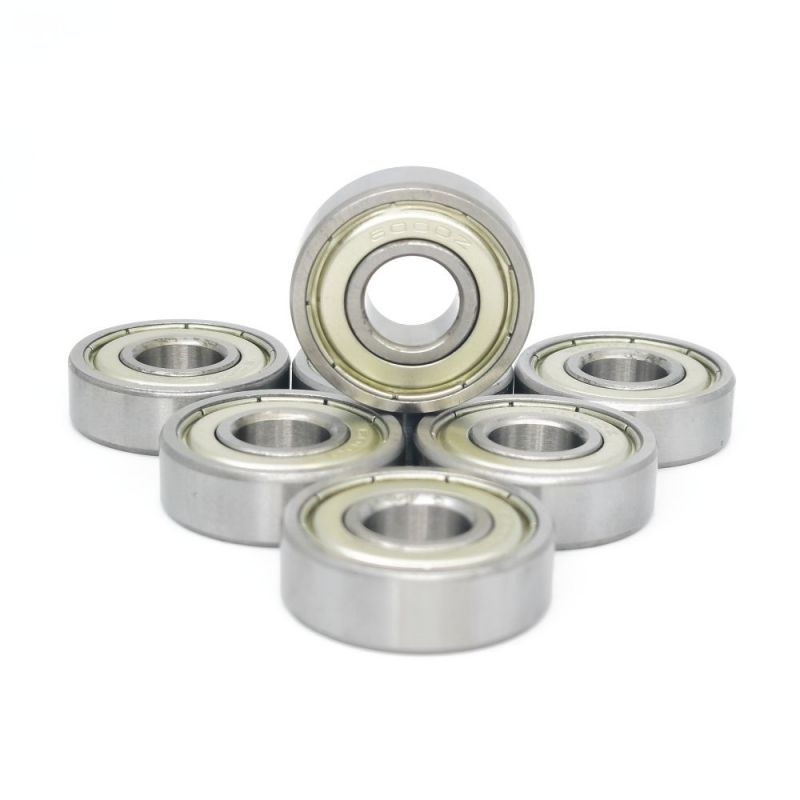
When selecting deep groove ball bearings, the choice of sealing method often determines the bearing's performance in specific environments. The 6201z bearing utilizes a metal dust cover (Z denotes a single metal shield, ZZ denotes double shields). Its primary function is to prevent large foreign particles from entering the bearing interior. There is a fine gap between the metal shield and the inner ring, resulting in minimal friction torque, making it ideal for applications requiring high speed and low heat generation.
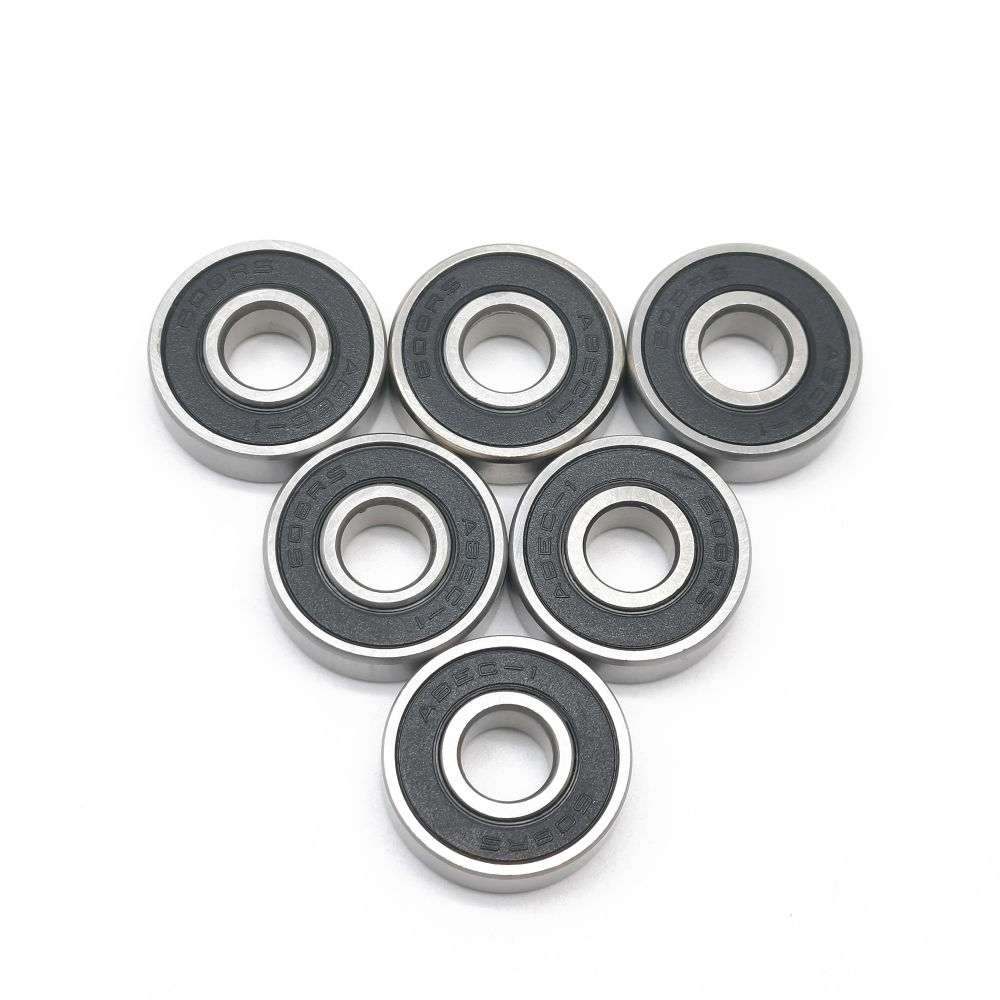
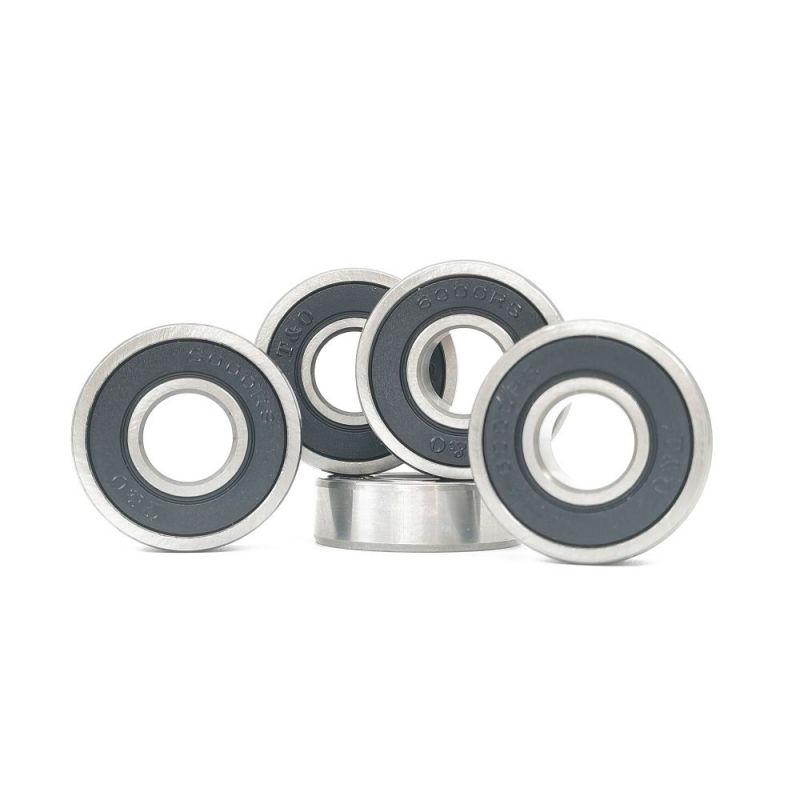
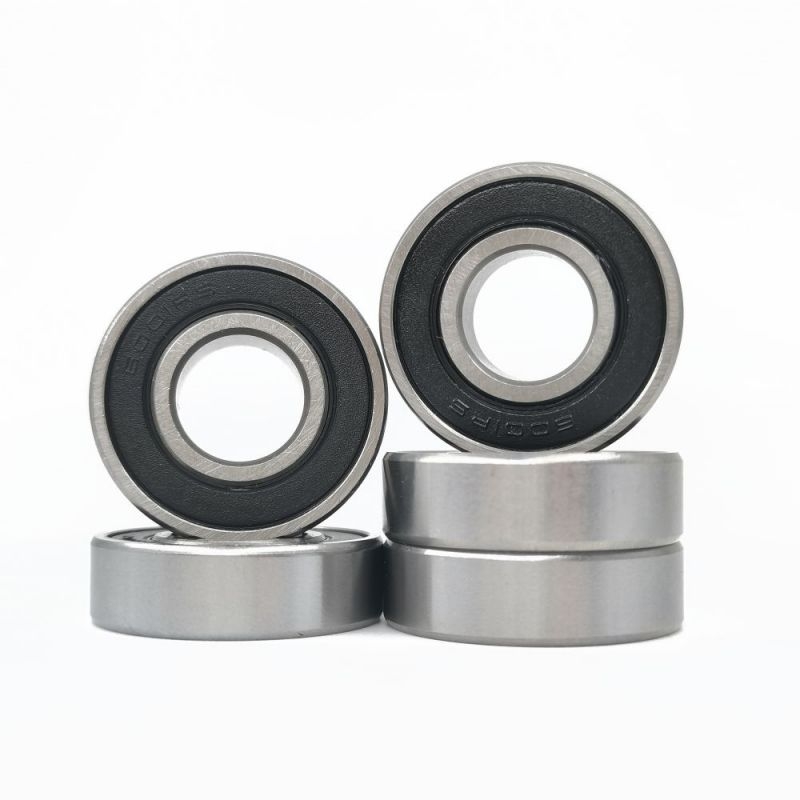
In contrast, the 6200 2rs bearing features a contact-type rubber seal (2RS). This sealing method achieves a near-perfect sealing effect through the frictional contact between the rubber lip and the bearing inner ring. The 6200 2rs bearing effectively isolates water, fine dust, and moisture, making it an ideal choice for harsh environments where maintenance frequency is low and lifetime lubrication is required.
Different sizes of deep groove ball bearings show significant differences in dynamic and static load capacities. Below is a detailed comparison of physical parameters for the 6201z bearing and 6208 bearing:
| Parameter Indicator | 6201z bearing | 6208 bearing |
| Inside Diameter | 12 mm | 40 mm |
| Outside Diameter | 32 mm | 80 mm |
| Width | 10 mm | 18 mm |
| Basic Dynamic Load Rating (Cr) | 6.8 kN | 29.1 kN |
| Basic Static Load Rating (Cor) | 3.05 kN | 17.8 kN |
| Limiting Speed (Grease) | 22,000 r/min | 8,500 r/min |
Data shows that the 6208 bearing has a much higher load capacity than the 6201z bearing due to its larger physical size. This difference means the 6208 bearing is mostly used in heavy-duty pumps, bearing housings, or machine tool spindles, while the 6201z bearing is more common in precision instruments, miniature motors, or power tools with compact structures.
High-performance deep groove ball bearings are typically made of high-carbon chromium bearing steel (such as GCr15). During manufacturing, the steel undergoes quenching and tempering to reach a hardness level usually between HRC 60-65. This high hardness ensures that the bearing maintains extremely low deformation rates under long-term cyclic contact stress.
For sealed products like the 6200 2rs bearing, the quality of the internal grease is also vital. High-quality grease maintains stable viscosity within the range of -20°C to 120°C, ensuring the lubricating film does not break during high-speed operation of the deep groove ball bearings. Regarding internal clearance, bearings are categorized into C2, CN, C3, C4, etc. For equipment operating in high-temperature environments, a 6208 bearing with C3 or higher clearance is recommended to compensate for radial pressure caused by thermal expansion.
In practical applications, the 6201z bearing and 6200 2rs bearing are often used in environments with strict noise control requirements. The noise levels of deep groove ball bearings are typically indicated by V1, V2, V3, and V4, while vibration levels are indicated by Z1, Z2, Z3, and Z4.
To achieve low-noise operation, the raceways of the bearing must undergo super-precision grinding to control surface roughness at the micron level. Due to its larger size, the 6208 bearing is more prone to structural vibration under high loads. Therefore, fitting tolerances between the shaft and housing bore must be strictly controlled during installation. Improper installation, such as cold-pressing the inner or outer rings, can cause pressure indentations on the raceways, leading to abnormal mechanical noise in the deep groove ball bearings early in their operation.
Bearing failure often stems from poor lubrication. For the 6200 2rs bearing, the sealing structure maintains the cleanliness of the pre-filled grease, but oxidation failure of the grease is inevitable under high loads or continuous operation. Open-type 6208 bearing units require regular replenishment of lubricant via oil cups or circulation systems.
Engineers must fully consider the upper speed limit of the 6201z bearing during the design phase. If the operating speed exceeds the limiting speed, the grease may be lost due to centrifugal force or carbonized due to high temperatures, eventually leading to bearing burnout or cage breakage. Correct selection, precise tolerance matching, and sealing methods appropriate for the working conditions are the core elements to ensure deep groove ball bearings achieve maximum performance.


Products
CONTACT Us
Mobile Site
Copyright© Zhejiang Yingfei Biotechnology Co., Ltd. All Rights Reserved
 Wholesale Motorcycles/Cars Vehicles Bearing Source Factory