
 0
0

 English
 Español
 中文简体
中文简体 عربى
عربى
Industry News
Home / News / Industry News / How to Detect Thermal Expansion and Cooling Issues in Deep Groove Ball Bearings

2026-03-16
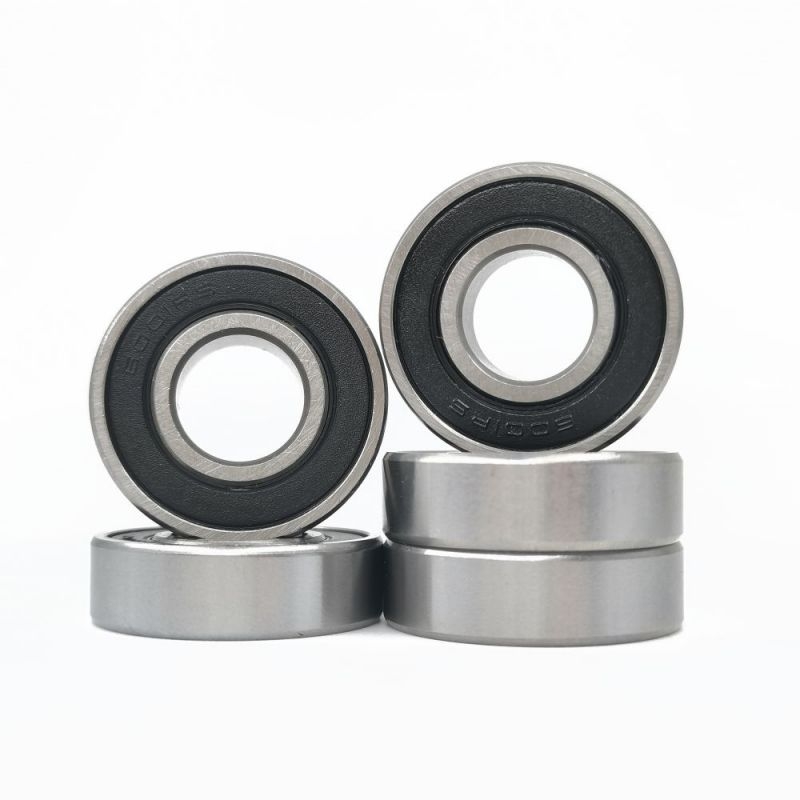
Deep groove ball bearings are widely used in various mechanical applications, carrying significant load responsibilities. As operational speed and load increase, the temperature of the bearings also rises. Thermal expansion and cooling issues are crucial factors affecting bearing performance and longevity. Proper detection and management of temperature changes can effectively prevent failures and damage caused by excessive or insufficient temperatures. This article will explore how to detect thermal expansion and cooling issues in deep groove ball bearings.
During operation, deep groove ball bearings experience temperature increases due to load, speed, and friction. As the temperature rises, both the inner and outer races as well as the steel balls of the bearing undergo thermal expansion. This thermal expansion can lead to changes in the clearance, affecting the normal operation of the bearing, and potentially causing jamming or accelerated wear. Additionally, excessive temperature may cause lubricant failure, accelerating bearing aging. Therefore, monitoring and controlling thermal expansion are critical for extending bearing service life.
Temperature sensors are the most direct and common method for detecting temperature changes in deep groove ball bearings. Common sensors include thermocouples and RTDs (Resistance Temperature Detectors). These sensors are installed at key positions of the bearing to continuously monitor its temperature. If the temperature exceeds a preset range, the system automatically triggers an alarm, notifying the user to take corrective measures.
Infrared temperature measurement is a non-contact method that is suitable for situations where direct contact with the bearing is not possible. Using an infrared thermometer, the surface temperature of the bearing can be quickly obtained. This method is especially useful for high-speed operations or in hazardous environments.
Thermal imaging technology uses infrared radiation principles to accurately display the temperature distribution on the bearing surface and its surrounding environment. Thermal cameras can quickly identify areas of abnormal temperature, allowing for timely action. This method is particularly effective in detecting early bearing faults.
Temperature rise testing involves artificially increasing the load or speed to bring the bearing to a predetermined temperature range, and then monitoring its temperature increase. By recording the temperature change under different loads, the thermal expansion characteristics of the bearing can be understood, providing valuable data for temperature management in actual applications.
In addition to thermal expansion, cooling issues are another important factor affecting the performance of deep groove ball bearings. If the bearings operate at high temperatures for extended periods and cooling is not timely, it can lead to overheating, lubricant degradation, and even deformation or damage. Therefore, proper cooling measures can effectively prevent these problems from occurring.
The temperature monitoring system can not only detect thermal expansion but also monitor the cooling condition of the bearing. If the cooling system fails to reduce the temperature effectively, or the cooling rate is insufficient, the sensors will detect that the temperature is not dropping within the expected range, signaling the need for an inspection of the cooling system's efficiency.
The coolant flow rate is a key factor in determining the effectiveness of the bearing cooling process. By installing flow meters, real-time monitoring of the coolant flow rate can be conducted. If the flow rate is too low or unstable, it may indicate a fault in the cooling system that requires maintenance.
In addition to temperature monitoring, periodic temperature scanning of the bearing surface can be performed to evaluate the cooling effectiveness. If there are temperature variations on the surface of the bearing, it may indicate uneven or insufficient cooling, requiring improvement in the cooling system.
The pressure within the cooling system directly impacts the circulation of the coolant. Low pressure can cause inadequate circulation, preventing the bearing temperature from being controlled. By installing pressure sensors, the pressure within the cooling system can be continuously monitored to ensure it remains within a normal operating range.
Different bearing materials exhibit different thermal expansion characteristics under temperature changes. Selecting appropriate materials (such as high-temperature alloys or ceramic materials) can effectively reduce the thermal expansion of bearings in high-temperature environments, improving their stability.
Lubricants play a critical role in temperature management within bearings. Using lubricants with high thermal stability and regularly replacing them can effectively reduce friction and heat generation within the bearing, preventing temperature rise caused by inadequate lubrication.
Maintaining the cooling system is essential for resolving cooling issues. Regularly inspect coolant flow rate, temperature, and pressure to ensure the cooling system operates effectively. At the same time, clean the cooling system to remove dirt and debris, ensuring efficient operation.
In the design phase of bearings, the impact of thermal expansion should be considered, and reasonable design strategies should be employed to control the extent of thermal expansion. For example, designing appropriate clearance fits or using adjustable temperature control devices can help mitigate the effects of thermal expansion on bearing performance.


Products
CONTACT Us
Mobile Site
Copyright© Zhejiang Yingfei Biotechnology Co., Ltd. All Rights Reserved
 Wholesale Motorcycles/Cars Vehicles Bearing Source Factory