
 0
0

 English
 Español
 中文简体
中文简体 عربى
عربى
Industry News

Submit
Submit feedback
How to diagnose deep groove ball bearing faults
2026-03-09
Deep groove ball bearings are commonly used components in industrial equipment and play a crucial role in supporting and rotating machinery. Over time, these bearings may develop faults, leading to abnormal equipment operation or even downtime. Therefore, timely fault diagnosis is essential to extend equipment lifespan and maintain operational efficiency. In this article, we will discuss various methods for diagnosing faults in deep groove ball bearings.
1. Sound Analysis for Diagnosis
Bearing faults often generate abnormal sounds, especially when there is damage to the rolling elements or races. By carefully listening to the sound emitted by a bearing during operation, it is possible to make an initial assessment of whether a fault exists. A properly functioning bearing should produce a smooth, consistent sound. Unusual buzzing, screeching, or knocking noises may indicate issues such as wear, cracks, or contamination inside the bearing.
Using stethoscopes or sensor devices to detect these sounds and perform frequency analysis can help identify fault types. For example, frequency analysis can determine whether the noise is due to damage to the rolling elements or the races.
2. Temperature Monitoring
Temperature changes are one of the key indicators for diagnosing bearing faults. Normally, the operating temperature of a bearing should remain within a specified range. Overheating may occur due to insufficient lubrication, excessive load, bearing damage, or high ambient temperature.
Using infrared thermometers or temperature sensors to monitor the bearing surface temperature can help detect temperature abnormalities early. If the temperature continues to rise, further inspection should be carried out to prevent potential bearing failure caused by overheating.
3. Vibration Analysis
Abnormal vibrations often occur when a bearing develops faults. Therefore, vibration analysis is an essential method for fault diagnosis. Vibration sensors can be installed to monitor the vibration levels of the bearing during operation. Different types of bearing faults result in distinct vibration patterns. For example, flaking of rolling elements or damage to the races can cause periodic vibrations, while poor lubrication or overloading may cause irregular vibrations.
By analyzing vibration signals through frequency spectrum analysis, it is possible to accurately identify the type of bearing fault. Parameters such as vibration frequency, amplitude, and phase can help determine if there is eccentricity, rolling element damage, or lubrication issues.
4. Oil Quality Check
Checking the quality of the lubricant is another effective method for diagnosing bearing faults. If metal particles, wear debris, or contaminants are found in the oil, it may indicate internal damage or wear within the bearing. These contaminants can impair lubrication, accelerating bearing deterioration.
Regularly replacing the lubricant and performing oil quality tests helps assess the bearing’s operating condition. If metal debris, particularly steel shavings, are found in the oil, it may be due to flaking or wear of rolling elements or races.
5. Visual Inspection
Visual inspection of the bearing is an important diagnostic method. By observing the external appearance of the bearing, you can check for cracks, wear, or corrosion, which are signs of potential faults. For instance, the outer race may develop scratches or dents, or the contact surfaces between the inner race and rolling elements may exhibit uneven wear patterns.
When disassembling the bearing, it’s essential to inspect the surface carefully for damage caused by inadequate lubrication, contamination, or overloading. Also, check the condition of the seals to ensure they are intact and preventing contaminants from entering the bearing.
6. Checking Bearing Clearance
Bearing clearance is a critical factor affecting the normal operation of deep groove ball bearings. Excessive clearance may lead to instability, affecting the precision and performance of the equipment. Measuring the bearing’s clearance can help determine if it has been damaged or worn.
Special tools such as dial indicators or clearance gauges can be used to measure both radial and axial clearance. If the clearance is abnormal, it may indicate wear or deformation of the rolling elements or races, requiring replacement or repair.
7. Load Condition Check
The operating load of a bearing has a direct impact on its performance. Overloading can lead to excessive friction, causing temperature rise and vibration. Therefore, checking the bearing’s load condition is an essential step in fault diagnosis.
By checking whether the bearing is subject to overloading or uneven load distribution, it’s possible to identify issues that may cause premature failure. If the load exceeds the rated capacity or is unevenly distributed, corrective actions should be taken to prevent further bearing damage.
8. Fault Mode Classification and Analysis
Deep groove ball bearing faults typically fall into several common modes, including wear, corrosion, spalling, and cracking. By analyzing the fault mode, you can pinpoint the root cause of the problem.
If excessive wear or spalling is observed on the bearing surface, it may be caused by inadequate lubrication or contamination. Cracking or fracture may indicate overload or improper installation. Understanding the different fault modes allows maintenance personnel to take targeted repair actions.
recommend products
-
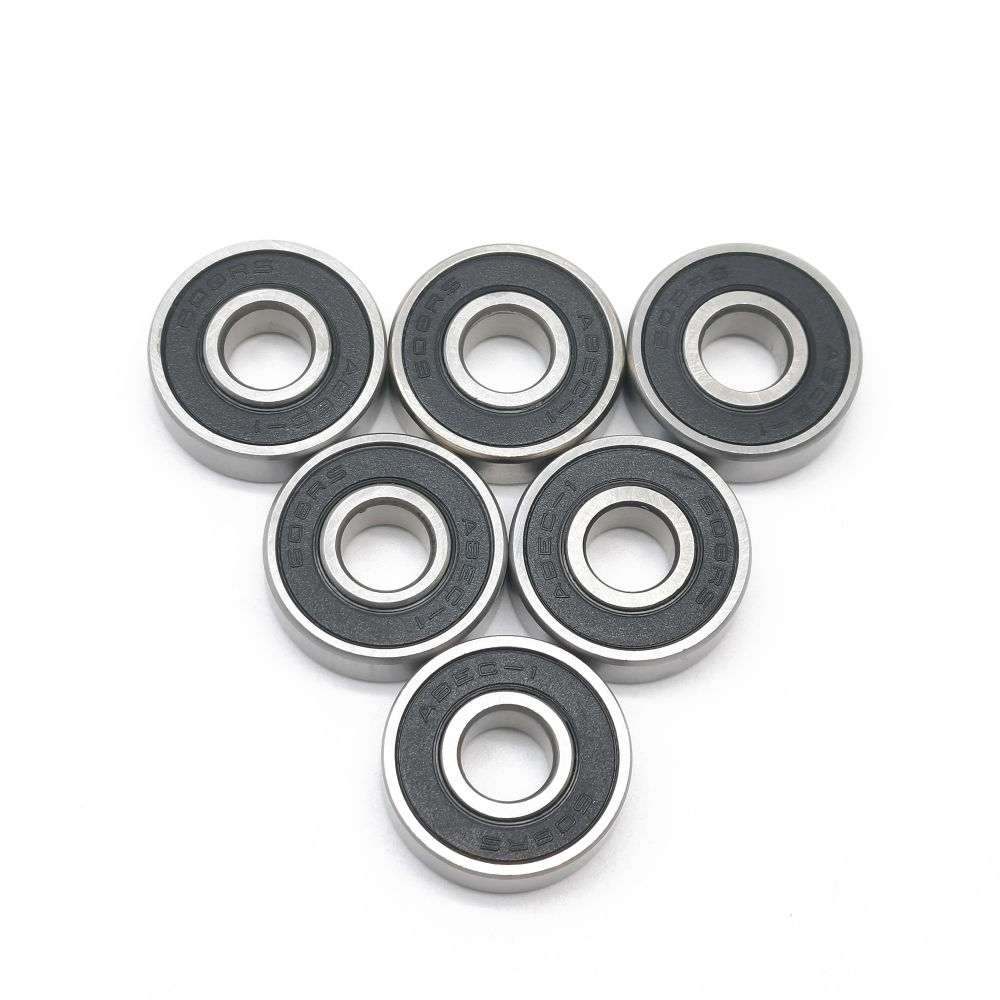


608RS Chrome steel Double Rubber Sealed Deep Groove Ball Bearings
-
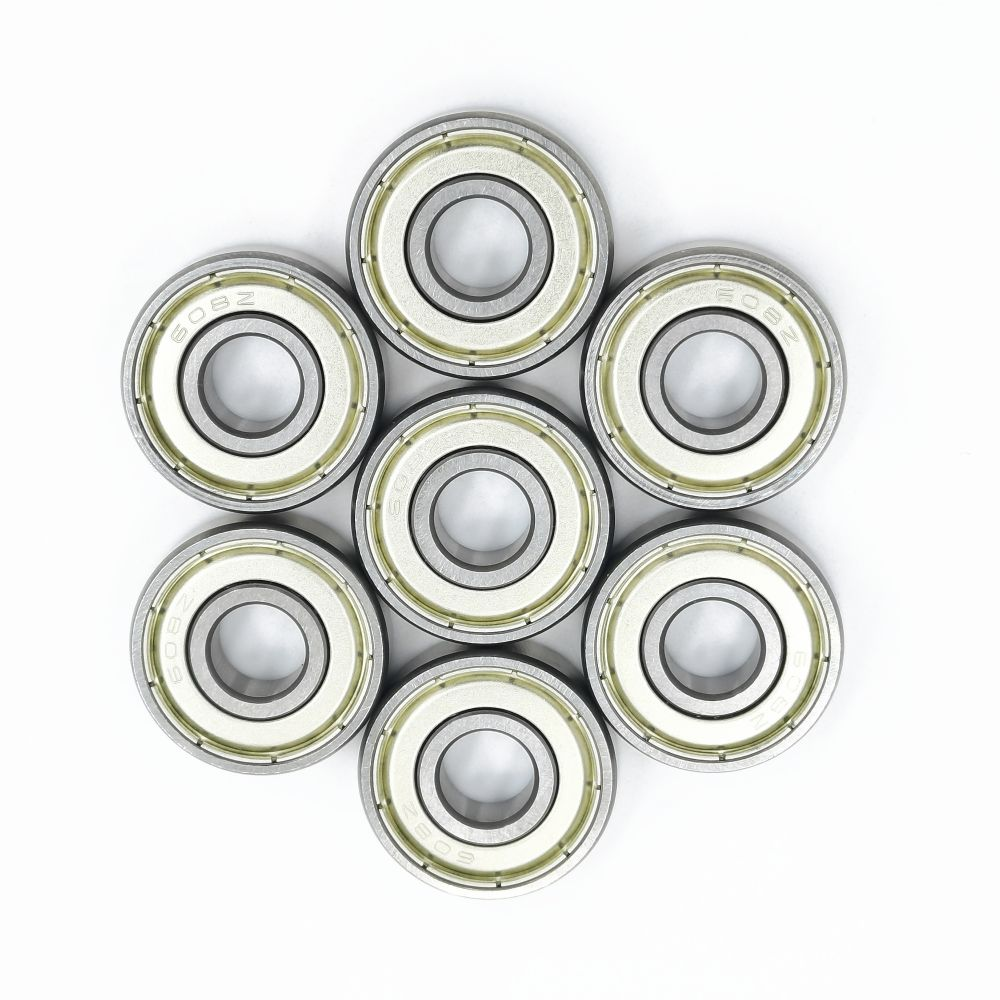
608ZZ Single column Double Iron Sealed Deep Groove Ball Bearing
-
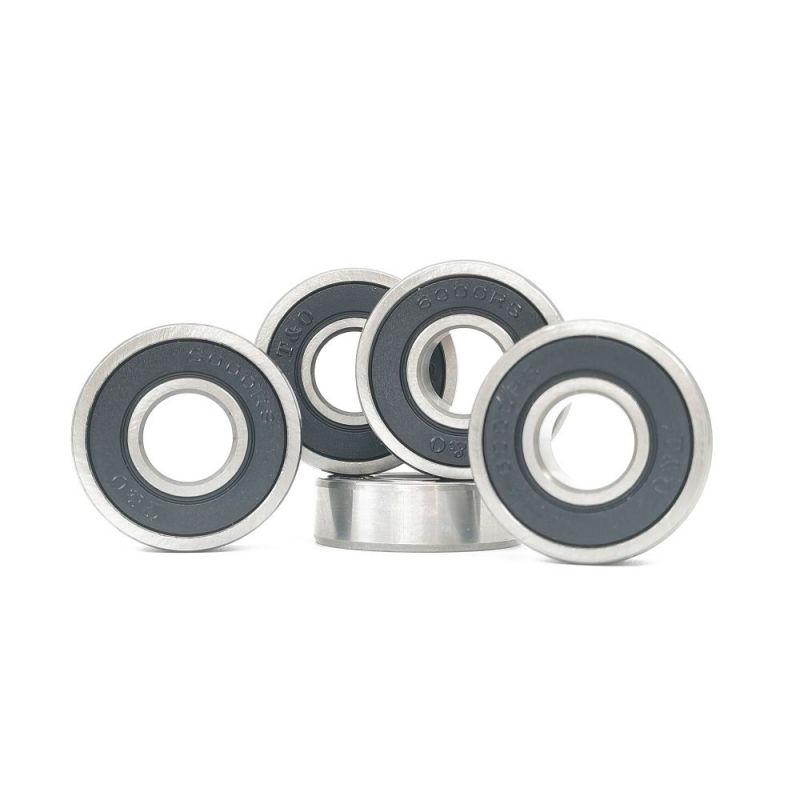
6000RS Carbon steel Double Rubber Sealed Deep Groove Ball Bearings
-
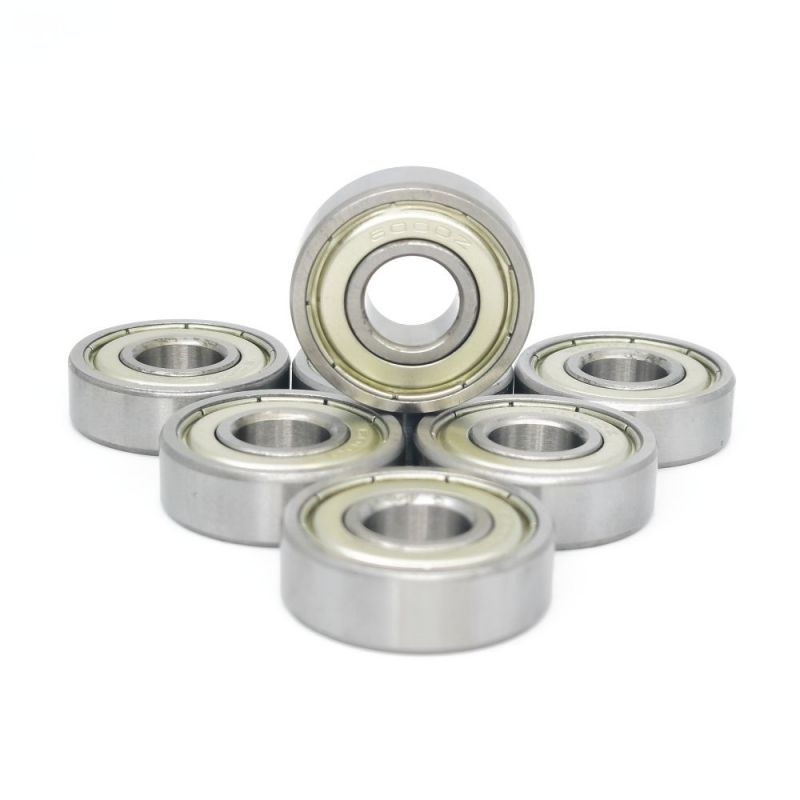
6000ZZ Grease Lubrication Double Iron Sealed Deep Groove Ball Bearing
-
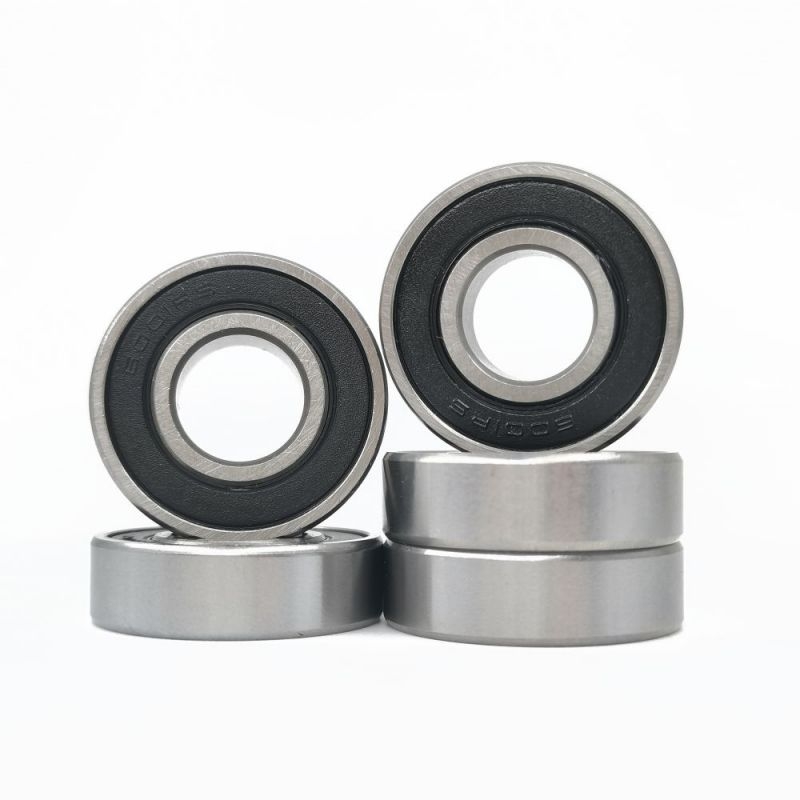
6001RS Double Rubber Sealed Deep Groove Ball Bearings For Motorcycles


Products
CONTACT Us
+86-13362474260 +86-0574-63322565
No. 98 Xinlang Road, Langxia Street, Yuyao City, Zhejiang Province, China
Mobile Site
Copyright© Zhejiang Yingfei Biotechnology Co., Ltd. All Rights Reserved
 Wholesale Motorcycles/Cars Vehicles Bearing Source Factory