
 0
0

 English
 Español
 中文简体
中文简体 عربى
عربى
Industry News

Submit
Submit feedback
How Do You Know If Your Car Bearings Are Bad
2026-07-27
Wheel Hub Engineering
Understanding Car Bearings: Function, Failure Signs, and Manufacturing Standards
A wheel bearing sits at the exact point where a rotating wheel meets a stationary chassis, and every load the vehicle generates — weight, cornering force, braking torque — passes through this single component. Drivers rarely think about this part until it starts making noise, but the internal geometry, material grade, and sealing design of a bearing determine how a vehicle handles, how long a wheel assembly lasts, and how safely a car performs under everyday driving conditions.
What Does a Bearing Do on a Car?
A wheel bearing allows the wheel hub to rotate freely around the axle or spindle while carrying the full weight of the vehicle at that corner. Inside the bearing, rows of steel balls or tapered rollers sit between an inner race and an outer race, separated by a cage that keeps spacing even during rotation. This arrangement converts what would otherwise be direct metal-to-metal friction into rolling contact, which is why a healthy bearing produces almost no resistance even under thousands of rotations per minute.
Three separate forces act on this component at once. Radial load comes from the vehicle's weight pressing straight down through the suspension into the hub. Axial load comes from cornering, where the tire pushes sideways against the road surface and that force is redirected into the bearing races. Torsional load appears during acceleration and braking, when torque is transferred through the hub flange rather than the bearing body itself, but still influences how evenly the internal rollers are loaded.
Deep Groove Ball Bearing
Common on non-driven front or rear axles. Handles moderate radial load well but has limited axial capacity, so it is typically paired with a separate seal and hub assembly rather than used alone on drive axles.
Tapered Roller Bearing
Used in pairs, facing opposite directions, to manage both radial and axial load simultaneously. This design is still found in heavier commercial applications and older passenger vehicle front axles.
Double Row Angular Contact Unit
The standard configuration in modern passenger vehicles. Combines two rows of angled ball contact points into a single sealed cartridge, giving strong radial and axial load handling in one compact unit.
Third Generation Hub Unit
Integrates the bearing, wheel flange, and ABS sensor ring into one bolt-on assembly. This is now the dominant format on production vehicles because it reduces installation variance and keeps sensor timing consistent.
Internal clearance is what separates a precise bearing from a loose one. Manufacturing tolerance on a passenger vehicle hub bearing typically falls between 0.02mm and 0.05mm of radial play when new. As that clearance grows past design limits, the wheel begins to move independently of the hub flange by a small but measurable amount, and that is the mechanical origin of every symptom described in the next section.
How Do You Tell if Your Car Bearings Are Bad?
Bearing wear develops in stages, and each stage produces a distinct signature that can be identified without removing the wheel.
Speed-Dependent Humming
A steady, low-frequency hum that grows louder as road speed increases, typically noticeable from around 40 mph onward. This is the earliest audible sign of race surface wear.
Directional Noise Shift
Noise that changes in volume during turns. A left turn that makes the sound louder usually points to the right side bearing carrying more load; the reverse applies for right turns.
Steering Wheel Vibration
Once the race surface develops pitting, rotation is no longer perfectly smooth, and a rhythmic vibration transmits through the steering column at consistent speed intervals.
Uneven Tire Wear
Excess play lets the wheel tilt slightly out of alignment during rotation, wearing one shoulder of the tire faster than the rest of the tread.
A physical play test remains the most reliable way to confirm bearing condition. With the wheel raised off the ground, grip the tire at the 12 o'clock and 6 o'clock positions and rock it firmly in and out. Any perceptible looseness, separate from suspension bushing movement, indicates the internal clearance has already exceeded a safe range.
| Symptom | Likely Stage | Recommended Action |
| Faint hum only above 40 mph | Early race wear | Schedule inspection within weeks |
| Hum present at all speeds, changes in turns | Moderate wear | Inspect and plan replacement soon |
| Clunking, grinding, visible play at wheel | Advanced wear | Replace before further driving |
| Grinding with heat at hub center | Critical failure risk | Stop driving, replace immediately |
Can I Drive a Car With a Bad Bearing?
A bearing does not fail at a constant rate. Once the hardened race surface develops pitting, each rotation grinds the damaged area further, and metal debris generated from that wear accelerates deterioration of the remaining rollers. What starts as a faint hum can progress to a loose, grinding wheel within a relatively short driving distance, particularly under sustained highway speed or heavy cornering load.
The immediate risk is loss of consistent wheel control. As internal clearance grows, the wheel can tilt slightly under load, changing tire contact patch geometry in a way that affects steering response and braking distance. In advanced failure, the bearing can seize suddenly or fracture, which may allow the wheel hub to separate from its normal rotational path entirely. On vehicles where the ABS tone ring is built into the bearing unit itself, wear or damage in that area can also disrupt wheel speed sensor readings, which affects how the anti-lock braking and stability control systems interpret that corner of the vehicle.
Short, low-speed travel to a repair location is generally lower risk than continued regular driving, but sustained highway travel, sharp cornering, or towing load should be avoided once bearing symptoms are confirmed. Any grinding noise accompanied by heat at the wheel center should be treated as an immediate stop condition rather than something to monitor over additional days.
Material Grade and Manufacturing Precision
Bearing performance begins with steel chemistry. High carbon chromium steel, commonly designated GCr15 or its international equivalents, is heat treated through a controlled quench-and-temper process to achieve a surface hardness that resists pitting under repeated rolling contact. Race surfaces are ground to a mirror-level finish, since even minor surface roughness at a microscopic scale becomes a stress concentration point that accelerates fatigue failure over time.
Raceway Hardness
Finished raceways are typically hardened to a range that balances wear resistance against fracture toughness, avoiding steel that is hard but brittle under shock load.
Rolling Element Sphericity
Ball roundness is held to extremely tight tolerance, since even a few microns of deviation causes uneven load distribution across the raceway during rotation.
Cage Material
Stamped steel cages or engineered polymer cages keep rolling elements evenly spaced, reducing skidding contact that would otherwise generate localized heat.
Seal Design
Double-lip nitrile rubber seals with a stainless steel reinforcement ring keep grease sealed inside while blocking water, dust, and road salt from entering the raceway.
Sealing performance deserves particular attention because seal failure, not raceway fatigue, is one of the most common root causes behind premature bearing wear in real-world use. A contact-type seal maintains constant lip pressure against the rotating shaft, which protects against water intrusion during flooded roads or pressure washing but generates slightly more running friction. A low-friction seal design reduces drag but requires tighter labyrinth geometry to maintain equivalent protection. Matching seal type to the vehicle's expected operating environment is part of a properly engineered hub bearing assembly rather than an afterthought.
Testing Before a Bearing Reaches a Vehicle
A finished bearing unit goes through a sequence of validation steps before it is considered ready for vehicle installation. Radial runout testing confirms that rotation stays within a tight geometric tolerance, which directly affects noise and vibration once installed. Rotational torque testing measures resistance during a full rotation cycle, catching any binding or inconsistency in preload that would otherwise show up later as premature heat generation.
Endurance testing runs a bearing sample through a continuous high-speed cycle that simulates tens of thousands of kilometers of equivalent road use, tracking temperature rise and vibration signature over the full duration. Salt spray testing evaluates corrosion resistance of the seal and exterior housing under an accelerated humid, saline environment, which correlates with how a bearing performs in regions where winter road salt is common. Shock load testing applies sudden impact force to confirm the raceway and rolling elements do not develop immediate surface damage from pothole-style impacts.
Runout Tolerance
Held within microns to keep rotation smooth and to avoid transmitting vibration into the hub flange and steering system.
Endurance Cycle
Continuous rotation testing under simulated load replicates extended road use before a design is approved for production.
Salt Spray Exposure
Extended exposure testing checks seal integrity and housing corrosion resistance under harsh road salt conditions.
Shock Load Response
Impact testing confirms the raceway resists denting or surface fatigue from sudden pothole or curb strike loads.
Fit, Sensor Integration, and Installation Considerations
Modern hub bearing units are rarely a standalone bearing anymore. Most passenger vehicles now use a bolt-on hub assembly that combines the bearing, the wheel mounting flange, and in many cases a magnetic or optical ABS sensor ring into a single part. This integration reduces variation between individual installations, since the bearing preload is set during manufacturing rather than adjusted by hand during a repair.
Correct installation torque on the hub retaining nut or flange bolts is critical, because both under-torque and over-torque change how load is distributed across the internal raceway. Under-torque allows micro-movement between mating surfaces that generates fretting wear, while over-torque can introduce unwanted preload that accelerates fatigue even on an otherwise correctly manufactured part. Reputable hub units are supplied with a specified torque value and, where relevant, a defined tightening sequence to ensure the sensor ring remains correctly aligned with its reader.
Sensor alignment matters just as much as mechanical fit. Where the ABS tone ring is built into the bearing seal, correct air gap between the ring and the sensor head must be maintained within a narrow range, since a gap that is too wide produces a weak or intermittent signal, and any physical damage to the ring teeth during installation can create the same effect as a mechanically worn bearing even when the raceway itself is undamaged.
Extending Service Life Through Everyday Driving Habits
Bearing longevity is influenced heavily by conditions outside the part itself. Repeated driving through deep water raises internal pressure inside the sealed cavity as trapped air heats and cools, which can draw moisture past a seal lip that would otherwise remain fully protective. Allowing wheels to cool gradually after fording water, rather than immediately pressure washing a hot hub, reduces this risk.
Wheel and tire balance also plays a supporting role. An imbalanced wheel introduces a repeating vibration at every rotation, and while that vibration is small, it accumulates as fatigue cycling on the bearing raceway over tens of thousands of kilometers. Loose or worn suspension components have a similar effect, since any looseness elsewhere in the corner assembly transfers additional, uneven load into the bearing rather than distributing it as originally engineered. Routine wheel balancing and prompt attention to suspension bushing wear are both practical ways to protect bearing life without any direct bearing-related maintenance at all.
Common Questions
Does a bad bearing always make noise?
In the vast majority of cases yes, though on some vehicles road noise or tire noise can mask an early-stage hum until wear has progressed further.
Can one bad bearing affect braking?
Where the ABS sensor ring is integrated into the bearing, wear or damage at that location can distort wheel speed signal accuracy, which affects how the braking system responds at that corner.
Is front or rear bearing wear more common?
Front bearings generally carry more combined radial and steering load, so they tend to show wear symptoms somewhat earlier than rear units on most passenger vehicles.
Does bearing noise change with acceleration?
Bearing noise is tied to wheel rotation speed rather than engine load, so it typically stays consistent whether the vehicle is accelerating, coasting, or maintaining steady speed at the same road speed.
recommend products
-
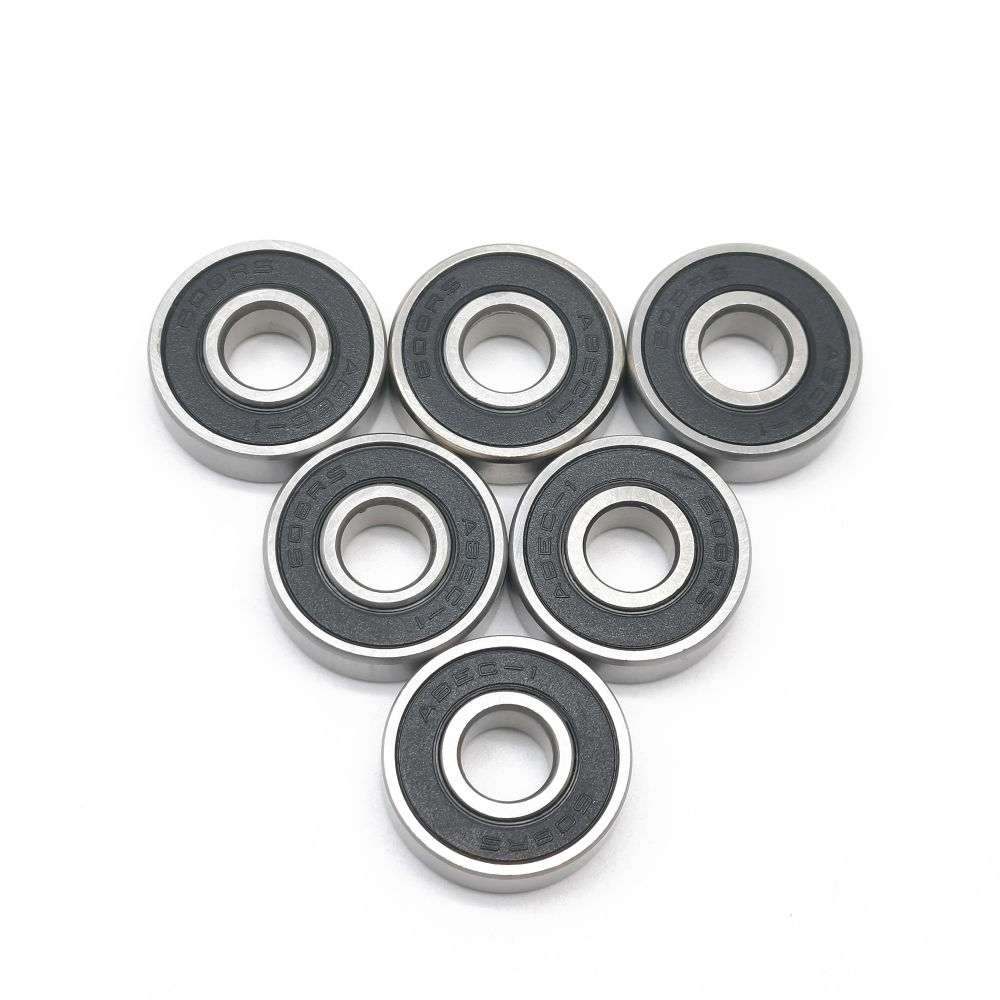


608RS Chrome steel Double Rubber Sealed Deep Groove Ball Bearings
-
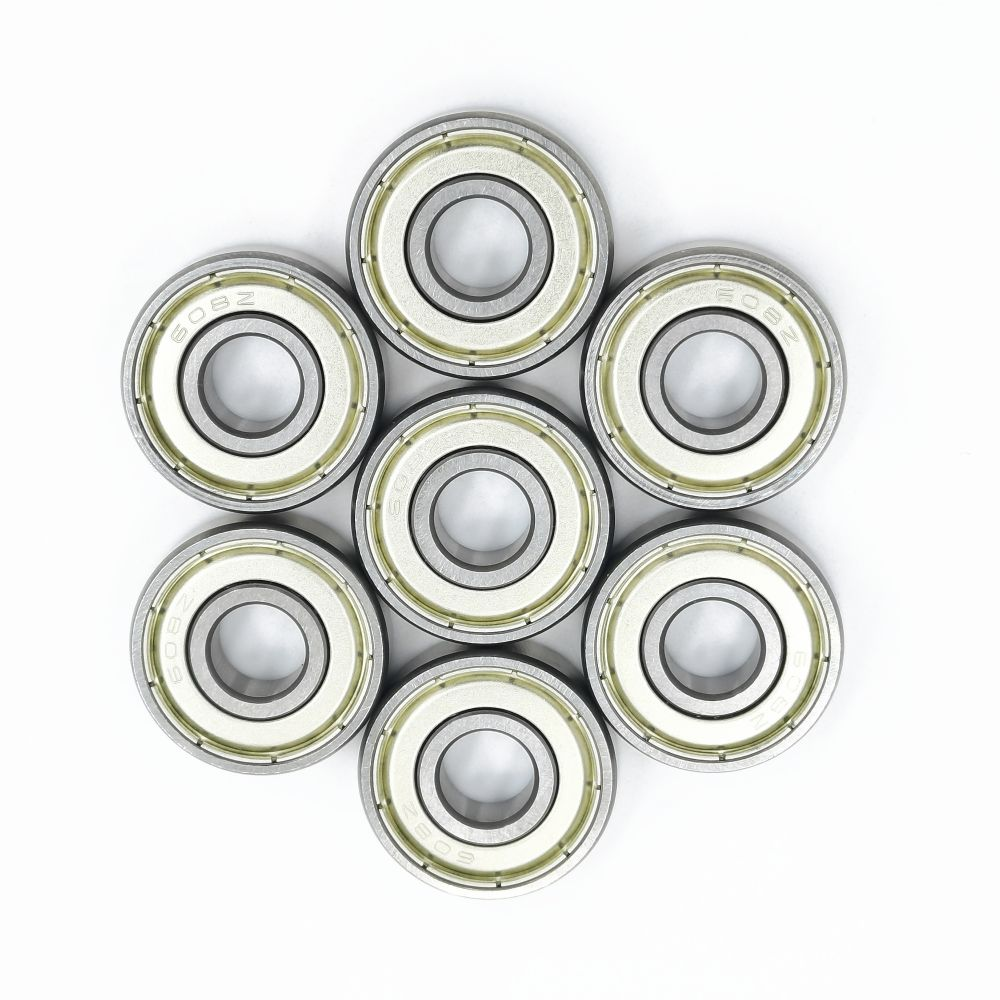
608ZZ Single column Double Iron Sealed Deep Groove Ball Bearing
-
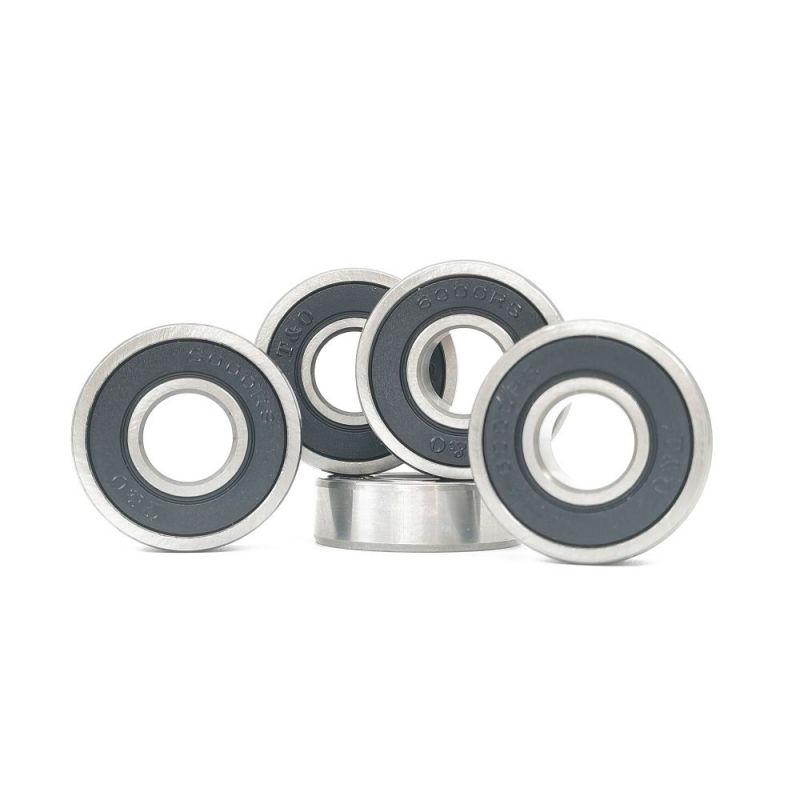
6000RS Carbon steel Double Rubber Sealed Deep Groove Ball Bearings
-
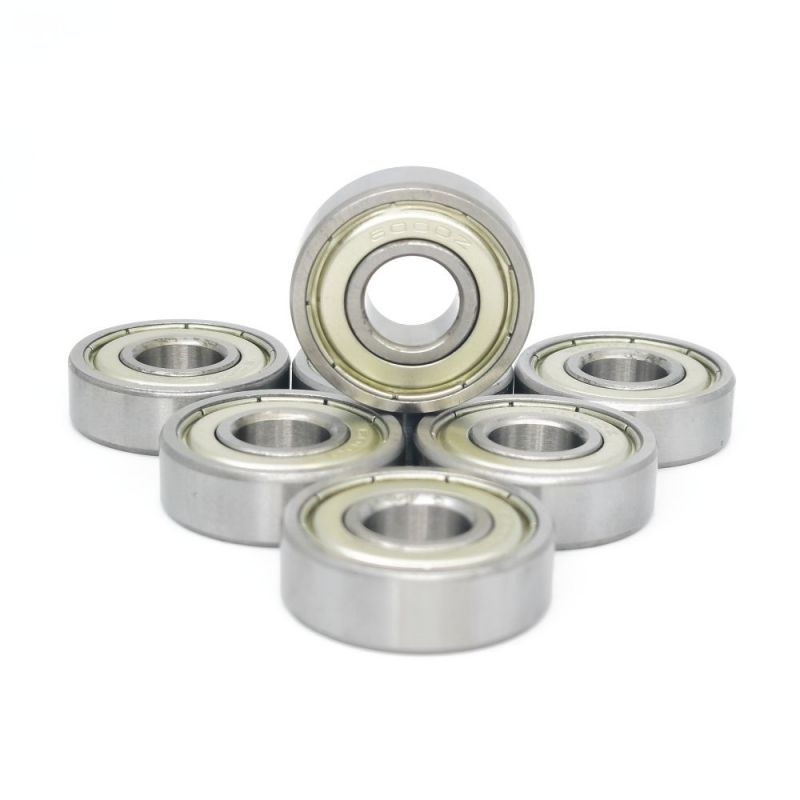
6000ZZ Grease Lubrication Double Iron Sealed Deep Groove Ball Bearing
-
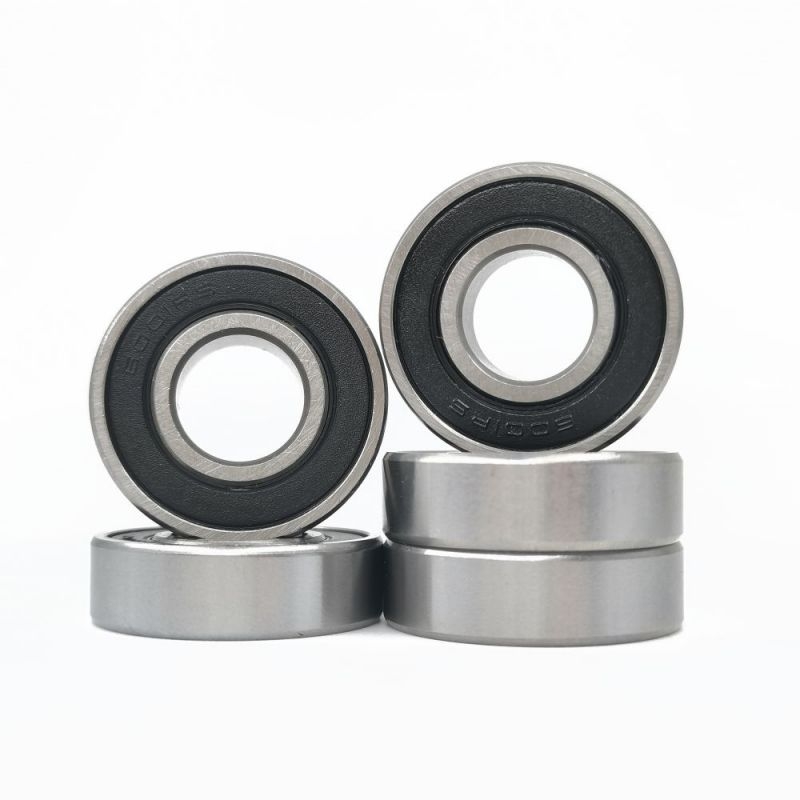
6001RS Double Rubber Sealed Deep Groove Ball Bearings For Motorcycles


Products
CONTACT Us
+86-13362474260 +86-0574-63322565
No. 98 Xinlang Road, Langxia Street, Yuyao City, Zhejiang Province, China
Mobile Site
Copyright© Zhejiang Yingfei Biotechnology Co., Ltd. All Rights Reserved
 Wholesale Motorcycles/Cars Vehicles Bearing Source Factory