
 0
0

 English
 Español
 中文简体
中文简体 عربى
عربى
Industry News

Submit
Submit feedback
What Is a Ball Bearing and How Are Ball Bearings Made
2026-07-20
Every rotating mechanical system depends on a component that most operators never see but constantly rely on — the ball bearings installed inside gearboxes, motors, wheel hubs, and industrial spindles. As a manufacturing facility that produces precision ball bearing components at scale, we regularly receive technical inquiries from engineers, procurement teams, and maintenance technicians asking what is the ball bearing, how it is engineered, and which configuration suits a specific load condition. This page consolidates that technical knowledge into one reference, covering structure, classification, production methods, and field diagnostics.
What Is a Ball Bearing? Core Definition and Function
Definition
What Is a Ball Bearing?
A ball bearing is a rolling-element mechanical component designed to reduce rotational friction between two surfaces by using spherical balls positioned between an inner ring and an outer ring. The balls carry the load while rolling, replacing sliding contact with rolling contact, which lowers heat generation and extends component life.
Function
What Are Ball Bearings For?
Ball bearings support rotating shafts while allowing free rotation, controlling radial and axial positioning, absorbing vibration, and maintaining alignment under load. They are found in electric motors, automotive wheel assemblies, conveyor rollers, pumps, and precision spindles.
Structure
Balls and Bearings Working Together
Balls and bearings function as a matched system: the balls, the raceway geometry of the rings, and the cage that spaces the balls evenly must all be manufactured to matching tolerances. A mismatch in any one part reduces rotational accuracy and shortens service life.
A standard ball bearing assembly consists of four functional parts: the inner ring, the outer ring, the rolling balls, and the cage (retainer). The inner ring mounts on the rotating shaft, the outer ring seats in the housing, and the cage keeps the balls evenly spaced to prevent contact friction between adjacent balls.
Deep Groove Ball Bearing Design and Load Characteristics
Among all rolling-element designs, the deep groove ball bearing is the configuration most frequently specified across general industrial equipment. Its raceway is machined with a groove depth close to the ball radius, which allows the deep groove ball bearing to support both radial load and moderate axial load in either direction, without requiring a matched pair or additional locating bearing.
2
Load directions supported (radial + axial)
Low
Friction coefficient during operation
High
Maximum permissible rotational speed
Simple
Installation and maintenance requirement
Because the deep groove ball bearing does not require adjustment during installation and tolerates minor misalignment better than many other rolling designs, it remains the default choice for electric motor shafts, gearbox input/output shafts, fans, pumps, and household appliance motors.
What Are the 4 Types of Ball Bearings?
Engineers asking what are the 4 types of ball bearings are typically comparing load direction, speed capacity, and misalignment tolerance. The four primary categories recognized across the bearing manufacturing industry are outlined below.
01
Deep Groove Ball Bearing
Handles combined radial and axial loads with low noise and low friction. Suitable for high-speed rotation and general-purpose applications.
02
Angular Contact Ball Bearing
Raceways are offset at a contact angle, giving strong one-directional axial capacity. Often mounted in matched pairs for two-directional axial load.
03
Self-Aligning Ball Bearing
Spherical outer raceway allows automatic compensation for shaft deflection or housing misalignment, useful on long transmission shafts.
04
Thrust Ball Bearing
Engineered exclusively for axial load in one direction; not suitable for radial load. Common in vertical shaft positioning applications.
The following comparison summarizes performance differences among the four types so that selection can be matched to actual operating conditions rather than assumption.
| Type | Radial Load Capacity | Axial Load Capacity | Speed Range | Self-Aligning |
| Deep Groove Ball Bearing | High | Moderate | High | No |
| Angular Contact Ball Bearing | Moderate | High | High | No |
| Self-Aligning Ball Bearing | Moderate | Low | Moderate | Yes |
| Thrust Ball Bearing | Not Applicable | High | Low to Moderate | No |
How Are Ball Bearings Made? Inside the Production Process
The question how are ball bearings made comes up often from buyers evaluating supplier capability. Precision bearing production is a multi-stage process that combines metallurgy, precision machining, and dimensional inspection at every step.
Step 1
Raw Material Selection
High-carbon chromium bearing steel is selected for its hardness, wear resistance, and fatigue strength, forming the foundation for long service life.
Step 2
Ball Forming
Steel blanks are cold-headed into rough spheres, then processed through rough grinding, heat treatment, precision grinding, and super-finishing to achieve roundness within microns.
Step 3
Ring Machining
Inner and outer rings are turned, heat-treated for hardness, then ground and honed so raceway geometry matches ball diameter precisely.
Step 4
Assembly and Inspection
Balls, cage, and rings are assembled, then tested for vibration, noise, rotational accuracy, and load performance before packaging.
Manufacturing Capability and Product Range
As a production facility rather than a trading intermediary, our workshop controls every stage described above under one roof — from steel selection to final packaging — which allows tighter tolerance control and shorter lead times on both standard and custom-dimension ball bearing orders.
Bore Size Range
Miniature bearings from 3mm bore through heavy-duty industrial bearings exceeding 200mm bore, covering motors, gearboxes, and heavy machinery shafts.
Sealing Options
Open type, rubber-sealed (RS/2RS), and metal-shielded (Z/2Z) configurations available depending on contamination exposure and lubrication interval requirements.
Material Grades
Chrome steel (GCr15) for standard duty, stainless steel for corrosive environments, and ceramic hybrid balls for high-speed, low-friction applications.
Precision Classes
Standard ABEC-1 through high-precision ABEC-7 grades, selected according to rotational accuracy and vibration tolerance needed by the end application.
Where Ball Bearings Are Applied Across Industries
Automotive
Wheel hubs, alternators, steering columns, and transmission shafts.
Industrial Machinery
Gearboxes, conveyor systems, pumps, and compressors.
Agricultural Equipment
Harvester rollers, tillage shafts, and irrigation pump motors.
Home Appliances
Washing machine drums, fan motors, and kitchen appliance drives.
Can I Drive with a Bad Ball Bearing? Warning Signs to Check
Drivers frequently ask can I drive with a bad ball bearing when a wheel bearing begins showing early symptoms. From a technical standpoint, continuing to operate a vehicle on a failing bearing carries measurable risk, since bearing degradation accelerates once surface fatigue begins.
Symptoms of a Failing Wheel Bearing
Continuous humming or rumbling noise that changes with vehicle speed
Steering wheel vibration, especially during turns
Noticeable play when the wheel is lifted and rocked by hand
Unusual heat buildup near the wheel hub after driving
If any of the symptoms above are present, the bearing should be inspected and replaced promptly. Continued driving on a deteriorating bearing can lead to ball fracture, raceway spalling, and in advanced cases, wheel seizure or separation — a direct safety hazard rather than a gradual inconvenience.
Selection and Maintenance Guidance
Lubrication
Grease condition should be checked on a scheduled interval; insufficient lubrication causes dry contact between balls and raceway, accelerating wear.
Sealing Integrity
Worn seals allow dust and moisture ingress, which contaminates the raceway surface and shortens bearing life significantly.
Load Rating Compliance
Operating a bearing beyond its rated load induces fatigue cracking in the raceway, leading to premature failure under cyclic stress.
Installation Accuracy
Improper press-fit or shaft misalignment during installation creates uneven internal stress distribution, reducing rotational smoothness.
Choosing the correct ball bearing configuration depends on shaft speed, load direction, ambient contamination, and required service interval. Our production line supports both catalog specifications and custom-engineered dimensions, with in-house tooling for raceway grinding, ball lapping, and precision assembly, allowing consistent output whether the order calls for a single prototype batch or continuous volume production.
recommend products
-
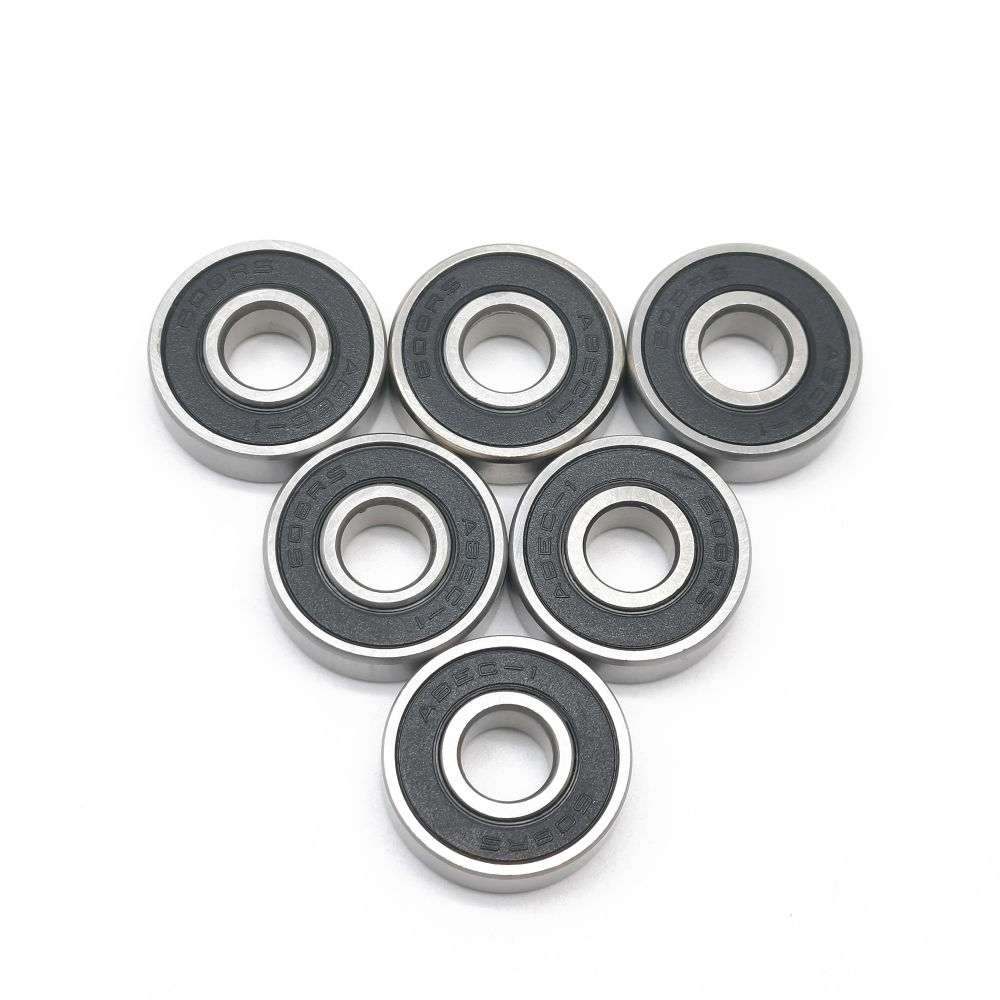


608RS Chrome steel Double Rubber Sealed Deep Groove Ball Bearings
-
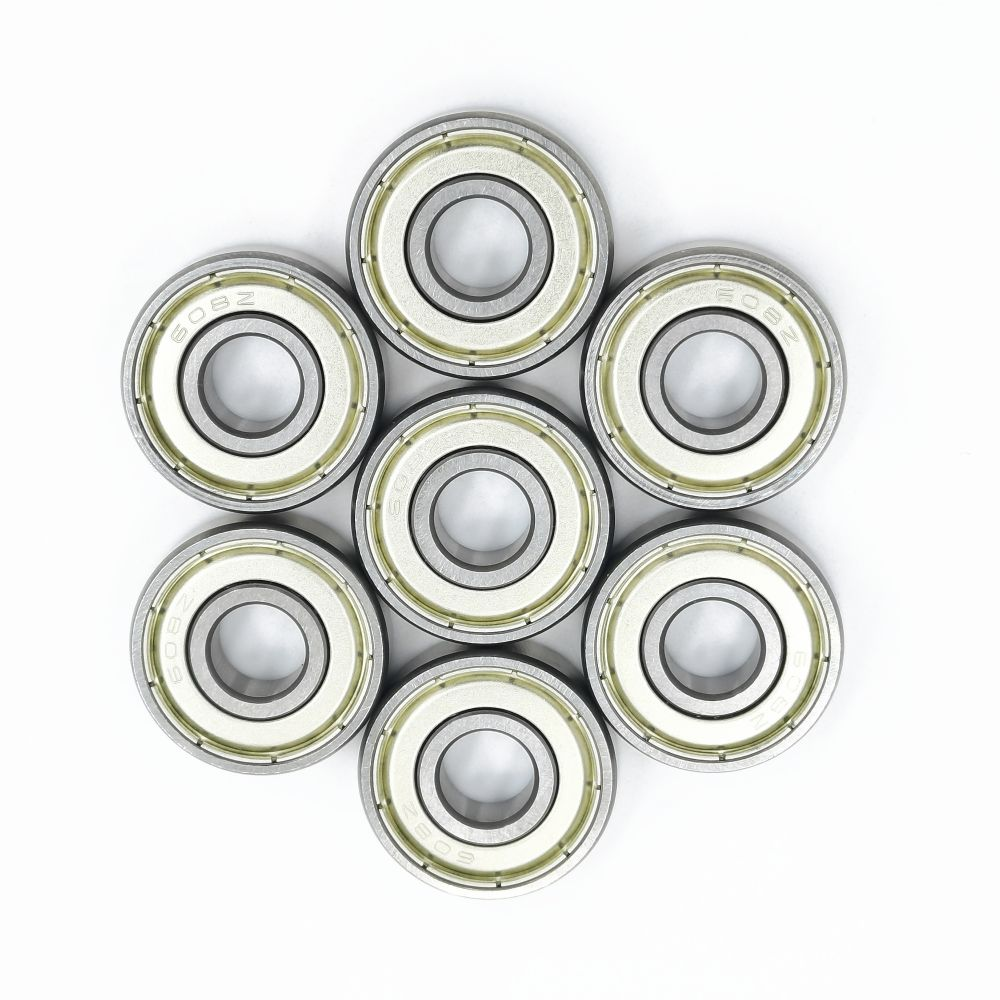
608ZZ Single column Double Iron Sealed Deep Groove Ball Bearing
-
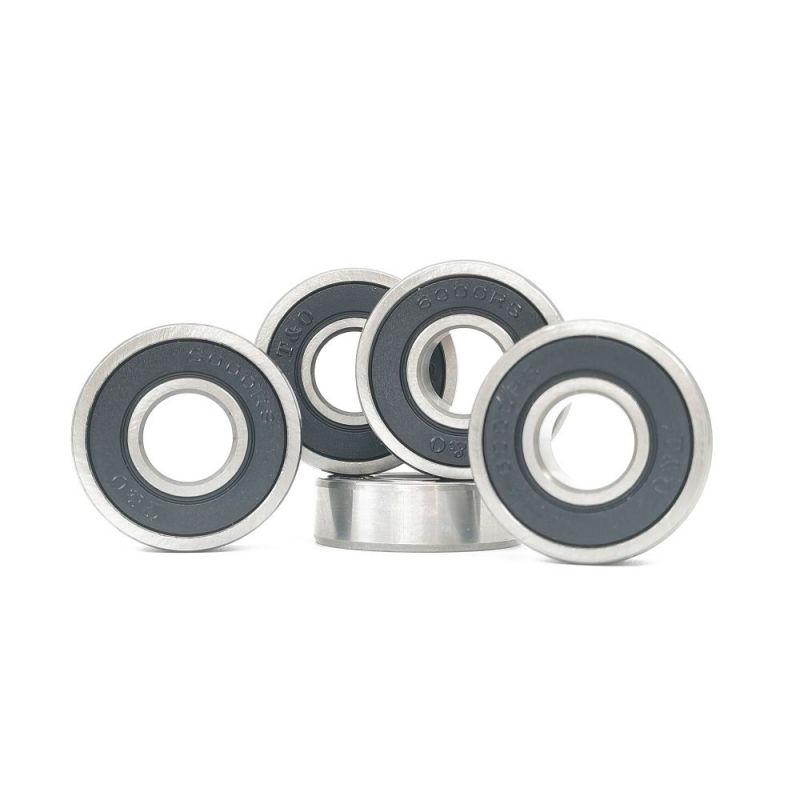
6000RS Carbon steel Double Rubber Sealed Deep Groove Ball Bearings
-
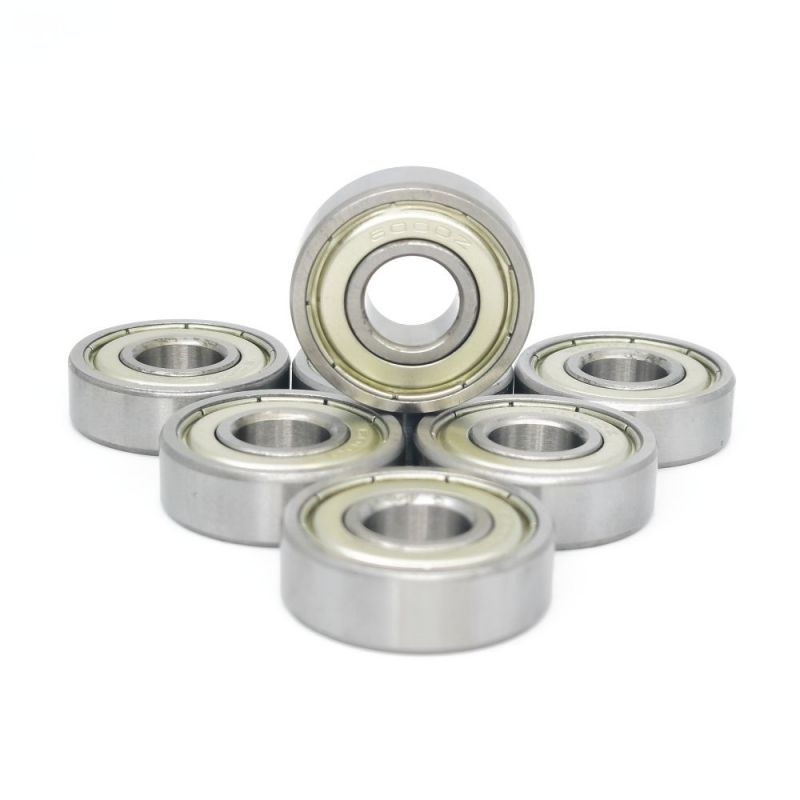
6000ZZ Grease Lubrication Double Iron Sealed Deep Groove Ball Bearing
-
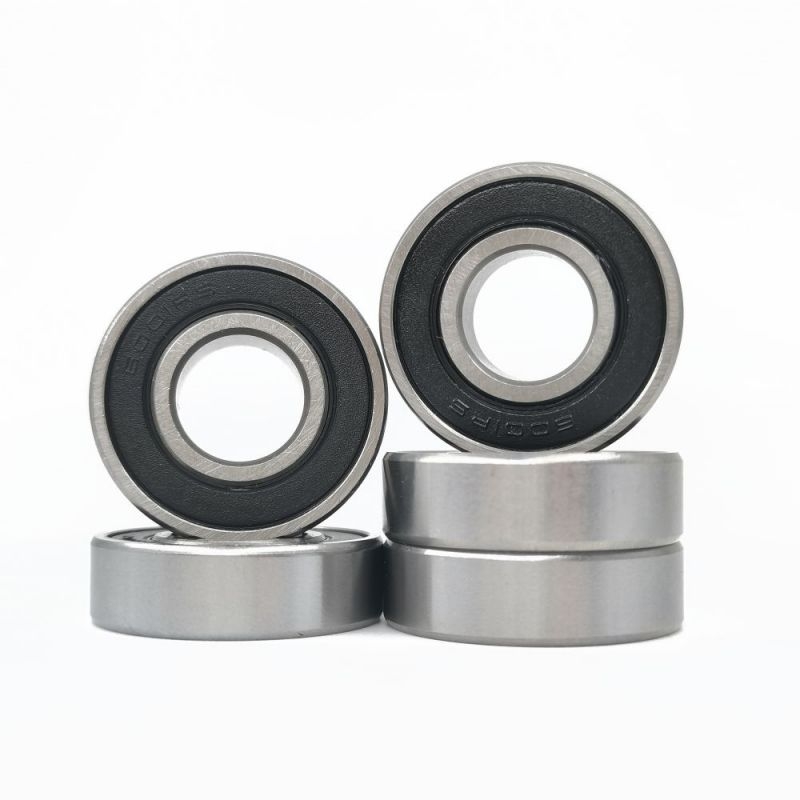
6001RS Double Rubber Sealed Deep Groove Ball Bearings For Motorcycles


Products
CONTACT Us
+86-13362474260 +86-0574-63322565
No. 98 Xinlang Road, Langxia Street, Yuyao City, Zhejiang Province, China
Mobile Site
Copyright© Zhejiang Yingfei Biotechnology Co., Ltd. All Rights Reserved
 Wholesale Motorcycles/Cars Vehicles Bearing Source Factory