
 0
0

 English
 Español
 中文简体
中文简体 عربى
عربى
Industry News
Home / News / Industry News / Why Are stainless steel bearings Essential for Corrosion Resistant and High Load Applications

2026-06-10
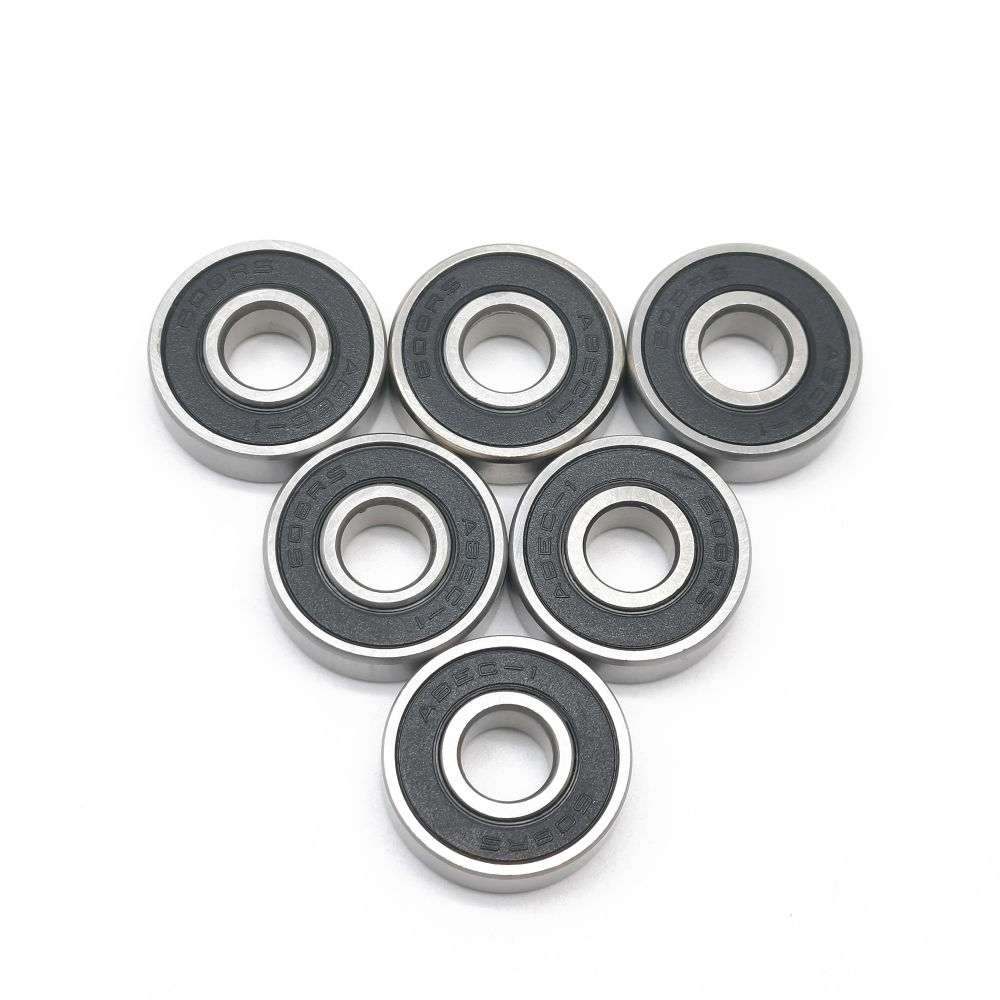
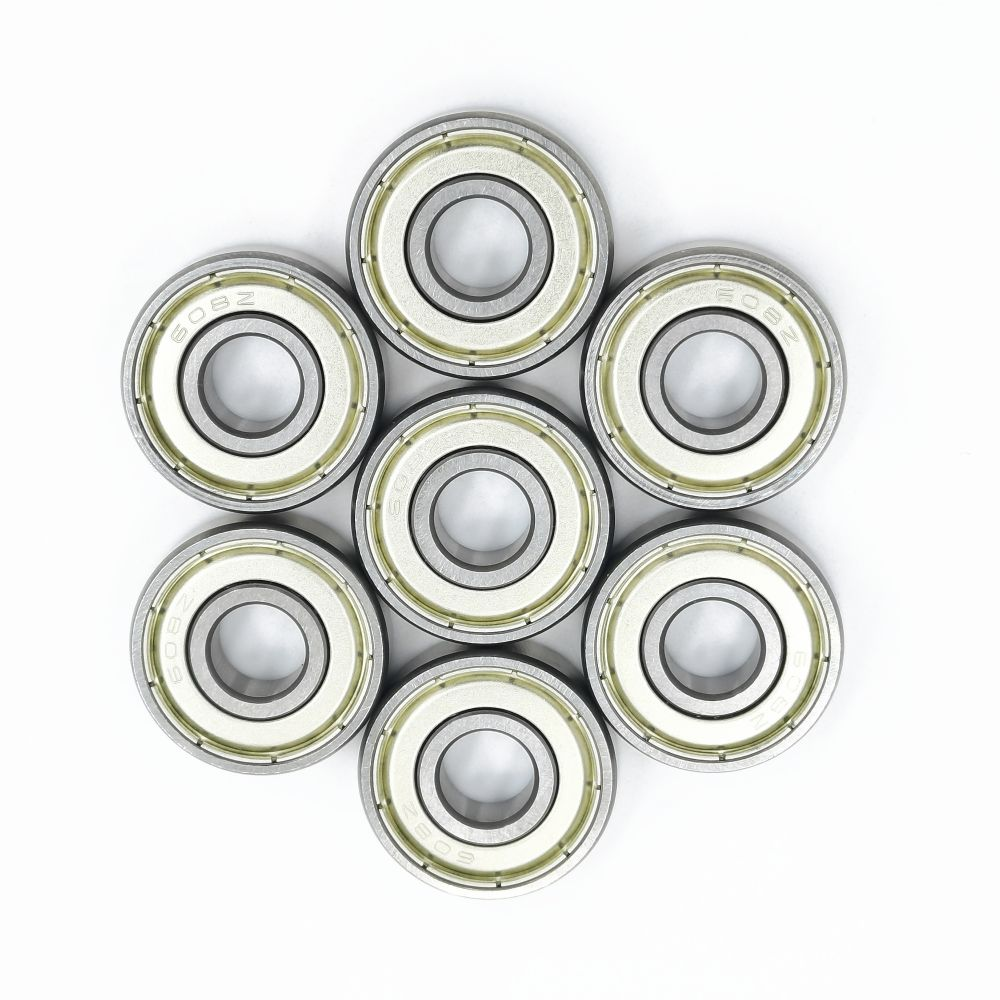
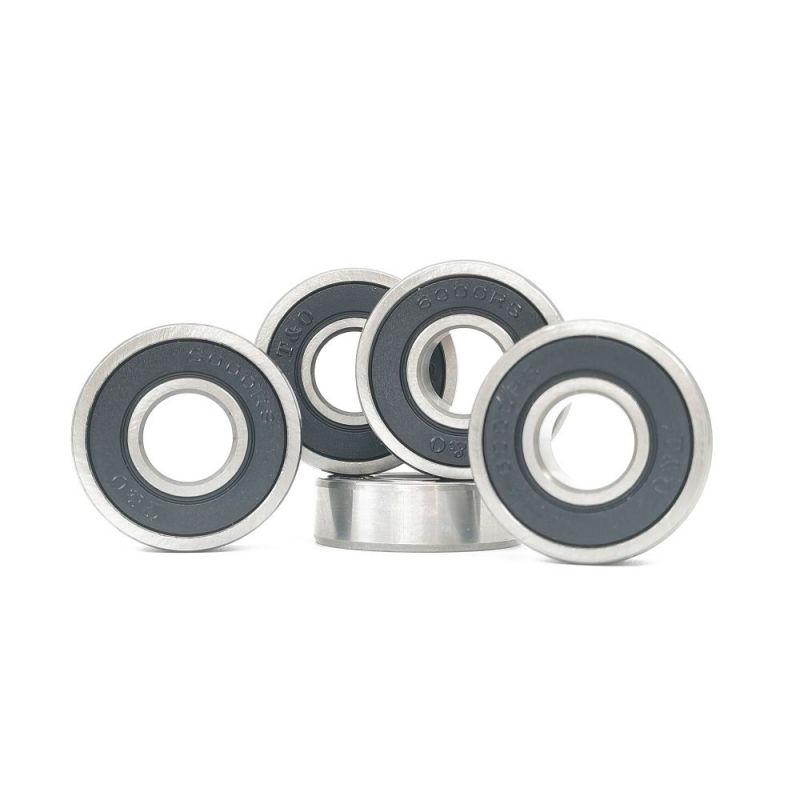
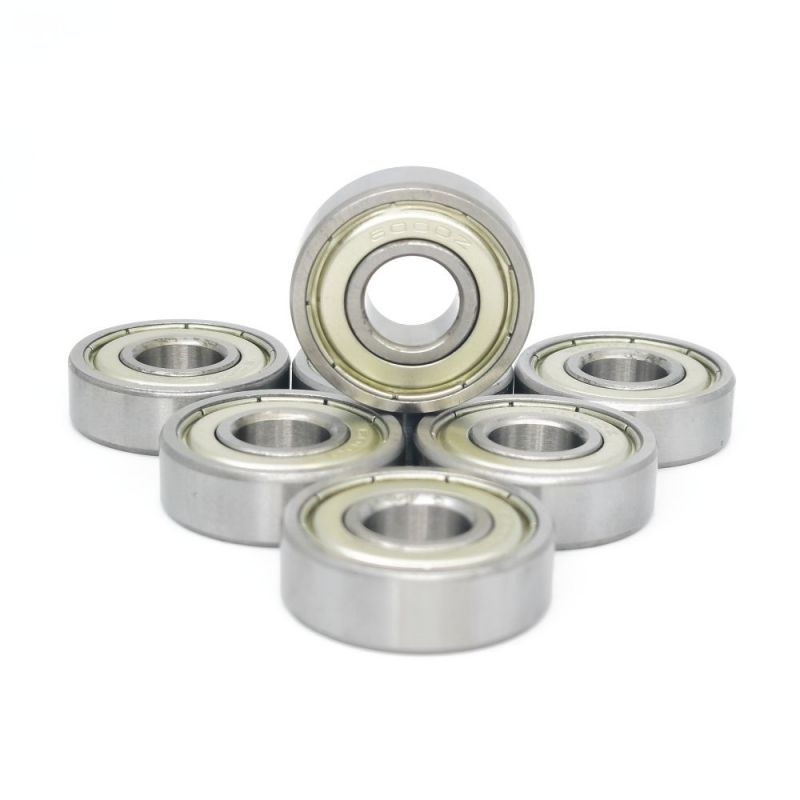
In industrial transmission systems and precision machinery, stainless steel bearings are widely applied due to their strong corrosion resistance and stable mechanical properties. Compared with conventional bearing materials, stainless bearings provide improved durability in humid, high-temperature, and chemically aggressive environments, making them suitable for continuous operation conditions.
The corrosion resistance of stainless steel bearings is mainly achieved through a chromium-rich passive layer formed on the surface. This protective film reduces oxidation and chemical attack from moisture, salt spray, and acidic media. In high-humidity environments, stainless bearings maintain stable friction characteristics and reduce wear rate over long operational cycles.
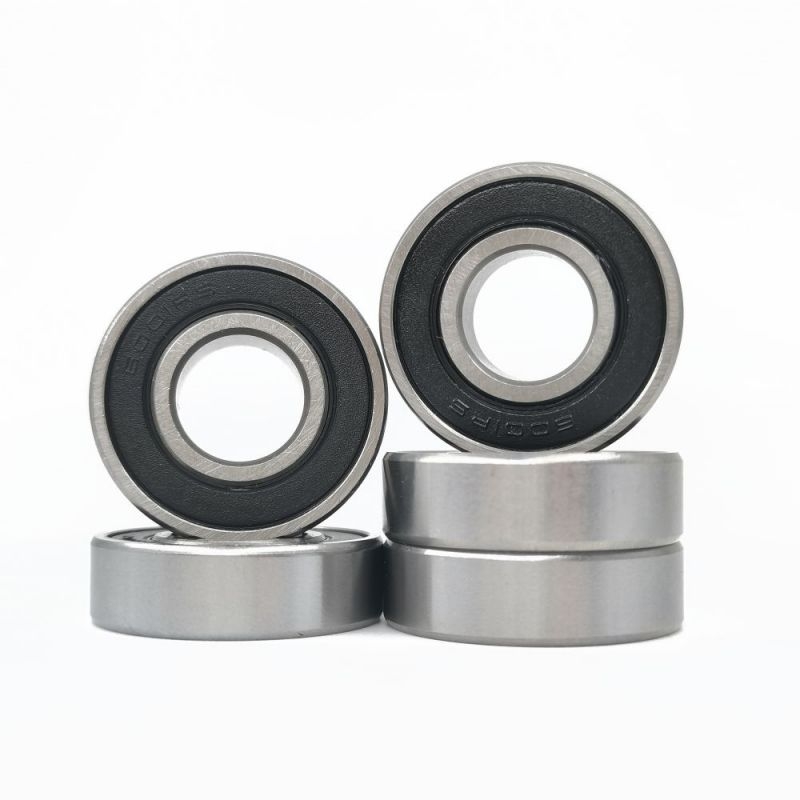
In precision equipment, stainless steel ball bearings are commonly used due to their rolling contact structure. The steel balls provide smooth rotational movement with reduced friction, making them suitable for high-speed mechanical systems. These stainless steel ball bearings are often selected in applications requiring continuous rotation and stable motion control.
stainless ball bearings are designed to ensure uniform material composition and consistent mechanical performance. They are widely used in systems where vibration reduction and rotational stability are critical. The optimized rolling elements improve load distribution and reduce localized stress on contact surfaces.
stainless steel thrust bearing is specifically designed to handle axial loads. Its structural configuration allows force to be distributed evenly across the bearing surfaces, reducing deformation under pressure. This type of bearing is commonly used in vertical load systems and thrust transmission assemblies where axial stability is required.
stainless steel linear bearings are used in linear motion systems where guided movement is required along a straight path. Through circulating rolling elements, they achieve low-friction linear displacement. In corrosive environments, these bearings maintain stable guiding accuracy and reduce maintenance requirements in automated equipment and precision positioning systems.
Performance characteristics vary significantly among different stainless steel bearings structures depending on load direction and operating conditions.
stainless steel ball bearings
High rotational speed capability
Low friction coefficient due to point contact rolling structure
Primary radial load support
Suitable for high-speed rotating machinery systems
stainless steel thrust bearing
Medium to low speed operation range
Moderate friction due to axial contact design
Designed for axial load support
Used in thrust support and vertical load assemblies
stainless steel linear bearings
Linear motion operation system
Low resistance sliding or rolling motion
Medium to high load capacity depending on design
Applied in linear guide and positioning systems
In corrosive industrial environments such as marine equipment, food processing machinery, and chemical processing systems, stainless steel bearings demonstrate stable operational performance. The reduced dependence on frequent lubrication improves system reliability and reduces maintenance intervals.
In automated precision systems, stainless steel linear bearings are often combined with stainless steel ball bearings to integrate rotational and linear motion control. This combination enhances overall mechanical accuracy and improves motion consistency in complex assemblies.
For mechanical structures subjected to combined loading conditions, stainless steel thrust bearing improves axial force distribution and reduces structural stress concentration. This helps maintain mechanical stability under continuous load variations.
Different types of stainless steel bearings are engineered for specific mechanical models, enabling stable operation across a wide range of industrial applications with varying load directions and motion requirements.


Products
CONTACT Us
Mobile Site
Copyright© Zhejiang Yingfei Biotechnology Co., Ltd. All Rights Reserved
 Wholesale Motorcycles/Cars Vehicles Bearing Source Factory