
 0
0

 English
 Español
 中文简体
中文简体 عربى
عربى
Industry News
Home / News / Industry News / How Do You Choose Between Steel and Stainless Steel Ball Bearings for Extreme Industrial Environments

2026-06-17
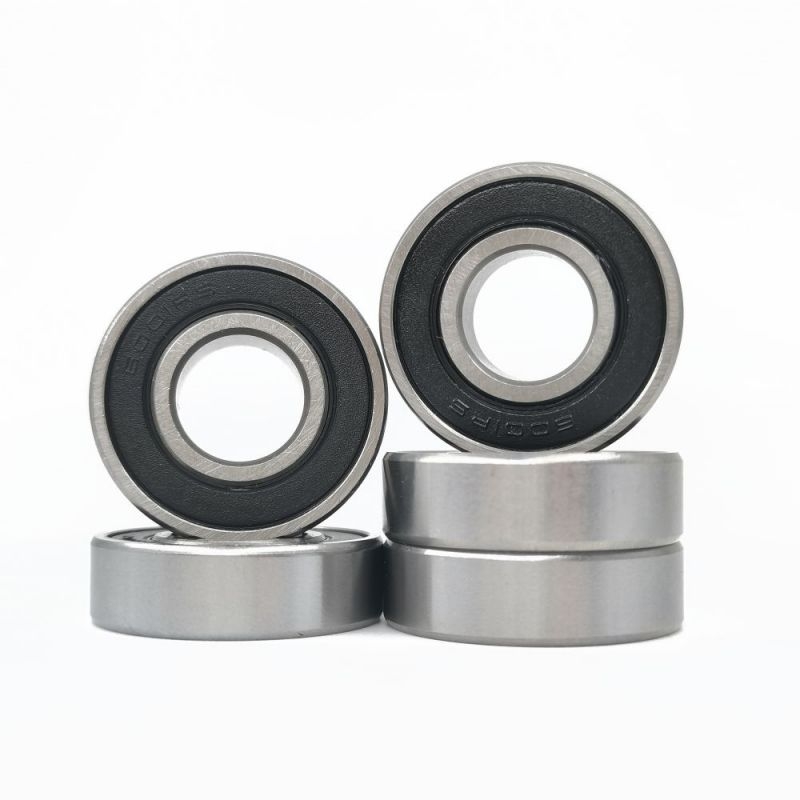
In modern precision machinery, automation control, and harsh industrial environments, the reliability of rotary and linear transmission components directly determines the operating life and mechanical efficiency of the entire system. Among various types of rolling bearings, the choice between steel ball bearings and stainless steel bearings is the most core technical decision for engineers and procurement teams. Understanding the performance of different bearings under corrosion resistance, mechanical load, and extreme temperatures can directly solve the problem of unscheduled downtime caused by bearing failure in production lines.
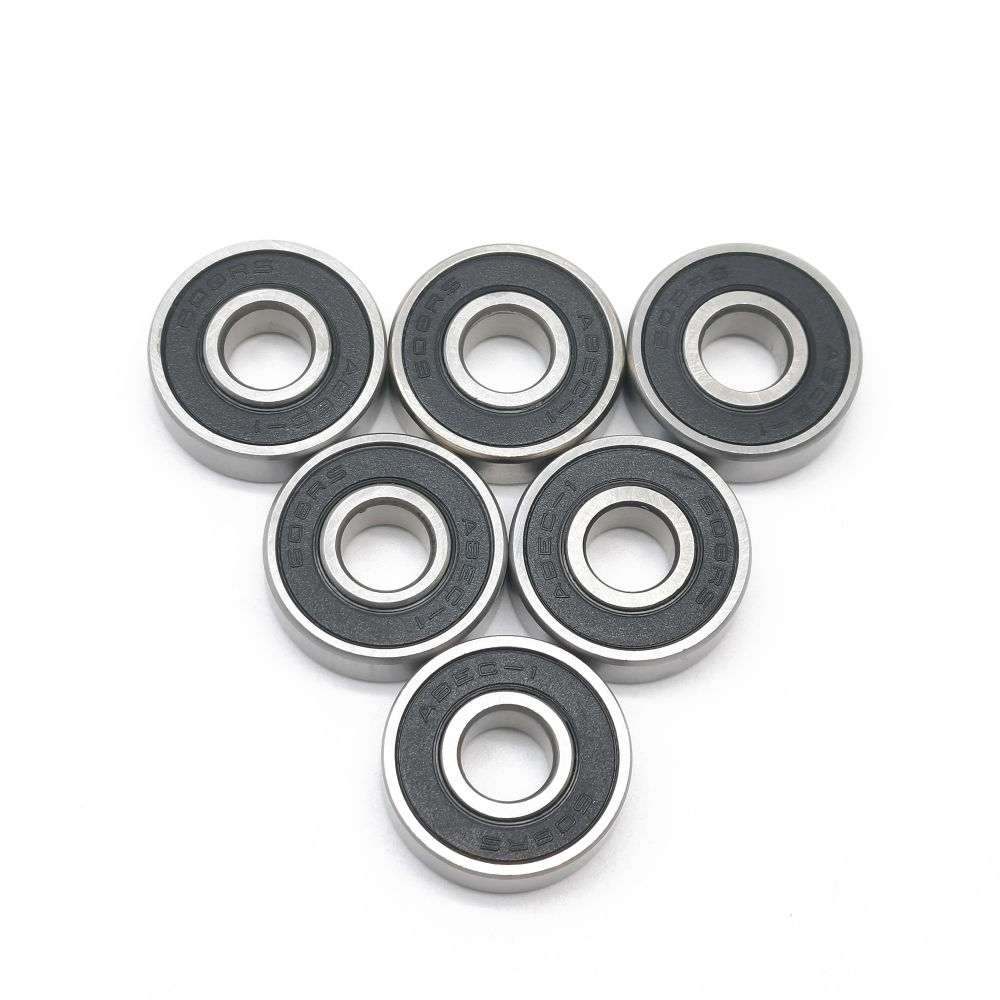
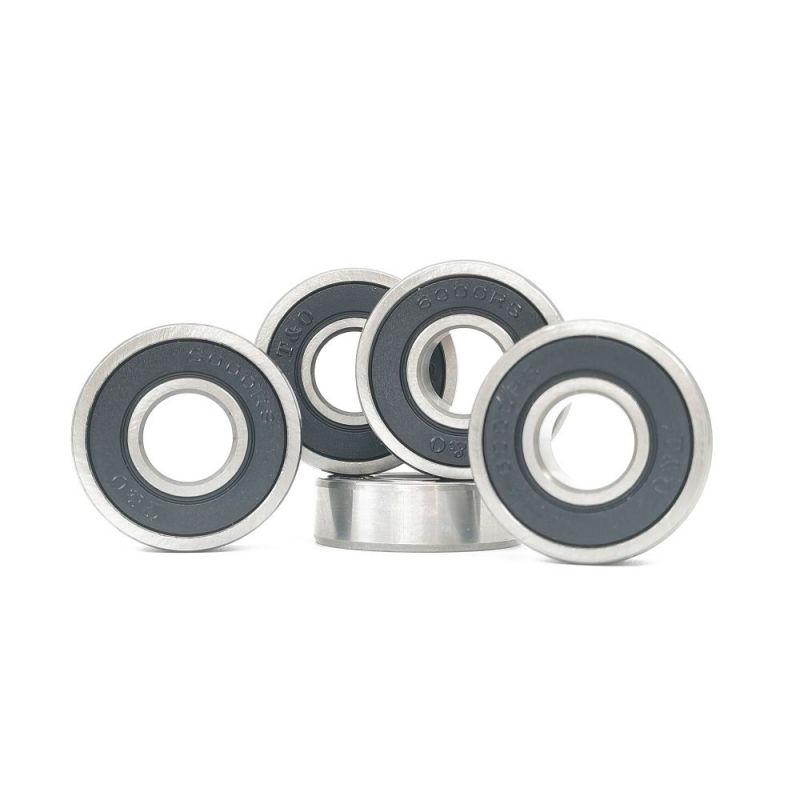
In the field of heavy-duty and general machinery, traditional steel bearings typically use high-carbon chromium bearing steel (such as GCr15). After overall quenching, this material has extremely high hardness, wear resistance, and excellent fatigue life, making it the first choice for bearing high nominal static and dynamic loads. However, in humid, acid-base, or frequently cleaned operating environments, ordinary steel ball bearings are highly susceptible to oxidation and rust, which leads to spalling and early failure.
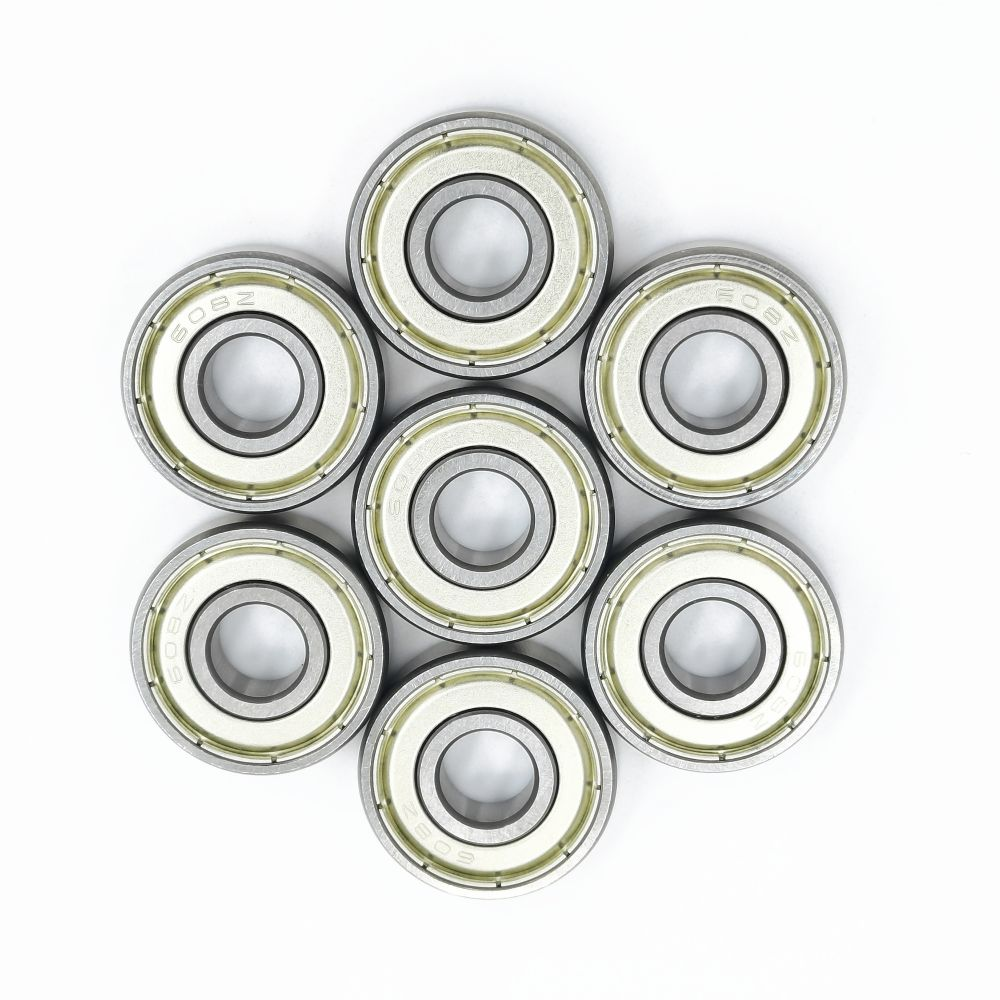
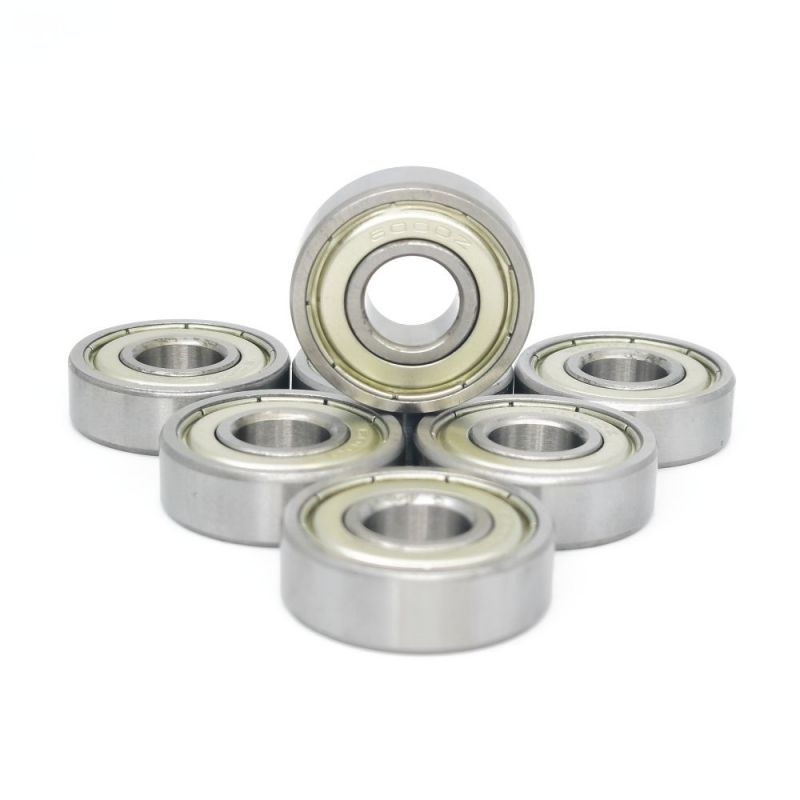
To solve this pain point, stainless steel ball bearings came into being. The most commonly used material for this type of bearing is AISI 440C (9Cr18). By adjusting the ratio of carbon to chromium, this martensitic stainless steel not only retains a high hardness, but also has excellent resistance to water and weak corrosive media. In more extreme chemical, marine, or sterile medical equipment, 316 stainless steel ball bearings show unparalleled chemical resistance. Due to the addition of molybdenum (Mo), 316 austenitic stainless steel has strong resistance to pitting and chloride ion corrosion. Although its hardness and load-bearing capacity are lower than those of 440C material, it is the ultimate solution to ensure that the transmission system does not seize up in environments with strong acids, strong alkalis, and long-term immersion in seawater.
Different mechanical structures have specific requirements for the form and movement of bearings:
In order to quantitatively evaluate the mechanical performance of different materials under actual working conditions, the following table lists the core physical and mechanical parameters comparison of high-carbon chromium bearing steel, 440C stainless steel, and 316 stainless steel:
| Parameter Performance Indicator | GCr15 Bearing Steel (steel bearings) | 440C Stainless Steel (stainless steel bearings) | 316 Stainless Steel (316 stainless steel ball bearings) |
| Main Alloy Composition | C: 1.0%, Cr: 1.5% | C: 1.0%, Cr: 17.0% | C: less than or equal to 0.08%, Cr: 17.0%, Ni: 12.0%, Mo: 2.5% |
| Hardness After Heat Treatment | HRC 60 - 64 | HRC 58 - 62 | HRB 75 - 90 (Cannot be hardened by heat treatment) |
| Limit Dynamic Load Capacity | 100% (Baseline) | Approx. 75% - 80% | Approx. 25% - 30% |
| Magnetic Properties | None (Strongly Magnetic) | Slightly Magnetic (Can be attracted by magnets) | Completely Non-magnetic (Annealed state) |
| Corrosion Resistance Performance | Extremely Low (Requires anti-rust oil protection) | Medium to High (Resistant to water, weak acids) | Extremely High (Resistant to chlorides, strong acids and alkalis, seawater) |
| Maximum Working Temperature | 120 degrees Celsius (Standard quenching) | 250 - 300 degrees Celsius | 400 - 500 degrees Celsius |
In actual operation, improper selection is the main cause of premature bearing damage. If your equipment belongs to food processing, pharmaceutical, or high-humidity environments, high-frequency steam cleaning and chemical disinfectants will cause ordinary steel bearings to rust rapidly. Rust debris entering the raceway will aggravate wear and increase noise. At this time, replacing them with stainless steel ball bearings can significantly extend the Mean Time Between Failures (MTBF) of the equipment.
If the mechanical equipment is in an environment with high load and high speed but without corrosive media (such as standard industrial motor reduction gearboxes), ordinary steel ball bearings are still a more cost-effective choice with longer mechanical life. This is because the fatigue flaking limit of stainless steel materials is slightly lower than that of standard bearing steel due to differences in internal crystal structures.
Conversely, for semiconductor manufacturing or vacuum adsorption equipment, oil volatilization and trace rust of ordinary steel will contaminate the cleanroom environment. Using oil-free or solid-lubricated stainless ball bearings or stainless steel linear bearings can ensure absolute cleanliness of the production environment and avoid wafer scrapping caused by metal friction particles. By precisely matching the four dimensions of load, speed, temperature, and corrosive media, choosing the correct bearing configuration can substantially reduce maintenance costs and improve the operating efficiency of the entire mechanical transmission system.


Products
CONTACT Us
Mobile Site
Copyright© Zhejiang Yingfei Biotechnology Co., Ltd. All Rights Reserved
 Wholesale Motorcycles/Cars Vehicles Bearing Source Factory