
 0
0

 English
 Español
 中文简体
中文简体 عربى
عربى
Industry News
Home / News / Industry News / What design considerations are involved when using balls and rollers in stainless steel bearings

2025-12-08
Stainless steel bearings are increasingly used across industries such as industrial machinery, medical equipment, food processing, and chemical applications. Ball bearings and roller bearings are the two most common types, each with distinct characteristics in structure, load capacity, and operating conditions. When designing stainless steel bearings, careful consideration of the specific features of balls and rollers is essential to ensure performance and service life meet practical application requirements.
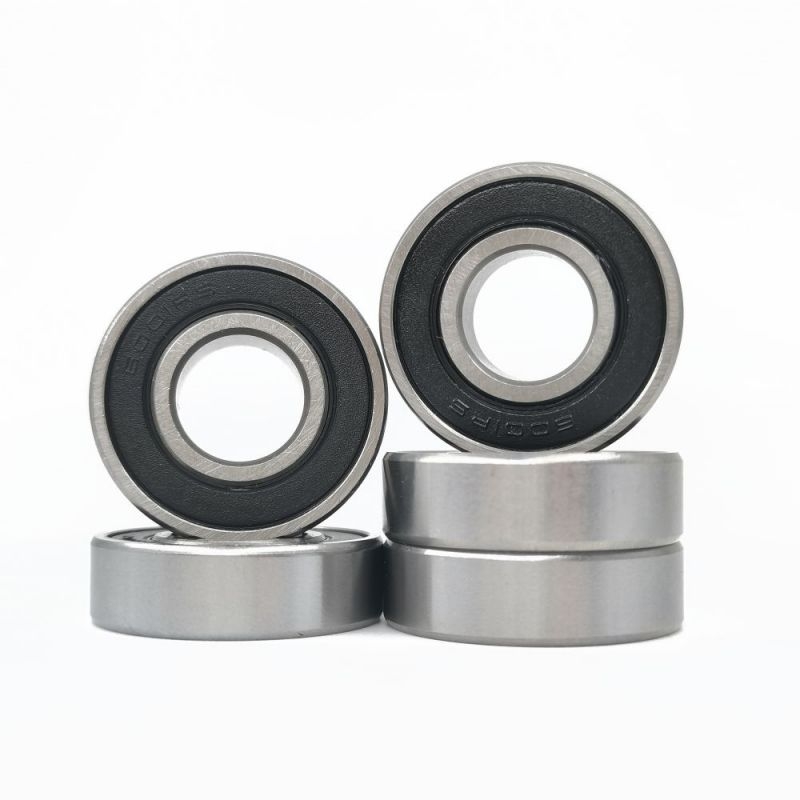
Ball bearings use spherical rolling elements, providing low friction and minimal heat generation during high-speed operation. One of the primary design considerations is the load type. Ball bearings are better suited for radial loads and moderate axial loads, while their fatigue life may be limited under high radial shock or heavy load conditions.
Material selection plays a crucial role. Stainless steel ball bearings commonly use AISI 440C or 304/316 series stainless steel, balancing corrosion resistance and hardness. Insufficient hardness can lead to early surface wear, affecting operational precision. Surface finish directly influences friction coefficient and noise levels. Poor surface quality may cause localized wear and lubricant film breakdown.
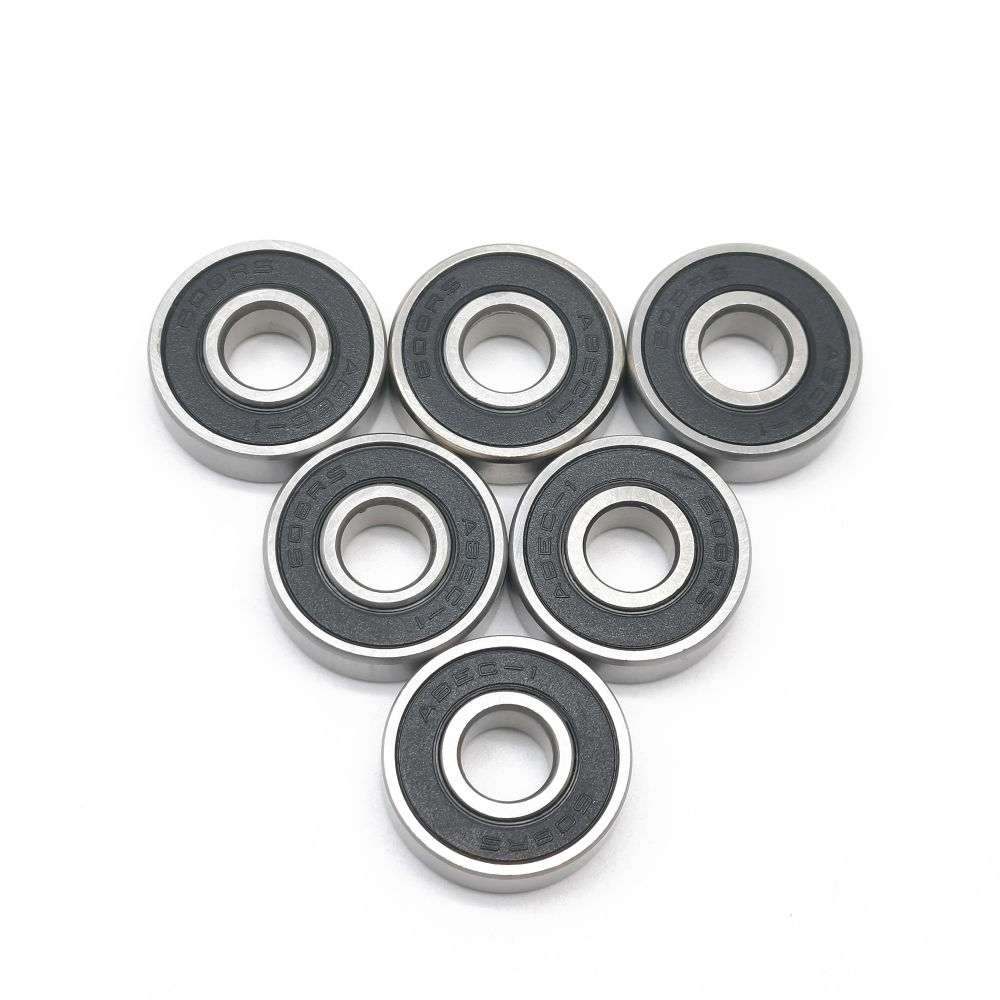
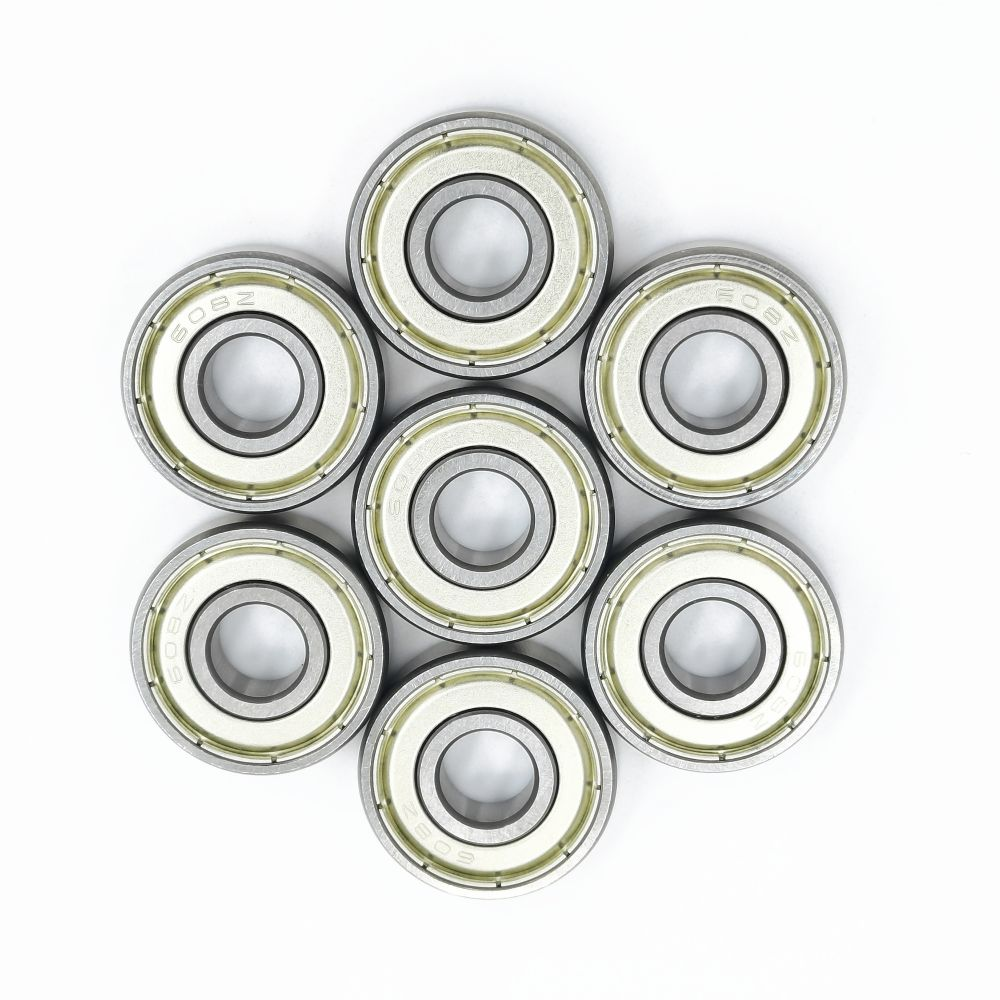
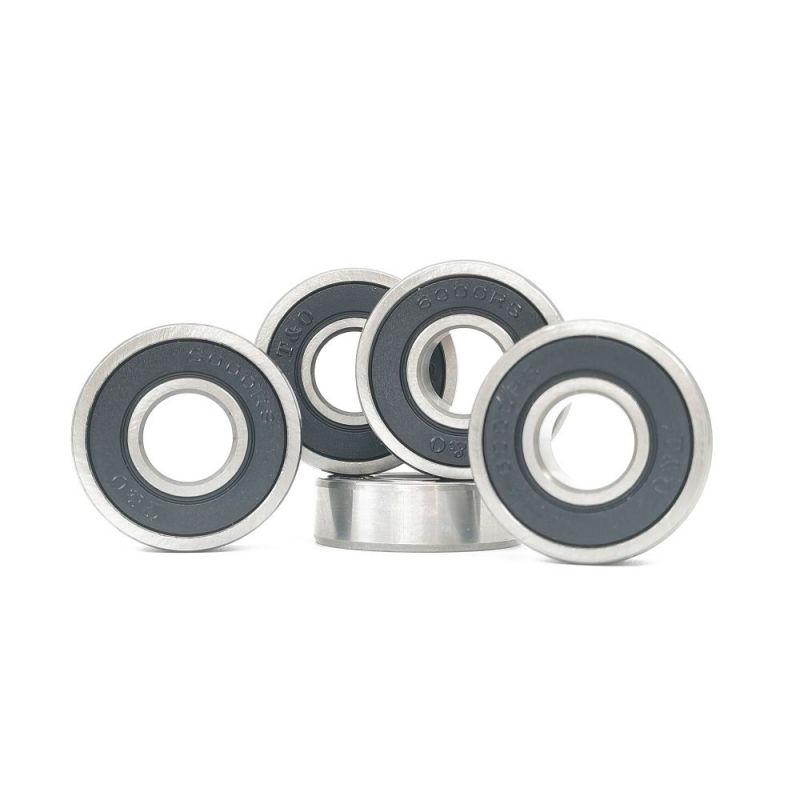
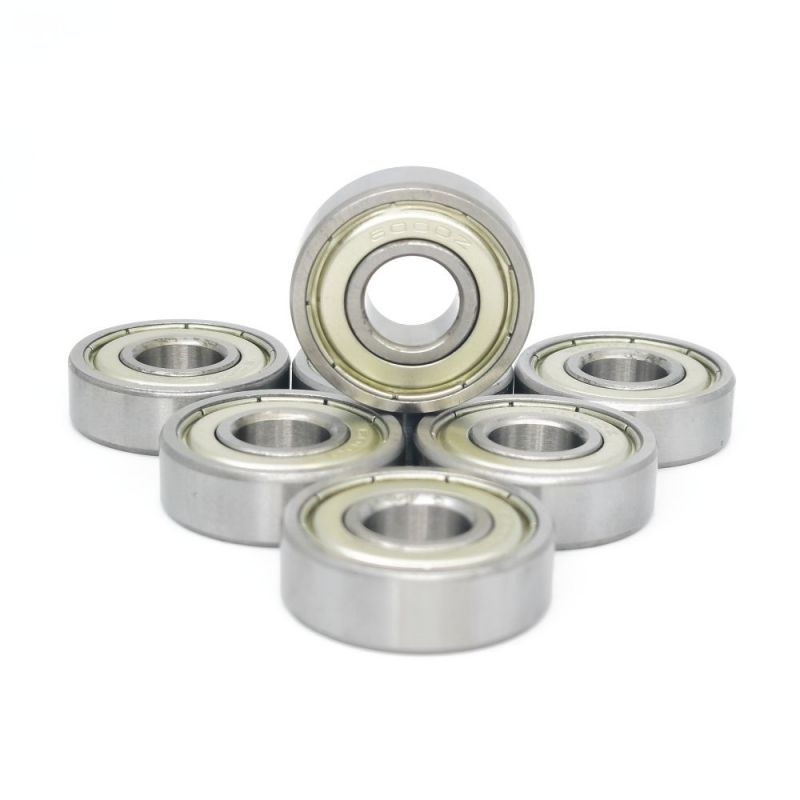
Sealing structure impacts protection and service life. Rubber seals provide excellent dust and liquid resistance but may limit high-speed performance. Metal seals offer superior temperature and corrosion resistance, suitable for high-temperature or chemically aggressive environments. Ball size and quantity are key factors, ensuring even load distribution and minimizing localized stress concentration.
Roller bearings employ cylindrical rolling elements, offering higher radial load capacity. Design focus includes contact area and load distribution. With a larger contact surface, roller bearings support heavier loads than similarly sized ball bearings, making them suitable for high-impact or heavy-duty environments. However, their maximum operating speed is typically lower than that of ball bearings.
Material selection and heat treatment significantly affect fatigue life. Precision grinding and heat treatment of roller surfaces are essential for high hardness and wear resistance. Lubrication design is also critical. The interaction between rollers and the cage generates higher friction, requiring high-performance grease or oil to reduce friction and temperature rise.
Axial load capacity is another focus in roller bearing design. Single-row cylindrical roller bearings primarily handle radial loads, while double-row or angular contact designs can accommodate axial forces. The cage material and structure influence roller alignment and lubricant distribution, directly affecting operational stability and bearing life.
For high-speed applications, ball bearings are generally preferred due to their lower friction coefficient. Design must consider ball diameter, internal clearance, and lubricant viscosity. Roller bearings can experience significant temperature rise at high speeds, requiring optimization of roller quantity and bearing width, along with proper lubricant selection to prevent thermal expansion and seizing.
Stainless steel bearings are widely used in food processing, chemical equipment, and marine environments, requiring excellent corrosion resistance. Ball and roller bearings perform differently under various seal structures. Rubber seals are suitable for low-temperature corrosive environments, while metal seals are better for high-temperature, acidic, alkaline, or saline conditions. High-grade stainless steel and surface coatings can significantly extend bearing service life.


Products
CONTACT Us
Mobile Site
Copyright© Zhejiang Yingfei Biotechnology Co., Ltd. All Rights Reserved
 Wholesale Motorcycles/Cars Vehicles Bearing Source Factory