
 0
0

 English
 Español
 中文简体
中文简体 عربى
عربى
Industry News

Submit
Submit feedback
How to handle excessive wear or damage to plastic-coated bearings
2025-12-01
Plastic coated bearings are widely used in various mechanical systems due to their excellent corrosion resistance, low friction properties, and self-lubricating capabilities. However, over time and with extended use, plastic coated bearings may suffer from excessive wear or damage, which can affect their normal operation and reduce their service life. This article will explore, from a professional perspective, how to effectively address the excessive wear or damage of plastic coated bearings to ensure the stable operation of mechanical systems.
1. Identifying Early Signs of Excessive Wear and Damage
The first step in addressing excessive wear or damage of plastic coated bearings is the ability to accurately identify the signs of damage. Excessive wear typically manifests as cracks, delamination, or obvious friction marks on the bearing surface. Other common signs of damage include scratches, dents, or significant deformation of the bearing surface, leading to poor rotation or even seizure. Additionally, increased noise, vibration, or high operating temperatures are typical indicators of wear or damage. Identifying these signs early can help prevent further degradation of the bearing and ensure timely corrective action.
2. Regular Inspection and Maintenance
Regular inspection and maintenance are key to effectively addressing excessive wear of plastic coated bearings. Regularly checking the bearing's operating condition, especially under high loads or high-temperature environments, can help detect wear signs early and take preventive measures. During the inspection, attention should be paid to the bearing’s operating noise, temperature changes, and vibration levels. Any abnormalities should be addressed promptly to prevent further damage. Additionally, monitoring the bearing's surface condition is essential to detect early signs of coating peeling or cracking, allowing for preemptive replacement or repair.
3. Cleaning and Lubrication
Even self-lubricating plastic coated bearings can experience increased wear if dust, debris, and other contaminants accumulate over time, causing increased friction and accelerating wear. Therefore, regular cleaning of the bearing surface and maintaining proper lubrication are essential. For non-self-lubricating plastic coated bearings, when excessive wear is detected, it may be necessary to apply an appropriate lubricant to reduce friction and wear, thus extending the bearing's lifespan. Proper lubrication helps to ensure smooth operation and reduce the risk of further damage.
4. Replacing Damaged Bearings
When a plastic coated bearing experiences significant wear or damage, the most effective solution is to replace it. While some lightly worn bearings can be restored through repair or recoating, bearings with severely damaged coatings, visible cracks, or material fatigue will need to be replaced. During replacement, it is important to choose a bearing that matches the specifications and size of the original one, ensuring it is suitable for the operational environment and load conditions. Timely replacement prevents system downtime and ensures continued operation.
5. Coating Repair and Recoating
For plastic coated bearings with minor wear, it may be possible to repair or recoat the bearing to restore its performance. Repair typically involves cleaning, smoothing, and preparing the damaged areas before applying a new layer of plastic coating. During the recoating process, it is essential to use plastic materials that are the same or similar to the original coating to ensure good adhesion and wear resistance. Additionally, the coating should be applied evenly, avoiding defects such as air bubbles or uneven distribution, which could impact bearing performance.
In cases where a large portion of the coating has peeled off or the damage is extensive, recoating is a common solution. Recoating not only restores the bearing’s appearance but also improves its wear resistance, corrosion resistance, and self-lubricating properties. Careful control of the coating thickness and uniformity is crucial to ensure a strong bond between the coating and the bearing substrate.
6. Choosing Suitable Alternative Materials
When plastic coated bearings experience excessive wear under high loads, high speeds, or extreme conditions, it may be necessary to consider alternative materials that are more durable and wear-resistant. For example, metal-coated bearings, ceramic bearings, or bearings made from more durable plastic materials can be used as replacements. These alternative materials typically have higher hardness and better wear resistance, providing longer service life in demanding environments.
7. Optimizing Design and Operating Conditions
To prevent excessive wear or damage to plastic coated bearings, optimizing both the design and operating conditions of the mechanical system is essential. For example, during design, efforts should be made to avoid excessive load on the bearings, preventing overloading or extreme axial and radial forces. Additionally, optimizing the lubrication system to ensure that the bearing is adequately lubricated will help reduce friction and wear. Moreover, avoiding prolonged exposure to extreme temperatures and humidity levels will help extend the bearing's service life and reduce the risk of damage.
8. Proper Material Selection and Sizing
Different types of plastic coated bearings are designed for specific operating environments and load capacities. Choosing the appropriate bearing materials and sizes for the application is crucial in preventing excessive wear and damage. For high-temperature, high-speed, or chemically aggressive environments, it is important to select plastic coating materials with superior heat resistance, corrosion resistance, and durability. Additionally, bearing size and load capacity should be carefully selected based on the actual operating conditions to avoid premature damage due to mismatched specifications.
recommend products
-
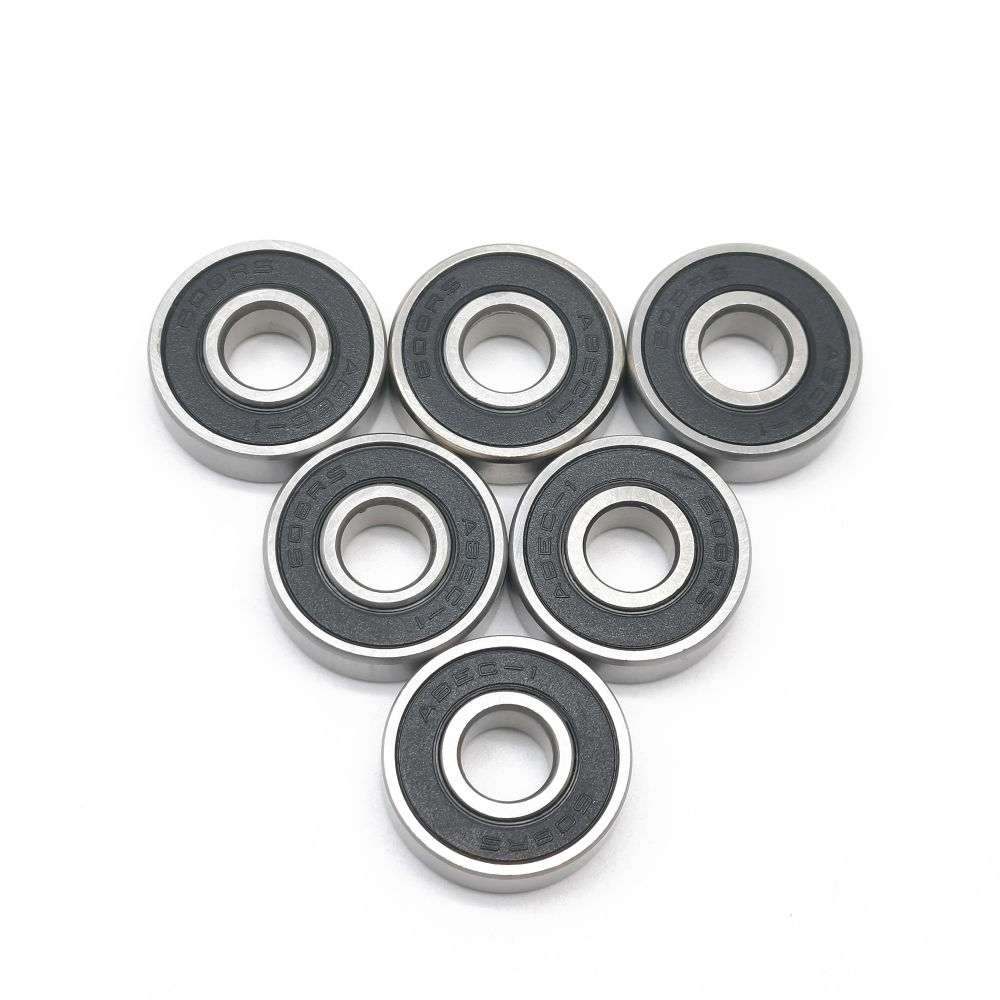


608RS Chrome steel Double Rubber Sealed Deep Groove Ball Bearings
-
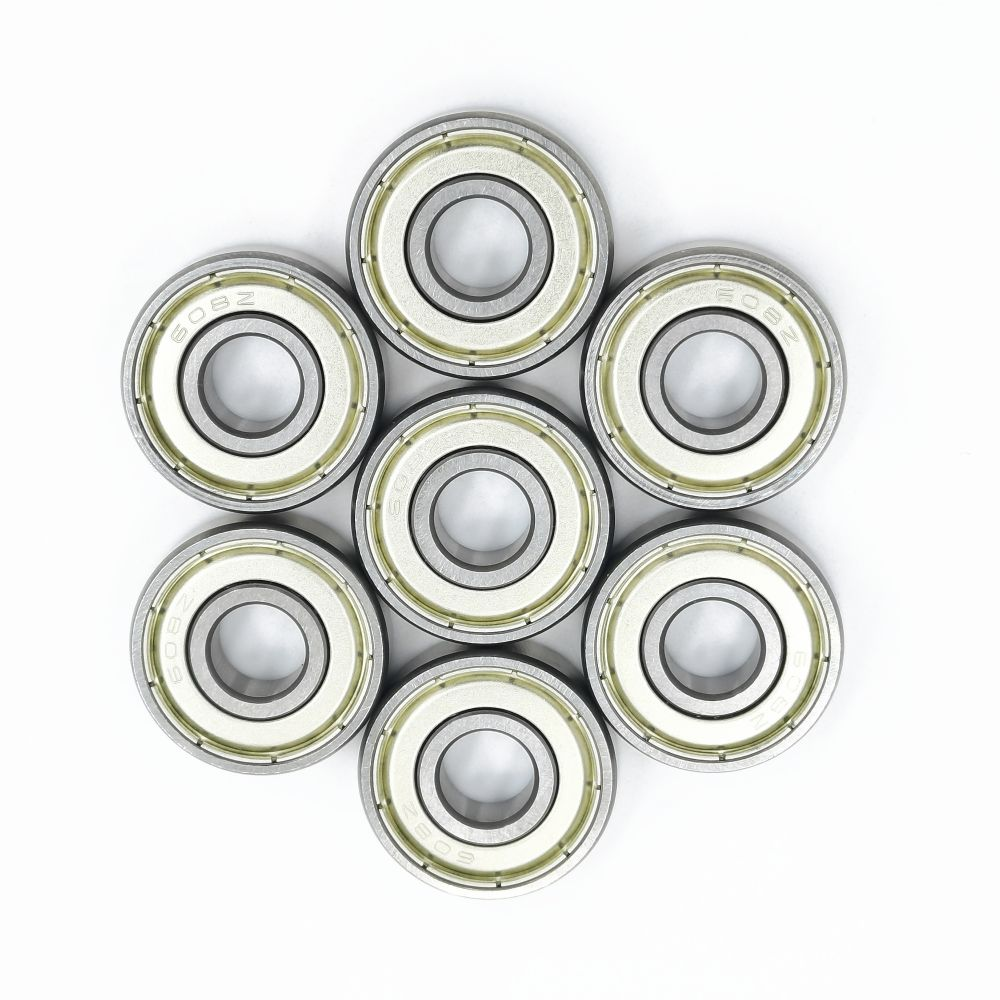
608ZZ Single column Double Iron Sealed Deep Groove Ball Bearing
-
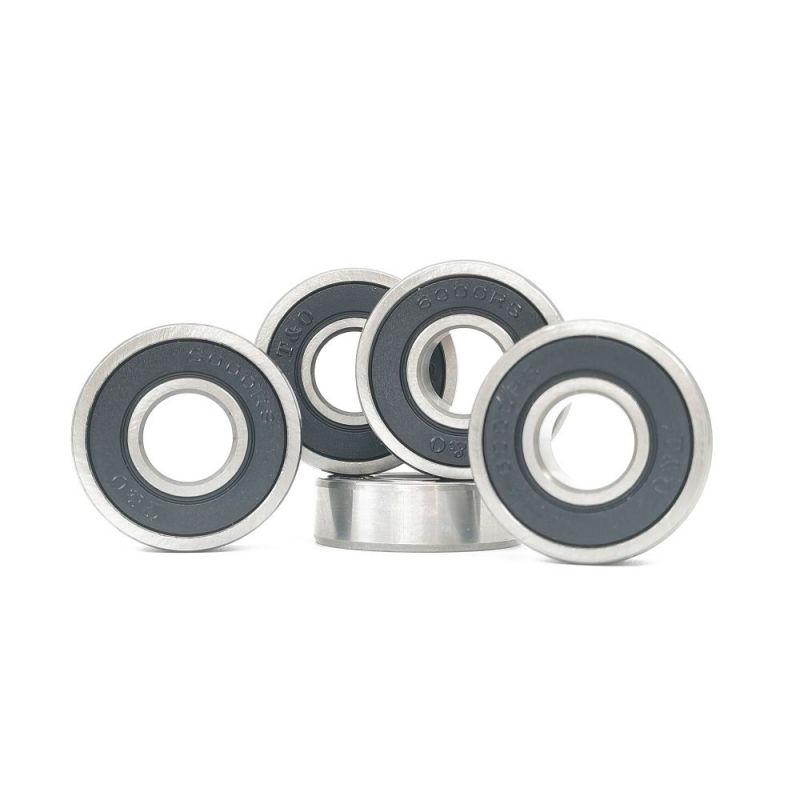
6000RS Carbon steel Double Rubber Sealed Deep Groove Ball Bearings
-
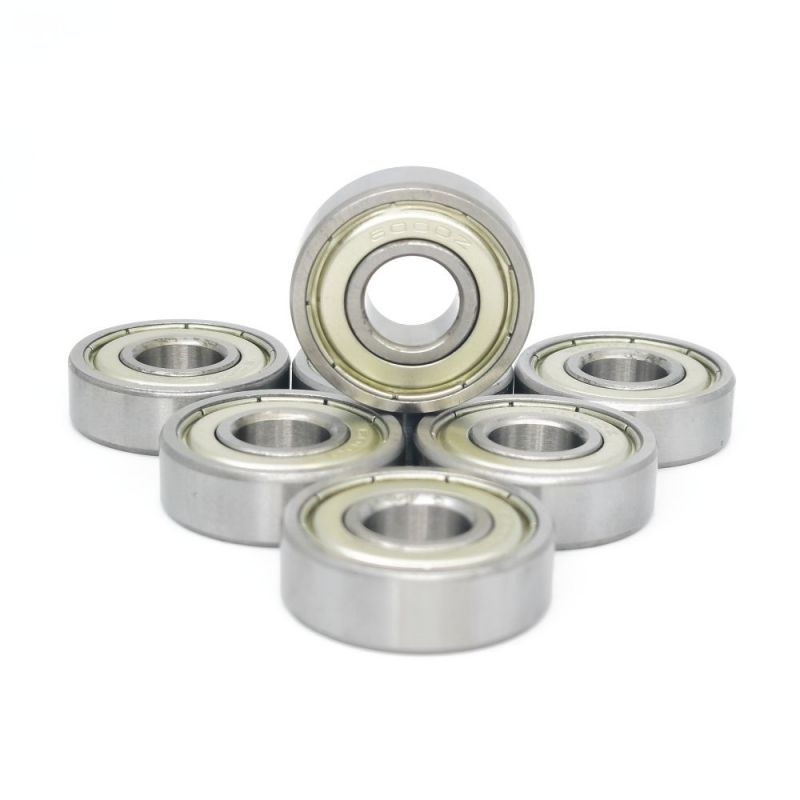
6000ZZ Grease Lubrication Double Iron Sealed Deep Groove Ball Bearing
-
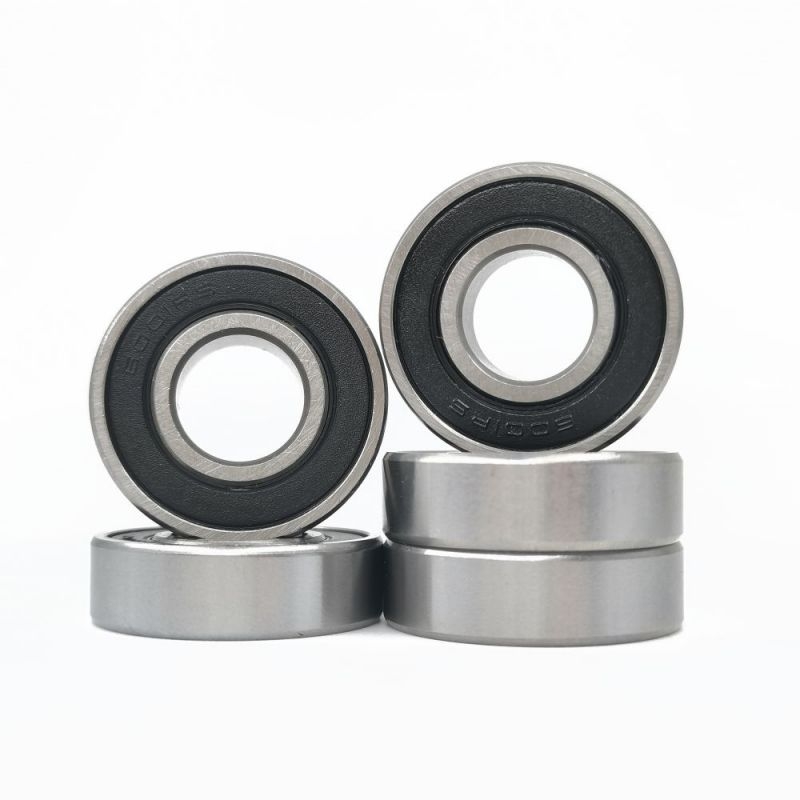
6001RS Double Rubber Sealed Deep Groove Ball Bearings For Motorcycles


Products
CONTACT Us
+86-13362474260 +86-0574-63322565
No. 98 Xinlang Road, Langxia Street, Yuyao City, Zhejiang Province, China
Mobile Site
Copyright© Zhejiang Yingfei Biotechnology Co., Ltd. All Rights Reserved
 Wholesale Motorcycles/Cars Vehicles Bearing Source Factory