
 0
0

 English
 Español
 中文简体
中文简体 عربى
عربى
Industry News
Home / News / Industry News / What Are the Common Failures of 6000 Series Deep Groove Ball Bearings and How to Fix Them

2026-03-30
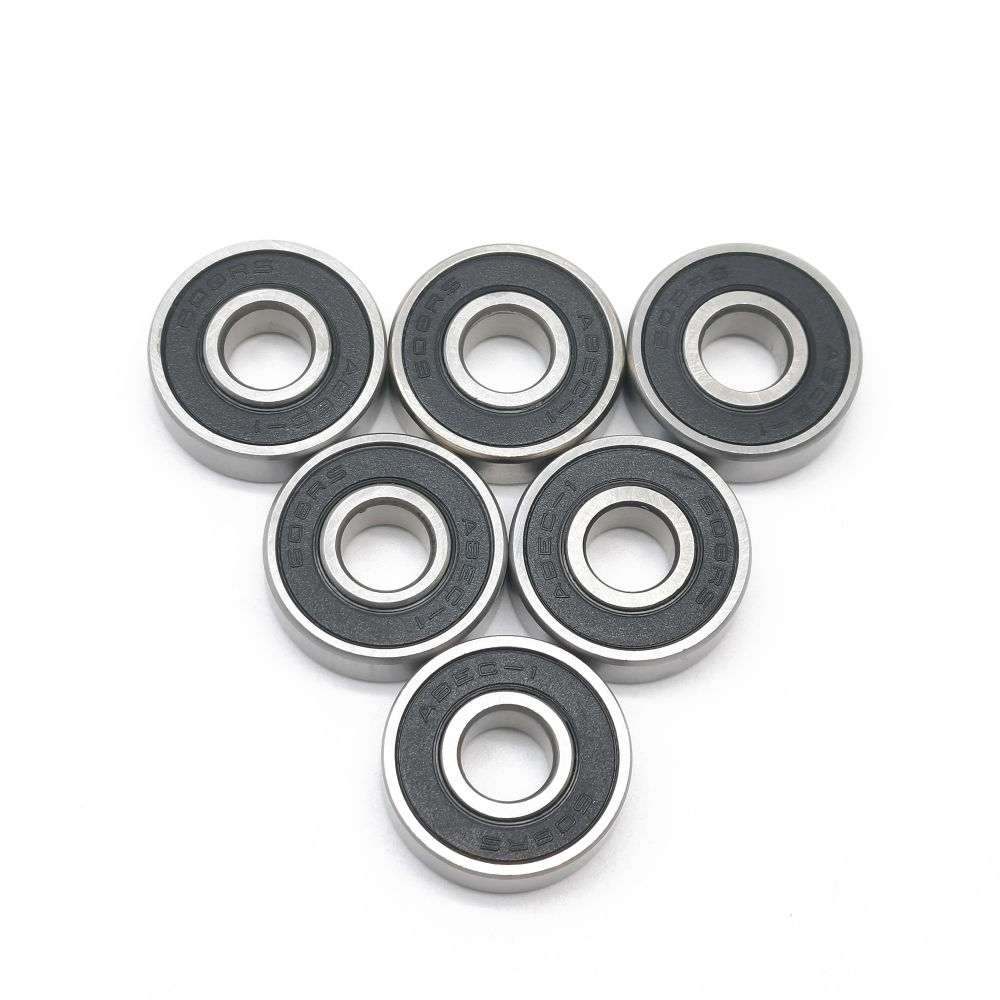
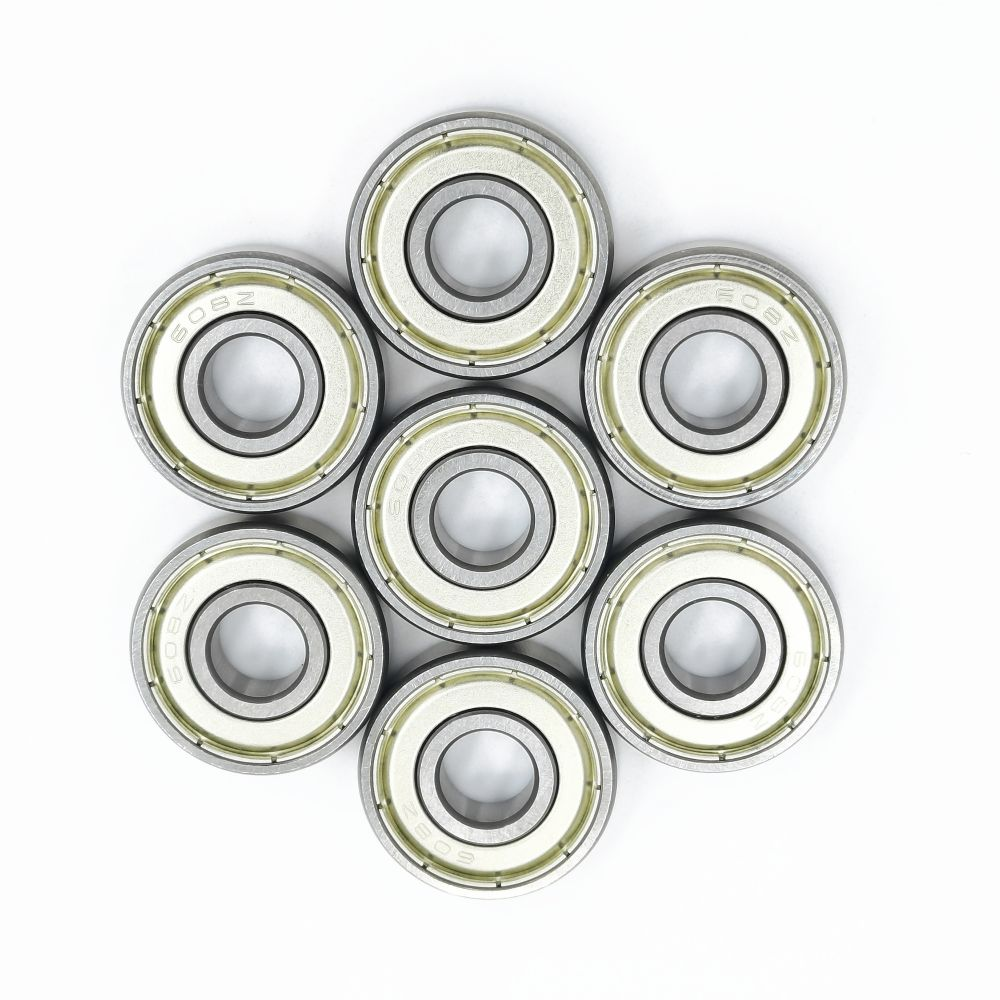
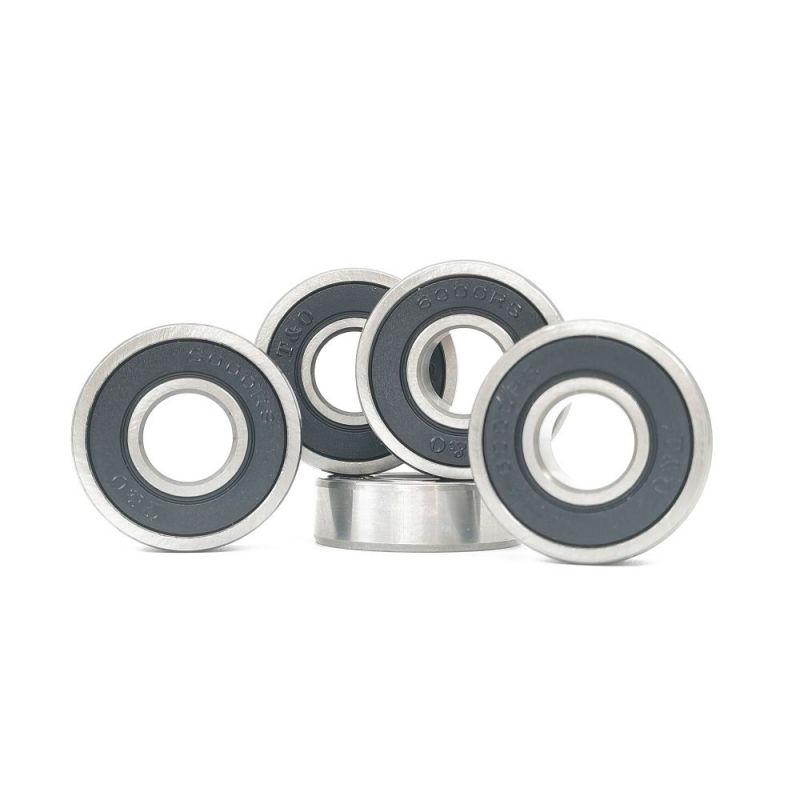
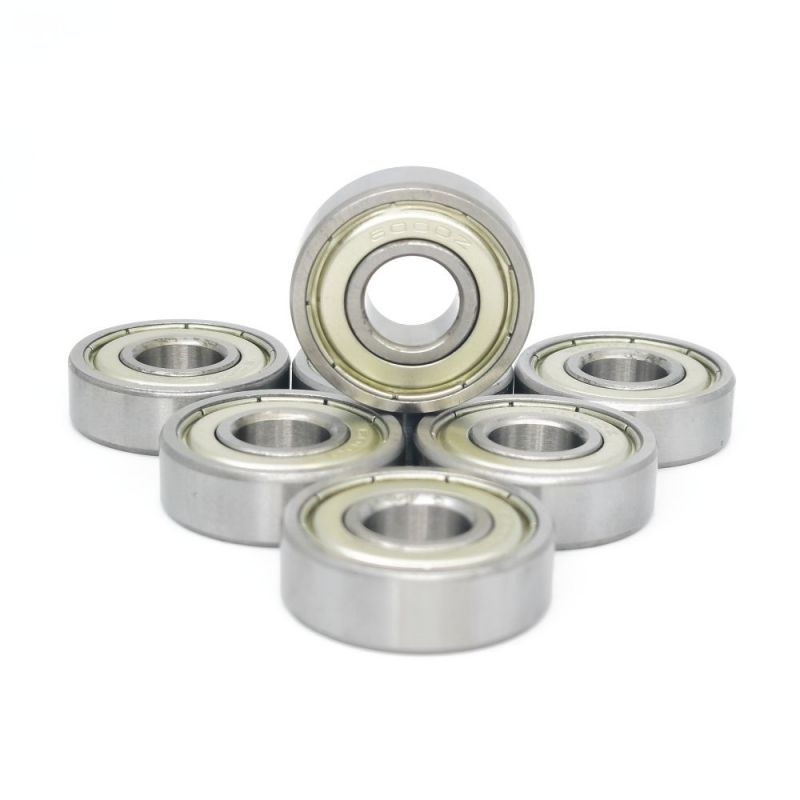
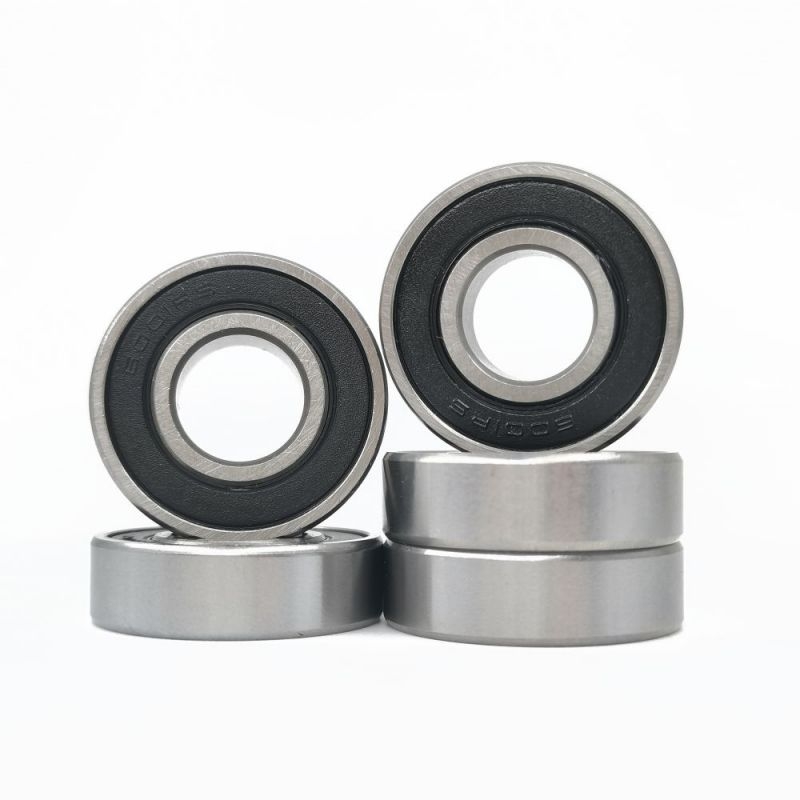
6000 series deep groove ball bearings are widely used and essential components in industrial equipment, found in applications such as motors, automobiles, and household appliances. However, despite their simple structure and reliable performance, various failures can occur during operation. This article will provide a detailed explanation of the common failures of 6000 series deep groove ball bearings and their corresponding maintenance methods, helping users extend bearing life and improve equipment stability.
Noise increase is one of the most common failures in 6000 series deep groove ball bearings. It is usually caused by poor contact between the rolling elements, inner and outer races, or insufficient lubrication. The problem becomes more pronounced under high-speed or high-load conditions.
Excessive heating of the bearing is usually caused by poor lubrication, overloading, high speeds, or bearing damage. Rising temperatures not only affect the bearing's service life but can also lead to early equipment failure. In severe cases, the lubricating oil inside the bearing can be damaged, causing more friction and further damage.
Vibration is another common failure. Vibration usually results from irregular shapes of rolling elements or races, improper installation, or inadequate lubrication. Excessive vibration can affect the stability of equipment and cause damage to other components.
Damage to the inner or outer races of 6000 series deep groove ball bearings is typically caused by overloading, lack of lubrication, contamination, or improper installation. When bearings are subjected to excessive loads, cracks, spalling, or wear on the inner or outer races may occur, leading to bearing failure.
External contaminants (such as dust, moisture, metal particles, etc.) entering the bearing can cause increased friction between the rolling elements and the raceways, resulting in wear and failure. Contaminants not only exacerbate bearing wear but may also cause bearing seizure or blockage, affecting normal operation.
When noise increases, the first step is to check the lubrication. Ensure that the lubricating oil or grease is adequate and suitable. If necessary, replace with fresh lubricant. If noise persists, check for cracks, wear, or looseness in the bearing, and replace any damaged bearings. Additionally, the bearing installation should be correct to avoid eccentric installation or misalignment, which can cause abnormal noise.
When bearings overheat, the first thing to check is the lubrication condition. If lubrication is insufficient, add the appropriate lubricant. If overheating is caused by deteriorated lubricating oil, clean the bearing and refill it with new oil. Additionally, ensure that the bearing’s speed and load are within the specified limits to avoid overload conditions. For high-temperature operating environments, high-temperature bearings or high-temperature lubricants should be used.
The solution to bearing vibration failures starts with checking the installation for accuracy. Ensure that the bearing is properly fitted with the shaft and housing. If installation is improper or the bearing is loose, reinstall and adjust. For bearing damage, if cracks or wear are present, replace the bearing immediately. To prevent vibration caused by external contamination, it is recommended to use effective sealing methods during installation to prevent dust or moisture ingress.
When the inner or outer races of a bearing are damaged, the entire bearing usually needs to be replaced. If wear or cracks are observed, it indicates that the bearing structure has been compromised, and continued use may result in further damage. When replacing the bearing, ensure that the new bearing matches the original model and install it correctly to avoid further damage. Also, avoid using bearings under overloading or overspeed conditions, as this is key to extending their service life.
When foreign contaminants enter the bearing, the first priority is to clean the bearing. In severe cases of contamination, the bearing should be disassembled and cleaned internally to remove all foreign particles. At the same time, check for any wear or damage to components. To prevent foreign matter ingress, it is best to install sealed bearings or adopt protective measures to keep contaminants out during operation.
Regularly inspect and maintain 6000 series deep groove ball bearings, including checking lubricating oil quality and quantity, monitoring bearing operation, measuring temperature and vibration, etc. This allows for early detection of potential problems before they lead to failure.
Choose the appropriate lubricating oil or grease, and periodically replace the lubricant according to the equipment’s operating conditions. Proper lubrication can reduce friction, lower temperature rise, and extend bearing life.
Ensure accurate installation of the bearing, ensuring proper fit with the shaft and housing to avoid uneven force on the bearing, reducing unnecessary wear.
Use sealed bearings or take protective measures to prevent contaminants from entering the bearing, maintaining a clean working environment.


Products
CONTACT Us
Mobile Site
Copyright© Zhejiang Yingfei Biotechnology Co., Ltd. All Rights Reserved
 Wholesale Motorcycles/Cars Vehicles Bearing Source Factory