
 0
0

 English
 Español
 中文简体
中文简体 عربى
عربى
Industry News
Home / News / Industry News / How to Choose the Right Deep Groove Ball Bearings for Industrial Applications

2026-07-01
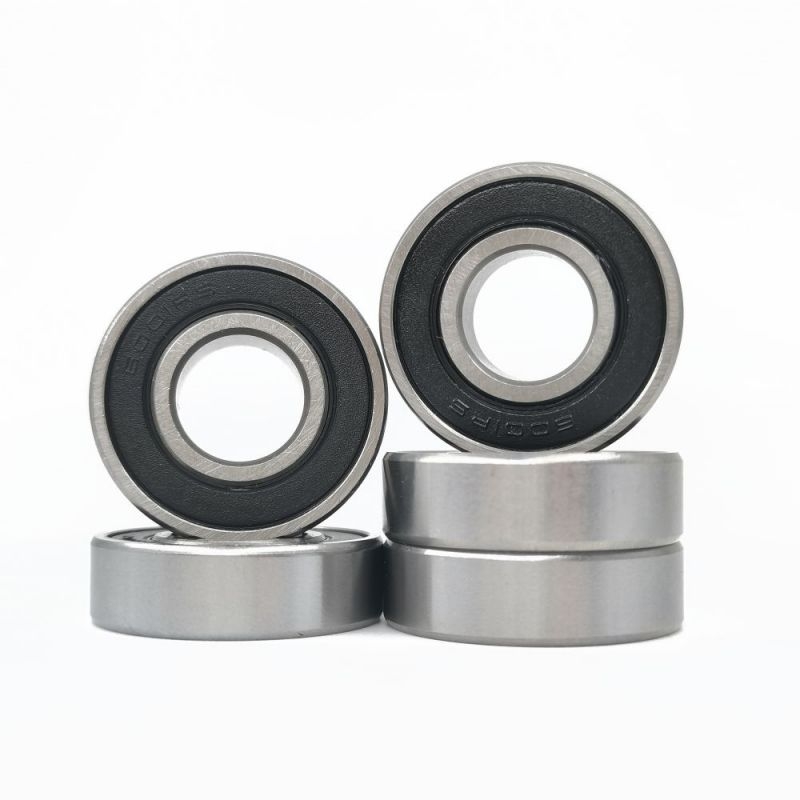
In modern rotating machinery systems, ball bearings act as the core components for achieving low-friction rotation and radial load support, with their performance directly determining the operating efficiency and service life of the equipment. Among the various types of bearings, deep groove ball bearing has become the most widely used fundamental element in industrial applications due to its simple structure, wide range of applicable speeds, and ability to withstand both radial and axial composite loads.
The core of the balls and bearings system lies in using rolling elements to replace sliding friction, thereby significantly reducing energy loss during operation. In the structure of bearing ball bearing, the inner ring, outer ring, rolling elements (steel balls), and cage are the four core components.
When a deep groove ball bearing is subjected to a radial load, the load is transmitted from the outer ring to the rolling elements and distributed to the inner ring by the rolling elements. Because the contact point between the rolling elements and the raceway is extremely small, and under well-lubricated conditions, the generated friction torque is extremely low. This design allows the bearing to maintain low temperature rise and extremely high stability even during high-speed rotation.
The manufacturing of high-quality bearings involves precision machining technology. First, bearing rings are typically forged using high-carbon chromium bearing steel (GCr15). After rough machining, heat treatment is required to achieve the necessary hardness and toughness.
Grinding Process: The inner grooves of the rings are precision-ground using high-precision grinding machines to ensure that the raceway curvature radius matches the diameter of the steel balls accurately.
Steel Ball Manufacturing: The roundness and surface roughness of the steel balls are the key factors determining the silent performance of the bearing. Through cold heading, grinding, and precision lapping, the steel ball diameter tolerance is controlled within the micron level.
Precision Assembly: In a dust-free environment, the steel balls are inserted between the inner and outer rings using a specific centrifugal offset method, followed by the installation of the cage, the filling of high-performance industrial grease, and the pressing of the seal cover.
To achieve maximum efficiency in rotating systems, understanding the interaction between balls and bearings is critical. Beyond basic rotation, high-performance ball bearings must be matched to the specific environmental stressors of your machinery. Whether you are dealing with high-frequency vibrations or extreme thermal expansion, the internal geometry of the deep groove ball bearing provides the structural integrity required to mitigate premature wear.
| Operational Scenario | Recommended Bearing Configuration | Key Performance Focus |
| High-Speed Electric Motors | Precision C3 Clearance Series | Heat Dissipation & Vibration Control |
| Agricultural Machinery | Triple-Sealed Extreme Duty | Contaminant Exclusion & Corrosion |
| Precision Robotics | Ceramic Hybrid Ball Bearings | Load Accuracy & Friction Reduction |
Installation Integrity: Avoid the common error of press-fitting via the outer race, which can lead to micro-fractures in the steel balls. Always apply force strictly to the inner ring during mounting.
Lubrication Management: Over-greasing is a frequent cause of overheating. Our engineering standards dictate a 30% to 50% internal void fill ratio for optimal cooling during high-speed startup.
Why do deep groove ball bearings tend to overheat at high speeds? The main reason is an excessive amount of grease or excessively high lubricant viscosity, which leads to increased stirring resistance and generates excessive frictional heat.
What are the consequences of roundness deviation in bearing steel balls? Roundness deviation causes periodic vibration during rotation, which leads to increased noise in the entire machine and shortens the service life of the machine.
Can deep groove ball bearings withstand pure axial loads? Deep groove ball bearings mainly withstand radial loads. Although they can withstand a certain amount of axial load, if the axial force is too large, angular contact ball bearings are recommended.
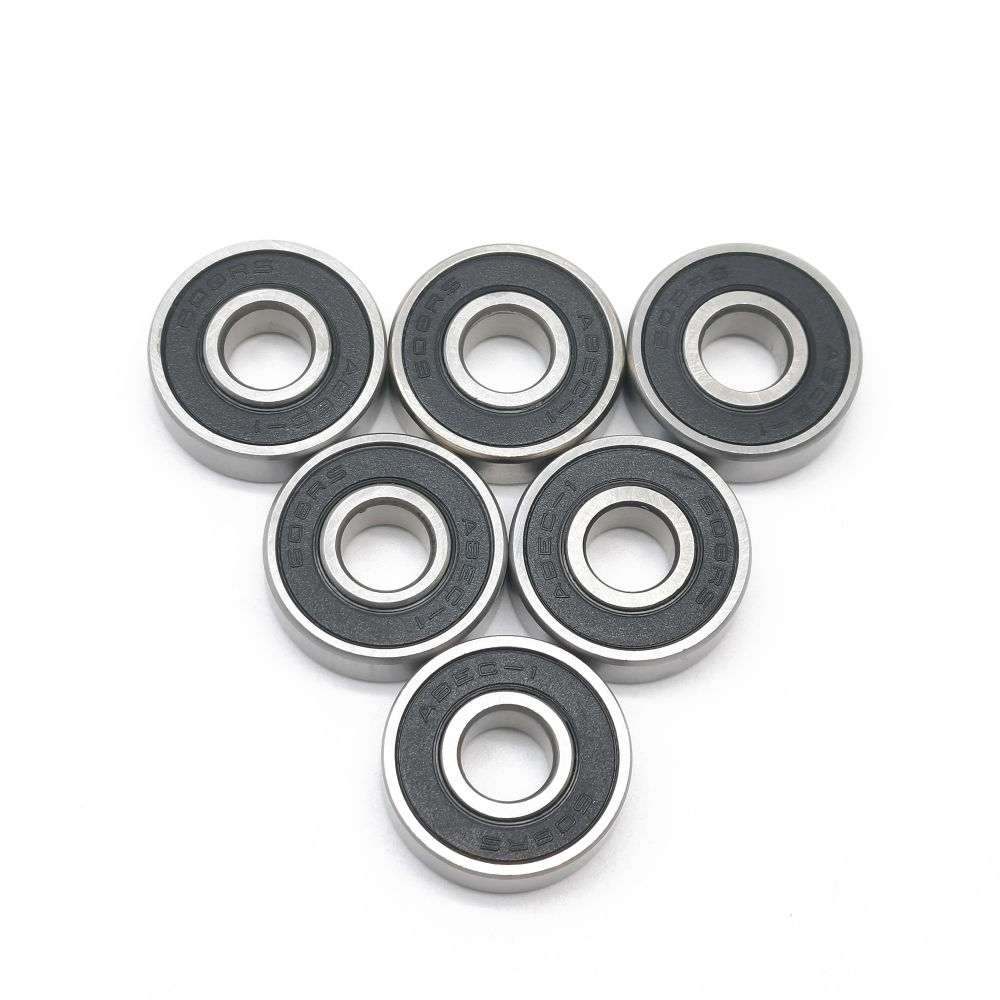
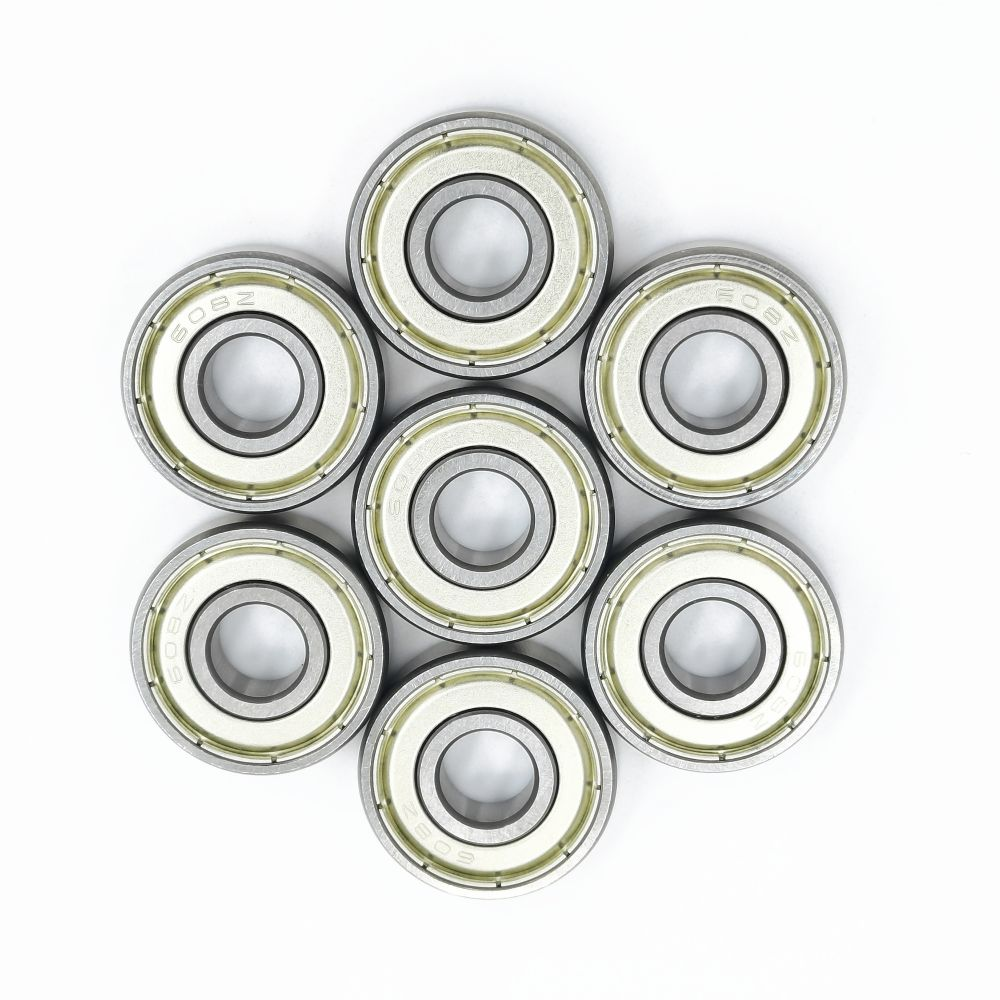
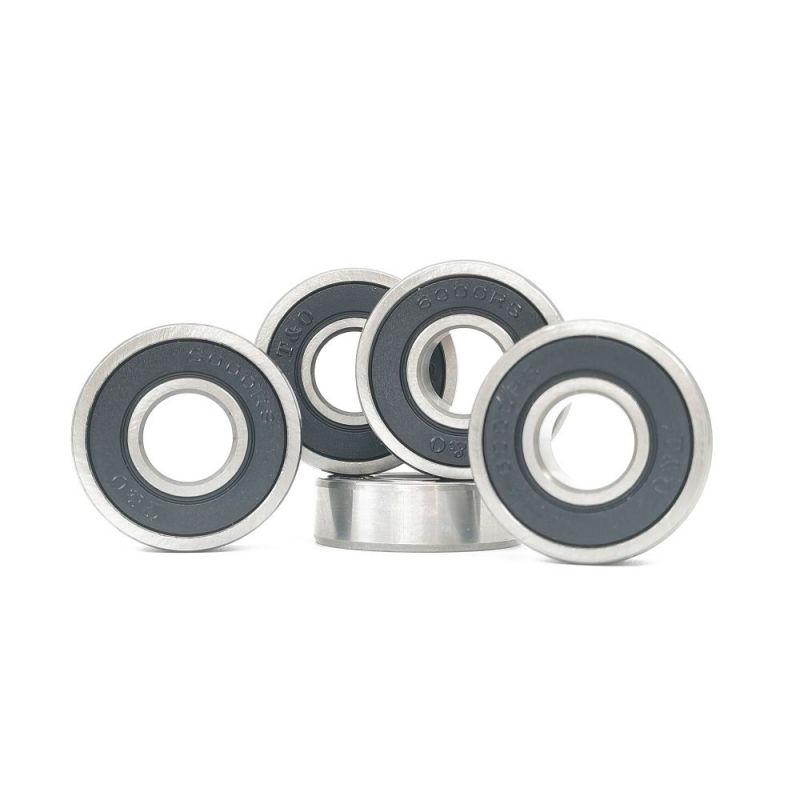
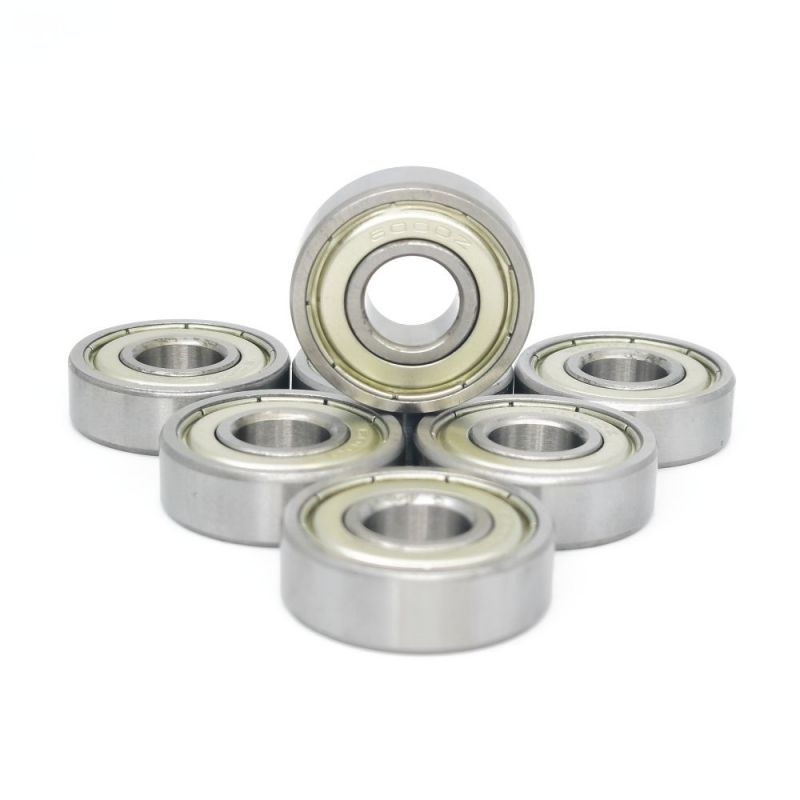
How does the seal material affect bearing life? Rubber seals (RS) have good dust and water resistance, suitable for harsh environments; metal seal covers (ZZ) are more suitable for high-temperature environments.
What should be noted when installing bearings? Avoid hitting the outer ring of the bearing directly; use a special sleeve applied to the end face of the inner ring for uniform pressure installation.


Products
CONTACT Us
Mobile Site
Copyright© Zhejiang Yingfei Biotechnology Co., Ltd. All Rights Reserved
 Wholesale Motorcycles/Cars Vehicles Bearing Source Factory