
 0
0

 English
 Español
 中文简体
中文简体 عربى
عربى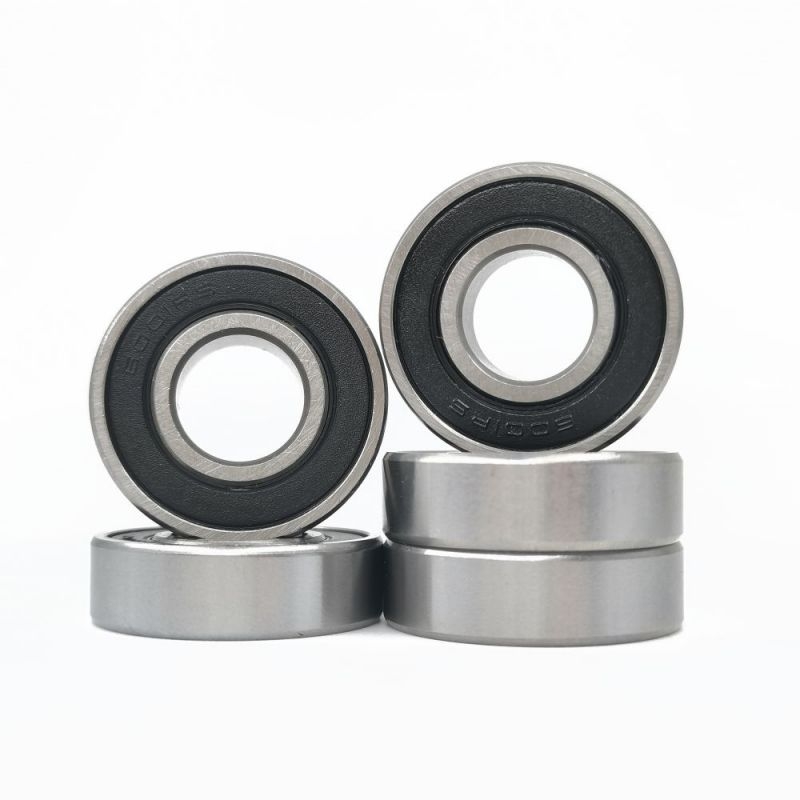
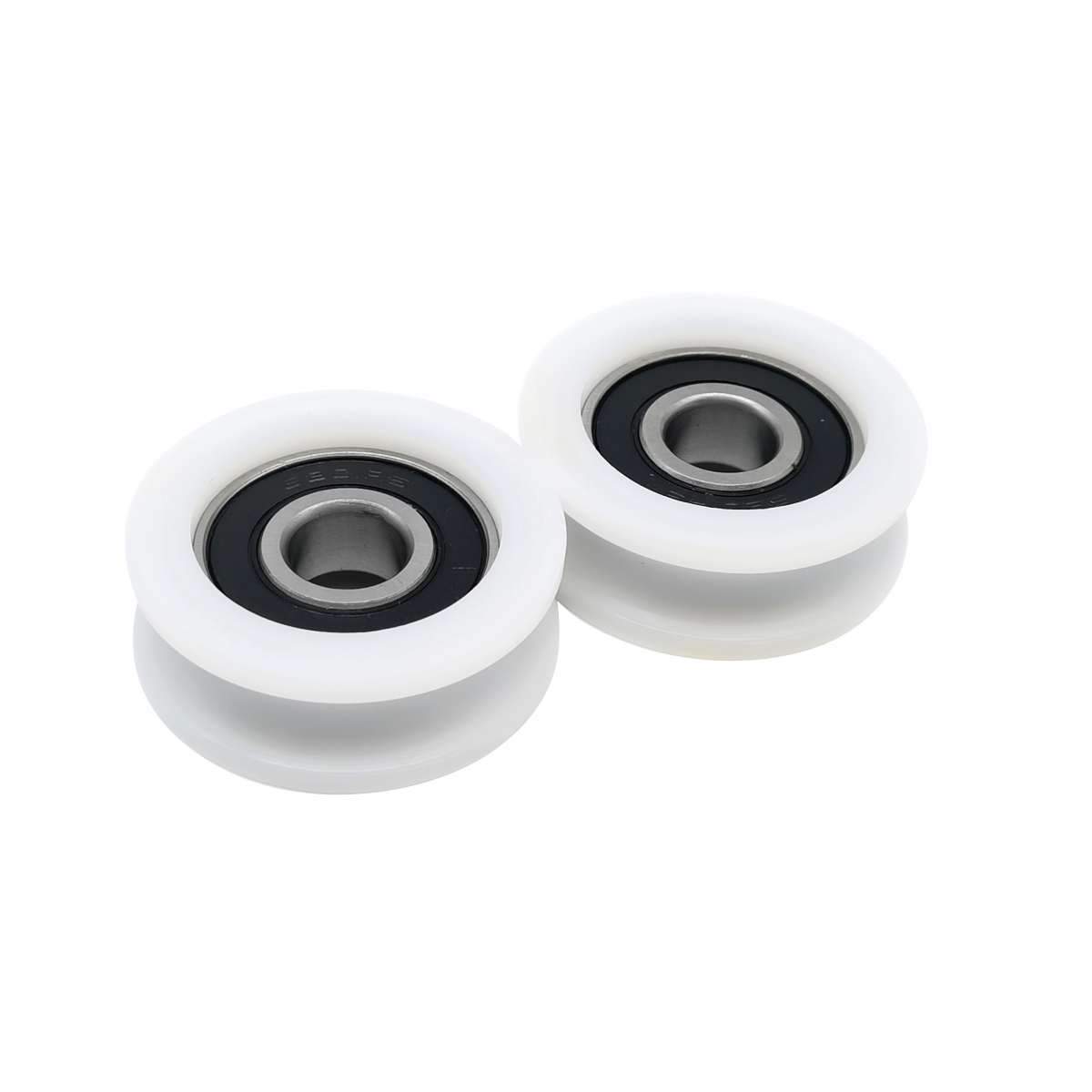
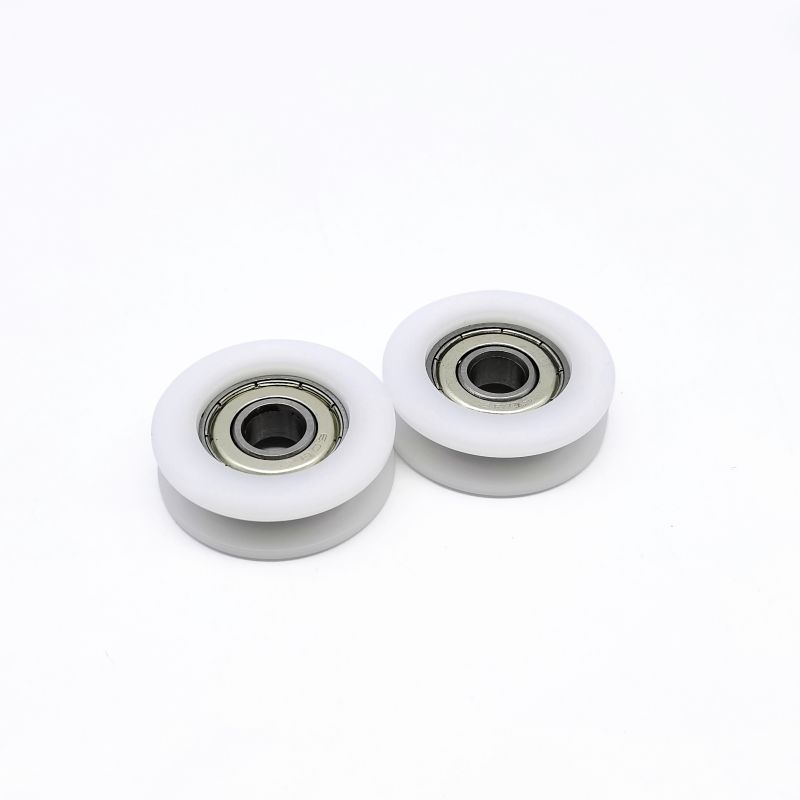
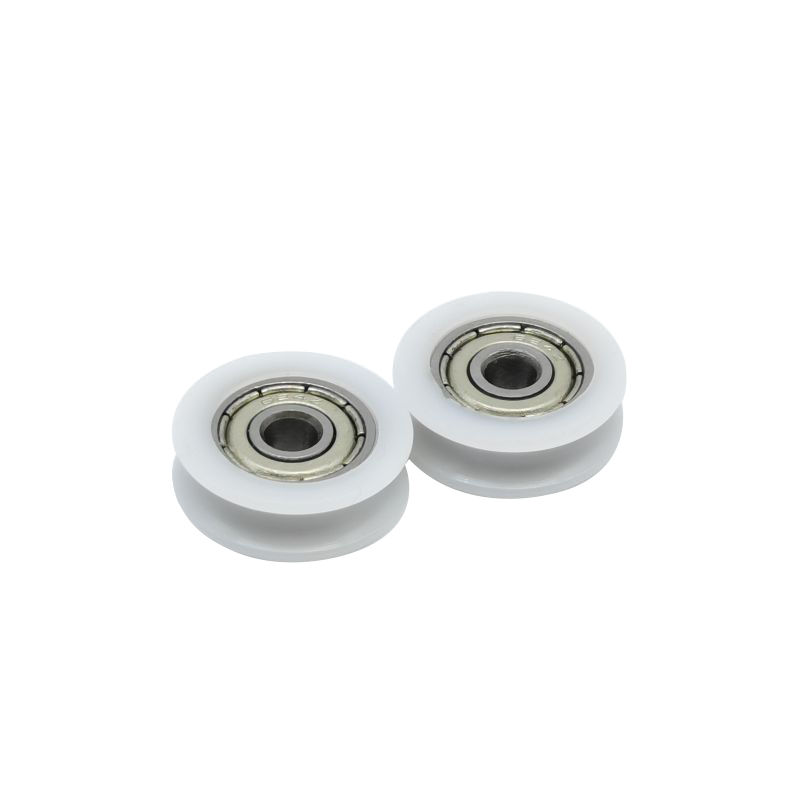
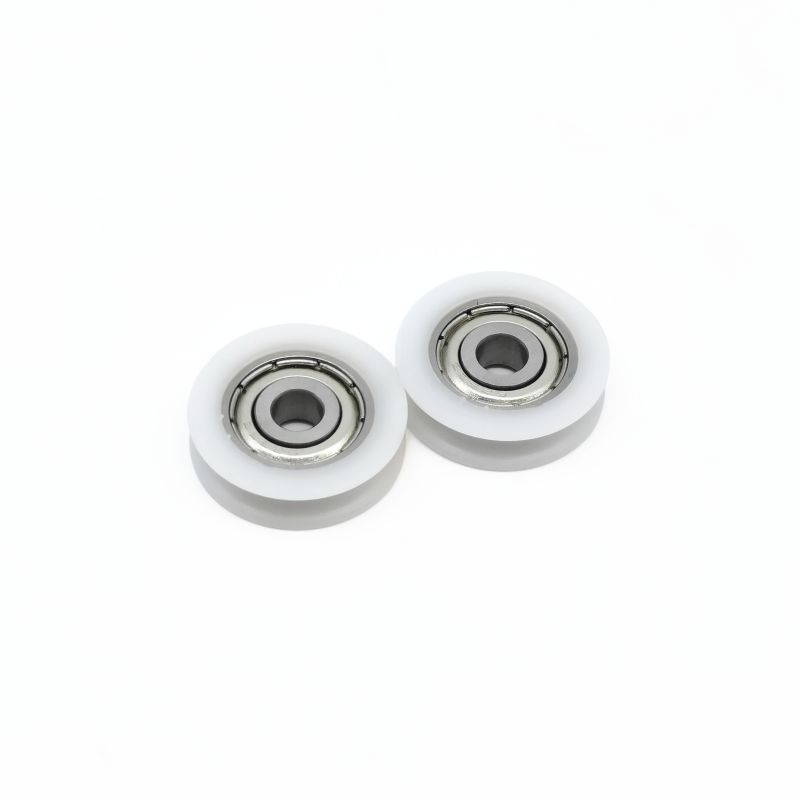
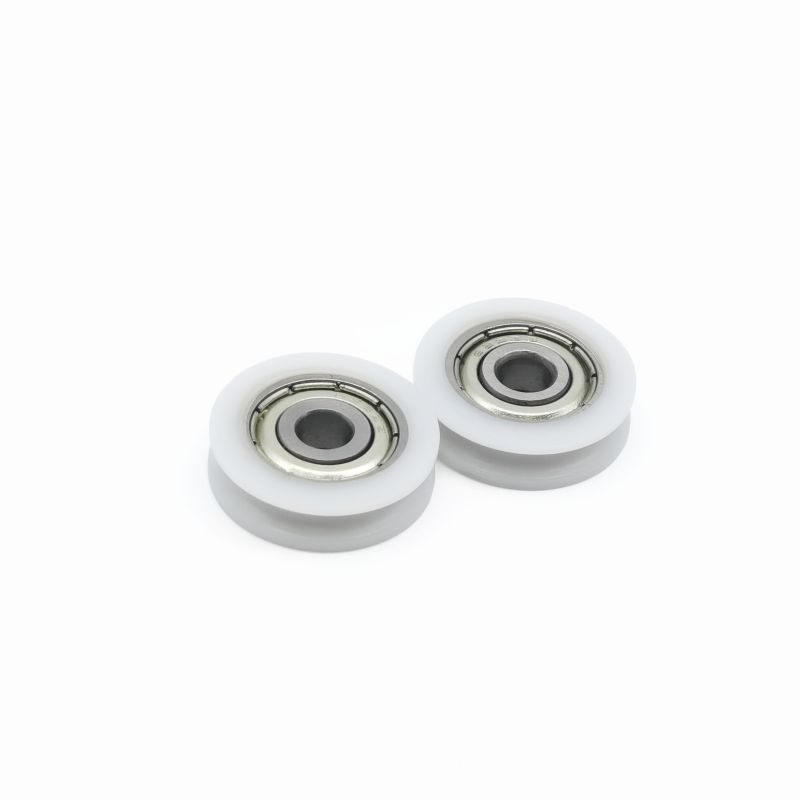
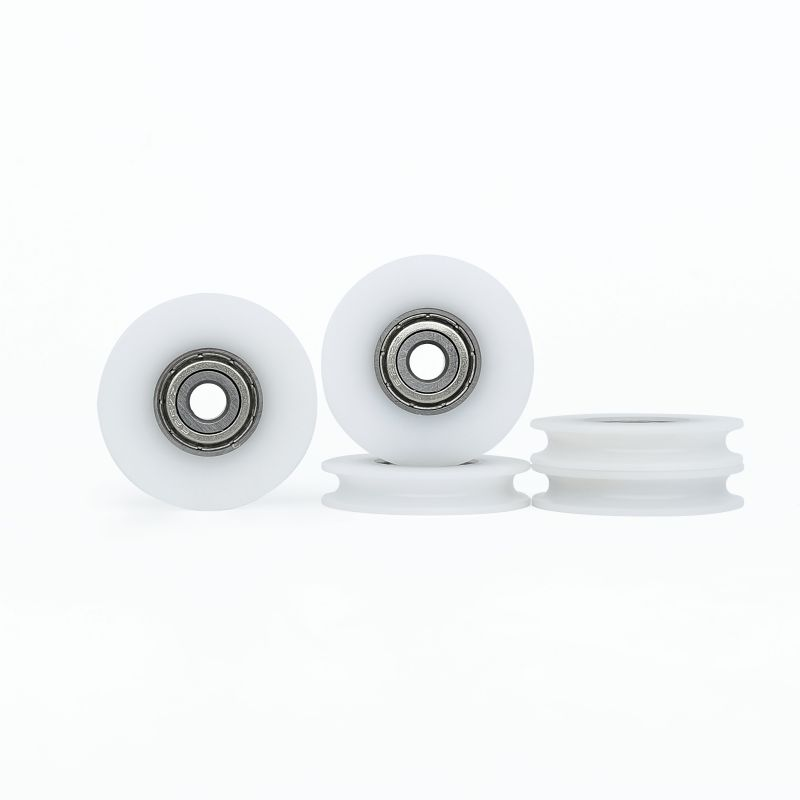
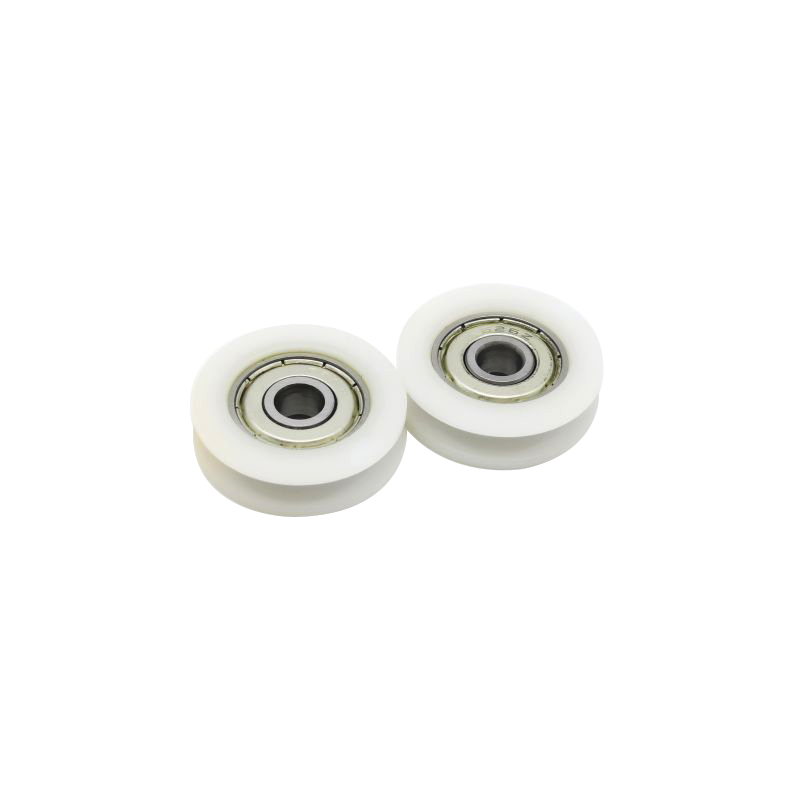
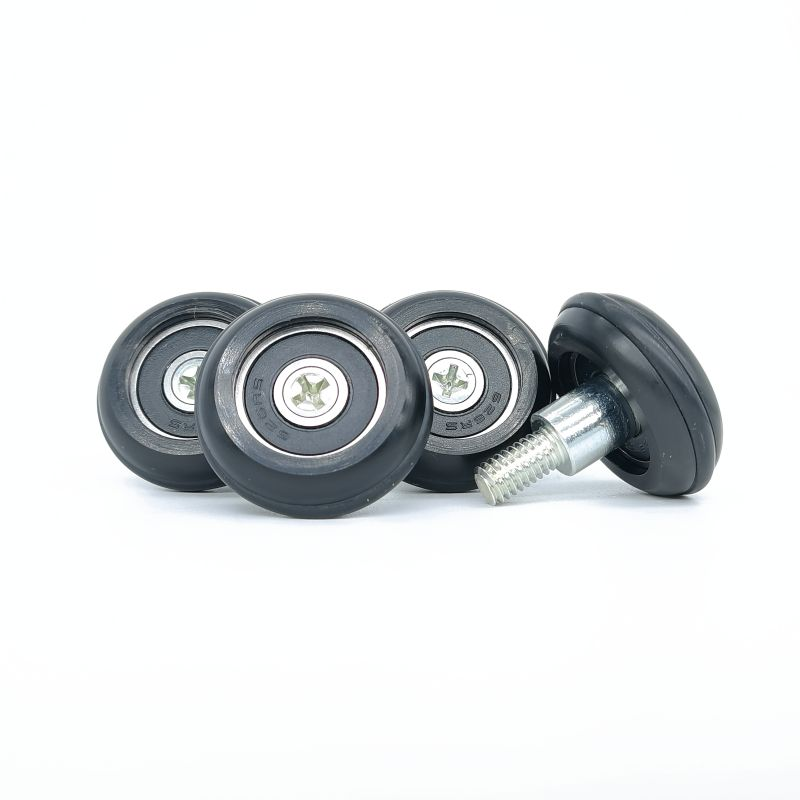
.01 Comprehensive Customization:
We provide full-process customization services from product design, material selection, sample making to mass production to meet customers' special specifications and functional requirements.

Engineered for extreme rotational velocity and low-friction operation, these high-speed motor bearings deliver exceptional performance in electric motors, spindles, and rotating equipment operating at 15,000+ RPM. Perfect for industrial motors, machine tool spindles, turbo compressors, and precision rotating machinery requiring minimal speed loss and maximum efficiency.
High-speed motor bearings represent the frontier of bearing engineering, where mechanical performance meets thermal management and precision manufacturing. Operating at 15,000 to 30,000 RPM generates centrifugal forces and frictional heating that would destroy conventional bearings within minutes. Our high-speed motor bearings are specifically engineered to handle these extreme conditions through innovative design, material selection, and manufacturing processes perfected over decades of industrial motor development. The result is bearing performance that enables modern electric motors to achieve unprecedented efficiency levels while operating silently and reliably in demanding industrial and commercial environments.
High-speed bearing design demands fundamental rethinking of standard bearing geometry and material science. Centrifugal forces at high RPM create outward pressure on bearing balls that increases contact stresses and generates frictional heat. Our proprietary "Centrifugal Load Optimization" design reduces ball mass by utilizing advanced ceramics (silicon nitride or alumina) in hybrid configurations where ceramic balls pair with chrome steel races. Ceramic balls are 60% lighter than steel balls, dramatically reducing centrifugal force and enabling sustained 25,000+ RPM operation. The thermal expansion properties of ceramics are also superior—ceramic balls expand less than steel during high-speed operation, maintaining optimal bearing clearances and reducing friction losses.
Lubrication is the critical challenge in high-speed bearing operation. Excessive grease creates drag that generates heat and reduces speed capability; insufficient grease results in inadequate film formation and bearing failure. Our high-speed bearings utilize precision oil-mist lubrication or synthetic PAO grease applied in micro-quantities through specialized feed channels. Advanced thermal modeling simulates bearing temperature rise during operation, enabling us to specify exactly the optimal grease quantity for each bearing size and operating speed. The result is bearings that run at target operating temperature (typically 50-70°C) with minimal energy loss to friction.
Precision manufacturing tolerances become increasingly critical at high speeds. Even minor dimensional variations cause vibration and noise that limits motor efficiency and life. Our high-speed motor bearings are manufactured to P4 (ABEC-7) precision or better, with bore and outer diameter tolerances of ±0.003mm. Raceway surface finishing is held to Ra 0.08µm or better—comparable to mirror polish. Radial clearance is precisely optimized for high-speed operation rather than using standard values, enabling optimal rolling element positioning without internal slip. This precision engineering enables our high-speed bearings to maintain noise levels below Z2 classification even at extreme rotational velocities.
Comprehensive technical reference for extreme velocity applications.
Industries where extreme rotational speed is essential for equipment performance.
Three-phase industrial motors, VFD motors, and high-efficiency generators rely on high-speed bearings for minimized friction and maximum electrical-to-mechanical power conversion efficiency.
CNC machine tool spindles, grinding machines, and precision machining equipment operate at 15,000-25,000 RPM, demanding high-speed bearings for precision and thermal stability.
Centrifugal air compressors, automotive turbochargers, and industrial superchargers operate at 50,000+ RPM, requiring advanced high-speed bearing designs with specialized materials.
High-speed dental drills, surgical turbines, and medical precision equipment operate at 20,000-40,000 RPM, demanding miniature high-speed bearings with exceptional precision.
Precision grinding spindles, polishing equipment, and abrasive machinery operate at 20,000-30,000 RPM for fine surface finishing and dimensional accuracy.
Spindle systems, twist frames, and fiber processing equipment rely on high-speed bearings for consistent rotational velocity and precise yarn characteristics.
Extreme velocity meets thermal efficiency.
Ceramic hybrid design reduces friction losses by approximately 60% compared to all-steel bearings, enabling higher speeds and lower thermal rise during operation.
Precision high-speed bearings enable motors to convert 99.2% of input electrical power to mechanical output, minimizing energy waste as heat.
Advanced thermal management and precision manufacturing enable 50,000+ continuous operating hours even at extreme speeds in industrial applications.
P4 precision grade maintains bore and outer diameter tolerances within ±0.003mm, ensuring vibration-free high-speed operation and extended equipment life.
Global logistics for high-speed motor bearing orders.
T/T (Wire Transfer): 35% deposit, 65% upon shipment.
L/C at Sight: Accepted for orders exceeding 2,000 pieces.
Open Account: Available for OEM customers.
Sea Freight: FCL/LCL from Shanghai for bulk orders.
Air Express: DHL/FedEx for urgent motor bearing samples.
Standard Sizes: 20 – 30 days.
Ceramic Hybrid: 30 – 40 days.
Custom Specifications: 40 – 50 days.
Expert answers about high-speed motor bearings.
A: High-speed bearings require premium materials, precise manufacturing tolerances (±0.003mm vs ±0.005mm), advanced thermal optimization, and often ceramic components. Manufacturing time is 3-5x longer due to precision requirements. The higher cost reflects the engineering complexity required to safely handle extreme rotational velocities.
A: Ceramic balls are 60% lighter than steel, dramatically reducing centrifugal forces and enabling higher speed operation (up to 50,000 RPM vs 30,000 RPM for steel). Ceramic also has superior thermal properties, maintaining dimensional stability during thermal cycling.
A: Advanced thermal modeling predicts temperature rise at each operating speed. Lubrication is precisely metered to minimize drag while ensuring adequate film formation. Radial clearance is optimized for high-speed operation rather than standard values. Temperature monitoring during testing validates thermal management predictions.
A: No. Excessive lubrication at high speeds generates drag that accelerates bearing temperature rise and failure. High-speed bearings require optimized clearances, lightweight rolling elements, and precision manufacturing that standard bearings lack. Using inappropriate bearings at high speeds is dangerous and will result in rapid failure.
A: Radial clearance must be optimized for high-speed operation—tighter clearance than standard increases contact stresses and friction, while excessive clearance causes internal slip and vibration. Our high-speed bearings use clearance values calculated through thermal analysis specific to each bearing size and speed rating.
A: All-chrome steel high-speed bearings safely operate to approximately 25,000-30,000 RPM. Ceramic hybrid bearings safely operate to 50,000+ RPM due to lighter ball mass and superior thermal properties. Maximum speed depends on bearing size—smaller bearings can operate at higher speeds.
A: We operate test bearings at 1.2x intended operating speed for 100+ hours with continuous temperature monitoring and vibration analysis. Thermal imagers track bearing housing temperature to validate thermal management predictions. Post-test inspection examines rolling element and raceway surfaces for wear patterns.
A: Surface irregularities cause vibration and friction losses at high speeds. Ra 0.08µm surface finish eliminates micro-vibrations that would generate heat and noise. This level of finish requires five-stage grinding and diamond polishing—significantly more complex than standard bearing manufacturing.
A: Standard MOQ is 100 pieces for stocked high-speed sizes. Ceramic hybrid or custom specifications require minimum orders of 200 pieces due to specialized manufacturing requirements.
A: Yes. For orders of 200+ pieces, we provide 10-20 pre-production samples for your validation testing at intended operating speeds before committing to full production. This ensures specification accuracy for your critical application.
A: Yes, we can integrate temperature sensors, vibration sensors, or bearing condition monitoring systems into high-speed bearings for OEM applications. Custom sensor integration requires engineering specification and extends lead time 50-60 days.
A: Yes. High-speed bearings for medical devices require ISO 13485 certification, and aerospace applications require AS9100 or equivalent certifications. These require full material traceability and extended testing protocols.
Key specifications and ordering details.
| MOQ | 100 Pieces (Ceramic: 200) |
| Lead Time | 20 – 50 Days |
| Packaging | Vacuum-Sealed Tubes / Protective Cases |
| Certifications | ISO 9001 / ISO 13485 / AS9100 |
| Materials | Chrome Steel / Ceramic Hybrid Options |
| Customization | Speed Rating, Ceramic Selection, Sensors |
10 YEARS INDUSTRY EXPERIENCE
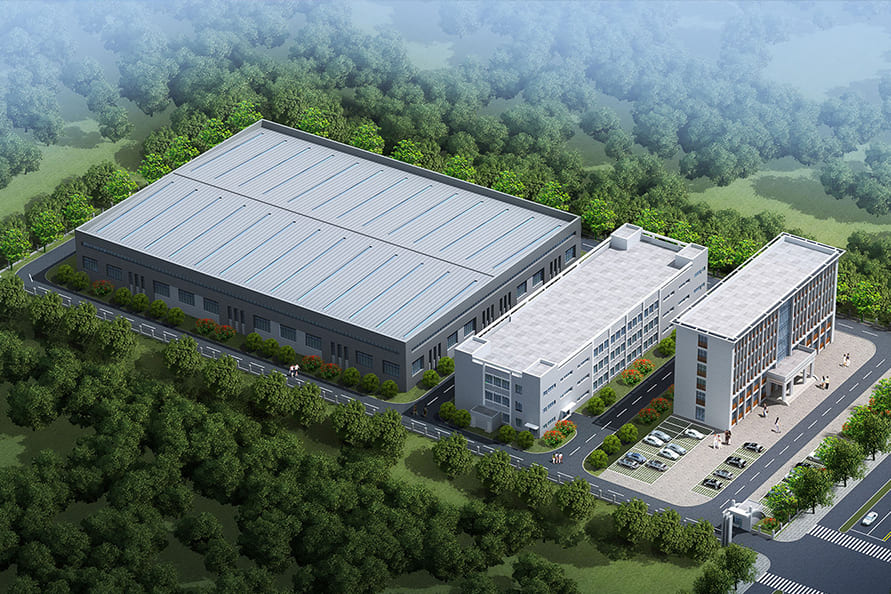
8700m² advanced factory
15 high-tech professionals
Annual production: 2.4 million sets
Rigorous quality protocols ensure high-speed bearing reliability and thermal stability.
Advanced thermal modeling simulates bearing temperature at intended operating speed. Radial clearance, lubrication quantity, and cooling design are optimized based on simulation results before manufacturing begins.
Five-stage grinding and polishing process achieves Ra 0.08µm surface finish on raceways. Bore and OD tolerances maintained within ±0.003mm through real-time measurement verification during manufacturing.
All bearings tested at 1.2x intended speed for 100+ hours with continuous temperature and vibration monitoring to validate thermal management and performance specifications.
Comprehensive testing protocols for extreme velocity bearing validation.
Bearings operated at 1.2x intended RPM for 100+ hours with thermal imaging monitoring bearing housing temperature to validate thermal management and predict steady-state operating temperature.
Accelerometers measure bearing vibration across full speed range with FFT analysis to confirm Z1/Z2 noise classification and identify vibration anomalies from manufacturing defects.
Profilometer measurement at 12 points per bearing raceway verifies Ra 0.08µm specification essential for low-friction high-speed operation.
CMM equipment confirms bore diameter, outer diameter, width, and roundness within ±0.003mm P4 precision grade specification for each bearing.
Precision measurement of internal radial clearance ensures optimal ball-raceway contact for high-speed operation without internal slip or excessive contact stress.
Oil analysis and particle counting verify grease distribution and confirm absence of surface-to-surface contact during high-speed operation under test conditions.
Understand when high-speed bearings are necessary for equipment performance.
| Feature | Standard Motor Bearing | High-Speed Grade (Our Grade) |
|---|---|---|
| Speed Rating | Up to 10,000 RPM | 15,000-30,000 RPM (ceramic: 50,000+) |
| Surface Finish | Ra 0.15-0.20µm | Ra 0.08µm (Ultra-smooth) |
| Precision Grade | P5, P6 | P4 (ABEC-7) |
| Friction Loss | 2-4% at rated speed | 0.5-1.5% (60% lower) |
| Operating Temperature Rise | 40-60°C above ambient | 20-40°C above ambient |
| Cost Multiplier | 1.0x (baseline) | 1.80-2.50x |

We provide full-process customization services from product design, material selection, sample making to mass production to meet customers' special specifications and functional requirements.

With an advanced production base of 8,700 square meters and rich technical experience, we are able to respond quickly to customer needs, whether it is small batch customization or large-scale mass production.

We strictly follow the GB/T 19001-2016/ISO9001:2015 quality management system. Each customized product undergoes strict quality inspection to ensure that it meets the high standards of customers.

Our internal technical team consists of experienced engineers and designers who can provide professional technical support to help you optimize product design and improve production efficiency.

We have a stable supply chain and sales network around the world to ensure that your products can enter the market quickly and receive timely after-sales service.
High-speed motor bearings for specialized equipment require advanced engineering and thermal optimization. We provide end-to-end customization from speed analysis to bearing design to performance validation.
Products
CONTACT Us
Mobile Site
Copyright© Zhejiang Yingfei Biotechnology Co., Ltd. All Rights Reserved
 Wholesale High Speed Motor Grade Bearings Manufacturers