
 0
0

 English
 Español
 中文简体
中文简体 عربى
عربى
Industry News

Submit
Submit feedback
How Do Polyurethane Bearings Perform in Abrasive Environments
2026-04-13
Polyurethane bearings are widely used in various industrial environments due to their excellent physical properties. In abrasive environments, polyurethane bearings demonstrate their unique advantages. Compared to traditional metal or plastic bearings, polyurethane bearings excel in wear resistance, shock absorption, and corrosion resistance, allowing them to maintain stable performance even in harsh operating conditions. This article will explore in detail the performance of polyurethane bearings in abrasive environments and why they are an ideal choice.
Wear Resistance of Polyurethane Bearings
One of the significant advantages of polyurethane materials is their excellent wear resistance. Polyurethane has a high hardness and elasticity, which allows it to withstand a certain level of abrasion when in contact with other hard objects without easily getting damaged. In abrasive environments, polyurethane bearings effectively reduce friction and wear, extending the service life of the bearings.
Compared to metal bearings, polyurethane bearings have a lower surface friction coefficient, which means they can better withstand wear under high loads or high-speed operations. When compared to other plastic materials like nylon, polyurethane shows superior wear resistance, making it a better choice for industrial applications that require long-term wear resistance.
Shock Absorption of Polyurethane Bearings
In abrasive environments, equipment is often exposed to shocks and vibrations, especially during high-load and high-speed operations. The vibrations and shocks can accelerate wear. Polyurethane bearings perform excellently in such environments due to their elasticity and shock-absorbing properties. Polyurethane can effectively absorb and disperse shock forces in mechanical systems, reducing damage to bearings caused by vibrations and thus lowering friction and extending the lifespan of the bearings.
In some industrial applications such as mining and construction machinery, equipment often operates in environments full of intense vibrations and shocks. The shock absorption capabilities of polyurethane bearings effectively reduce the noise and vibrations during operation, improving the stability of the equipment and ensuring smooth production processes.
Corrosion Resistance of Polyurethane Bearings
In addition to wear resistance and shock absorption, polyurethane bearings also offer certain advantages in terms of corrosion resistance. Many abrasive environments involve not only physical abrasion but also chemical corrosion, such as contact with acidic or alkaline liquids, oils, and solvents. Polyurethane materials have good chemical stability, making them resistant to most chemical substances, especially water, oils, and solvents. This superior corrosion resistance ensures that polyurethane bearings can operate reliably even in harsh chemical environments.
This feature makes polyurethane bearings particularly suitable for industries like chemicals, food processing, and pharmaceuticals, where bearings must not only withstand wear but also operate in environments with corrosive substances. The corrosion resistance of polyurethane bearings ensures the stability of the equipment, avoiding failure or high repair costs due to corrosion.
Self-Lubricating Properties of Polyurethane Bearings
In some abrasive environments, lack of lubrication can lead to excessive wear on bearings and accelerate equipment failure. Polyurethane bearings often possess self-lubricating properties, meaning they can maintain good working conditions without external lubrication. The molecular structure of polyurethane allows it to form a thin lubricating film on the bearing surface, reducing friction and wear.
The self-lubricating property ensures that polyurethane bearings can operate smoothly in environments where external lubricants are difficult to apply. For example, in high-temperature, dusty, or humid environments, polyurethane bearings can continue to function efficiently without regular oiling or lubrication, significantly reducing maintenance costs and downtime.
Applications of Polyurethane Bearings in Different Industries
Due to their excellent performance, polyurethane bearings are widely used across various industrial fields, particularly in abrasive environments. They are commonly applied in industries such as mining, construction, steel manufacturing, and food processing. Here are some typical applications:
- Mining Equipment: Mining crushers, conveyors, and other machinery operate in high-load, abrasive environments. Polyurethane bearings' wear resistance and shock absorption capabilities effectively extend the life of the equipment.
- Construction Machinery: Excavators, bulldozers, and other construction machinery work in environments full of vibrations and heavy wear. Polyurethane bearings ensure the stability and efficient operation of the equipment.
- Food Processing: In food production, equipment is often exposed to humid and corrosive environments. Polyurethane bearings' corrosion resistance and self-lubricating properties make them an ideal choice for these applications.
Maintenance and Replacement of Polyurethane Bearings
Although polyurethane bearings perform excellently in abrasive environments, regular inspection and appropriate maintenance are still essential. To ensure polyurethane bearings remain in good condition in harsh environments, it is recommended to regularly check the wear condition of the bearings, particularly in high-load, high-speed applications. While polyurethane has self-lubricating properties, it may still require periodic lubrication in extreme environments to maintain optimal performance.
recommend products
-
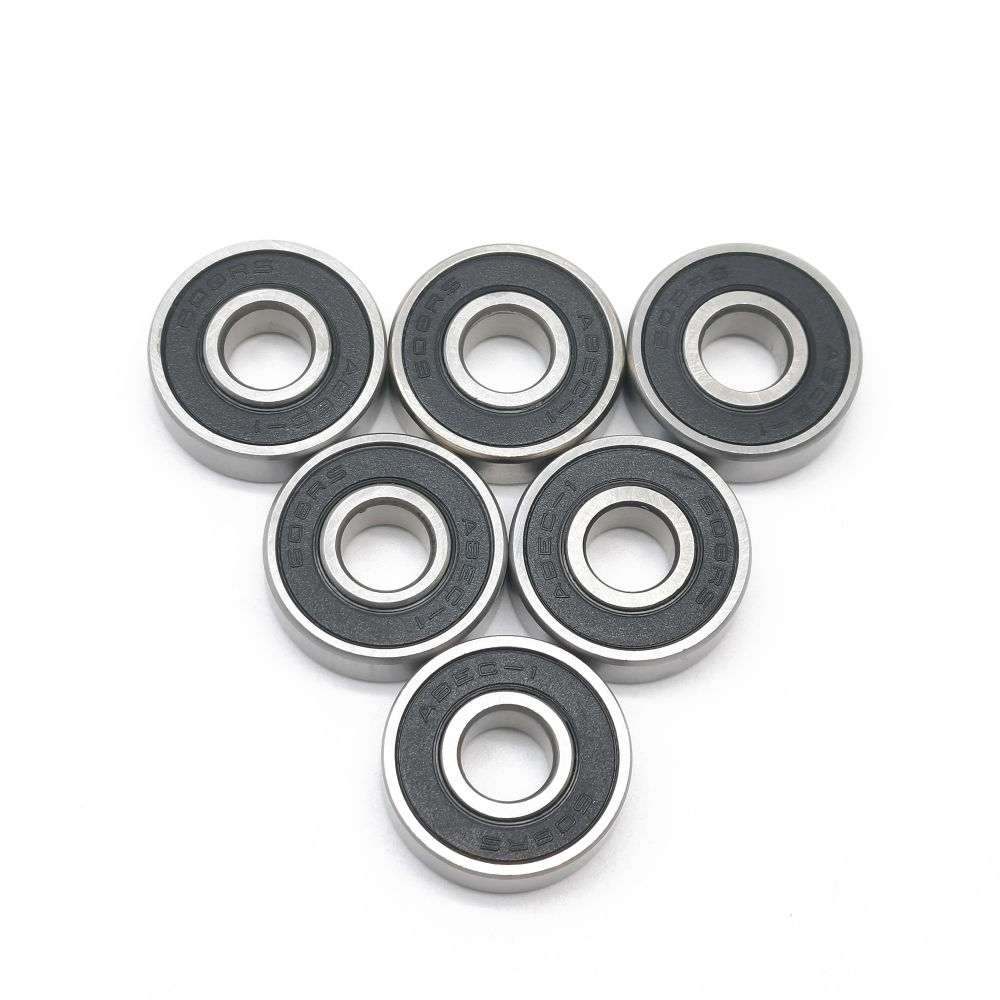


608RS Chrome steel Double Rubber Sealed Deep Groove Ball Bearings
-
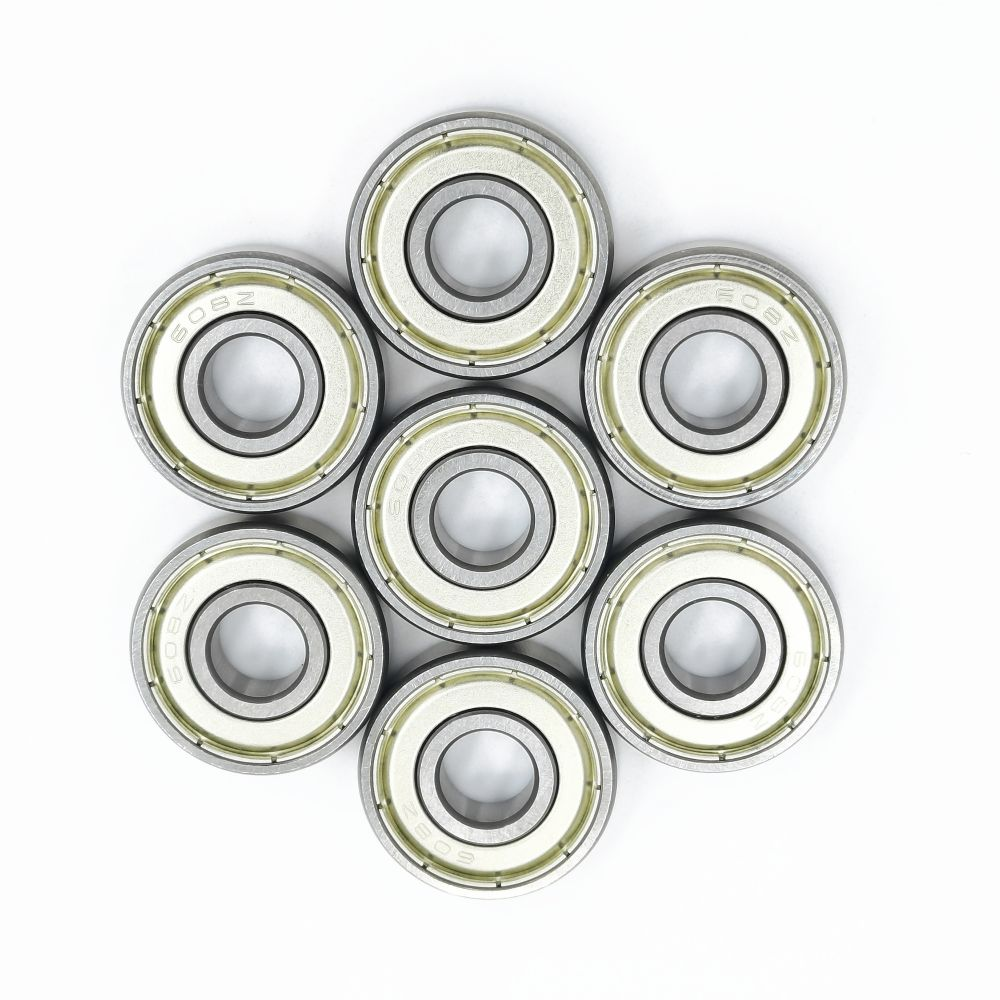
608ZZ Single column Double Iron Sealed Deep Groove Ball Bearing
-
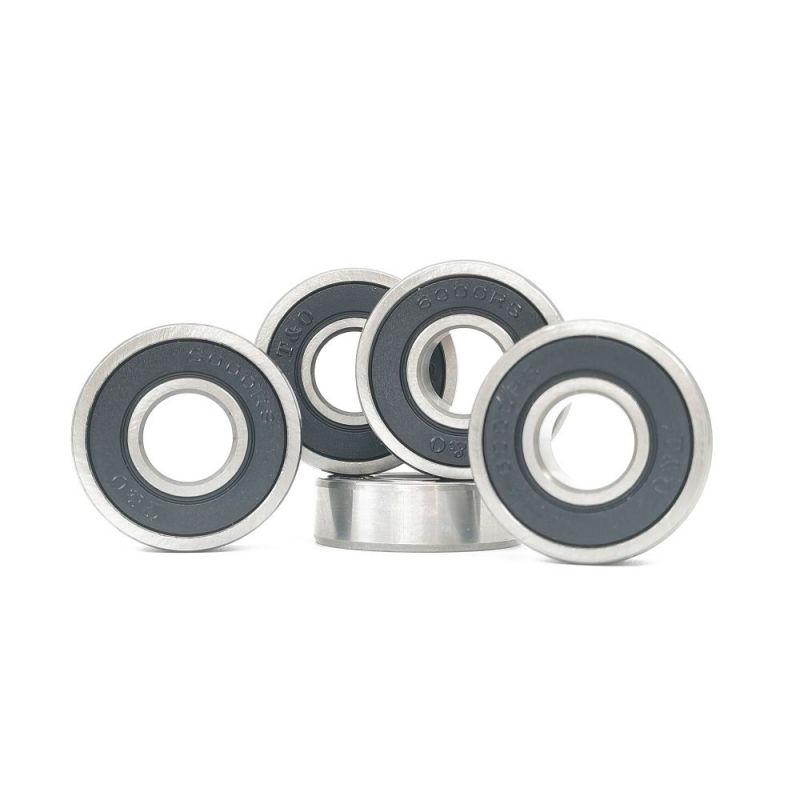
6000RS Carbon steel Double Rubber Sealed Deep Groove Ball Bearings
-
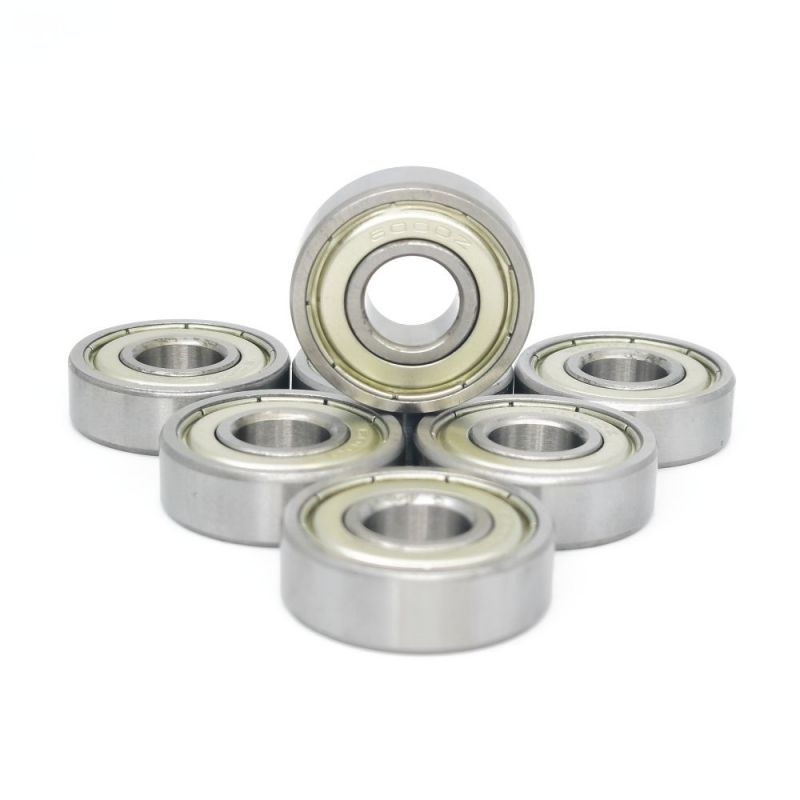
6000ZZ Grease Lubrication Double Iron Sealed Deep Groove Ball Bearing
-
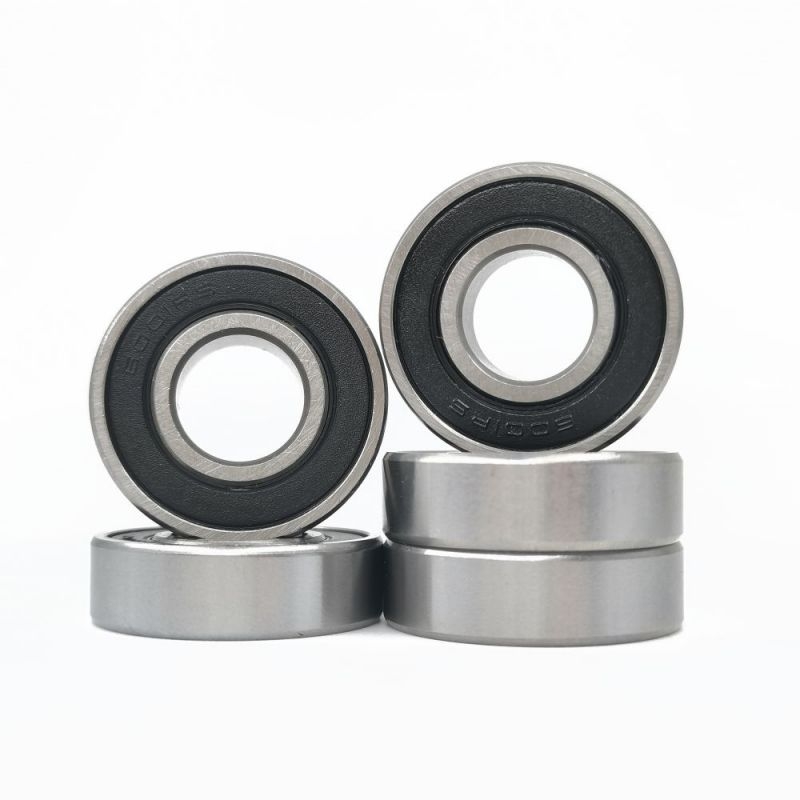
6001RS Double Rubber Sealed Deep Groove Ball Bearings For Motorcycles


Products
CONTACT Us
+86-13362474260 +86-0574-63322565
No. 98 Xinlang Road, Langxia Street, Yuyao City, Zhejiang Province, China
Mobile Site
Copyright© Zhejiang Yingfei Biotechnology Co., Ltd. All Rights Reserved
 Wholesale Motorcycles/Cars Vehicles Bearing Source Factory